Install Microplastic Filters for Safer Home Drinking Water
Clean drinking water supports daily household needs. Growing concerns about microplastics in tap water prompt many homeowners to evaluate supply safety. Microplastics consist of plastic fragments smaller than five millimeters that originate from fabrics, packaging, and plumbing. A dedicated microplastic filter reduces particle exposure and supports family health. This guide covers filter operation, pricing factors, and installation options.
Understanding Microplastic Filter Costs
Filter expenses vary with system type, home size, and installation method. Homeowners compare options to match budgets with performance needs.
DIY Installation Costs
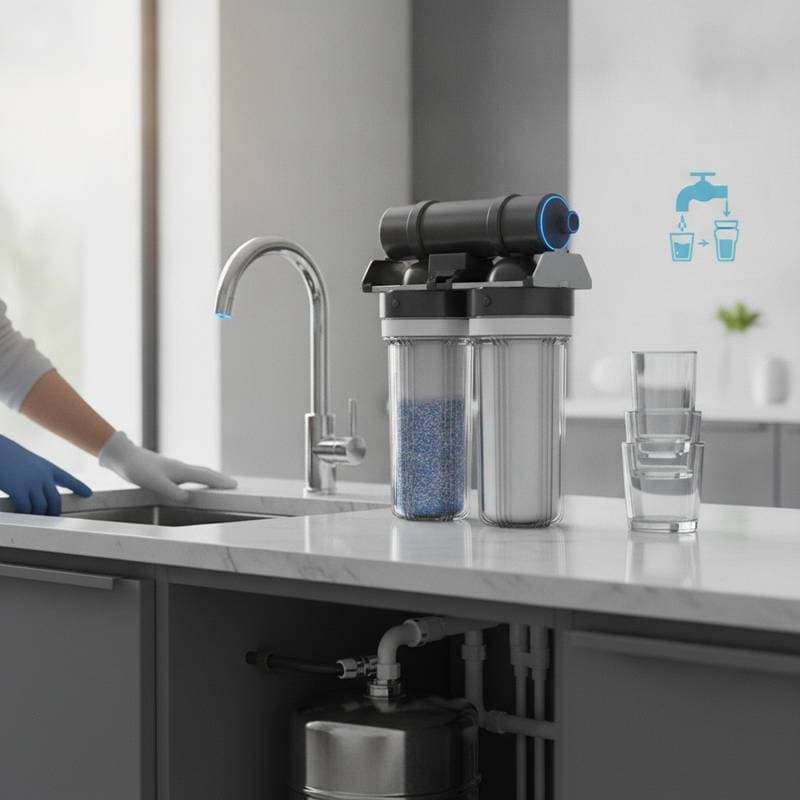
Basic plumbing skills allow a cost-effective approach. Countertop and under-sink units that target microplastics range from one hundred to four hundred dollars. Replacement cartridges add recurring expense every three to six months. Whole-house units require several hundred dollars for equipment plus fittings and piping. Errors during self-installation can produce leaks or pressure loss that require later repairs.
Professional Installation Costs
Licensed plumbers deliver verified connections and system testing. Labor and materials typically add two hundred to six hundred dollars beyond equipment price. Many packages include pre-installation water assessment and initial maintenance instructions.
Factors Influencing Price
Several variables determine final cost.
- Source water quality and measured contamination levels
- Filter technology such as carbon blocks, ultrafiltration membranes, or reverse osmosis
- Coverage scope from single faucet to whole-house models
- Replacement interval and cartridge pricing
- Regional labor rates and plumbing access
DIY work lowers immediate outlay while professional service supports consistent results over time.
DIY versus Professional Installation
Selection depends on plumbing experience and long-term reliability goals.
DIY Approach
Advantages include lower upfront cost and schedule control. Potential drawbacks involve leak risks, possible warranty issues, and time required for careful execution. Follow all manufacturer torque specifications and pressure-test every joint before daily use.
Professional Approach
Advantages include workmanship guarantees, expert system recommendations, and efficient completion. Drawbacks center on higher initial fees and the need to schedule service. Professionals manage complex multi-stage units and verify performance through before-and-after sampling.
Safety and Timing Factors
Incorrect connections can introduce contamination or cause water damage. Professionals carry insurance that covers such incidents. DIY projects often require several hours plus follow-up adjustments after the first test cycle.
Common Questions About Microplastic Filters
How do these filters capture particles?
Fine membranes and layered media trap plastics smaller than one micron. Some models combine activated carbon with membrane stages for broader contaminant removal.
Which filters reliably reduce microplastics?
Only units rated for sub-micron particle reduction perform this task. Standard carbon filters improve taste yet leave microplastics in the flow.
How frequently must cartridges be changed?
Most systems require replacement every three to six months based on household volume and source quality. Manufacturer schedules provide the precise interval.
Will a filter reduce water pressure?
A loaded cartridge can restrict flow. Scheduled maintenance restores normal pressure.
Are whole-house systems a sound investment?
Whole-house units protect every tap, shower, and appliance from microplastic passage when comprehensive coverage matters.
Is filtered water suitable for cooking?
Filtered water lowers microplastic intake during food preparation, coffee brewing, and tea making.
Do these filters address additional contaminants?
Quality systems also reduce chlorine, sediment, and certain metals while improving taste.
What routine maintenance is required?
Tasks include cartridge changes, housing cleaning, and seal inspections. A written service log prevents missed intervals.
Are permits necessary?
Point-of-use units rarely need permits. Whole-house installations may require approval when extensive pipe alterations occur.
What questions should homeowners ask installers?
Inquire about prior microplastic projects, warranty coverage, and post-installation verification testing.
Step-by-Step Decision Process
- Obtain a water test that quantifies microplastic levels and other contaminants.
- Define coverage goals for single-tap or whole-home protection.
- Compare filtration capacities, maintenance demands, and total ownership costs.
- Assess personal plumbing skills before choosing self-installation.
- Collect detailed quotes from licensed professionals when needed.
- Establish a replacement calendar before system activation.
Preparing the Installation Site
Clear access to supply lines and shut-off valves before work begins. Verify available space for the chosen unit and confirm electrical requirements for any booster pumps. Gather manufacturer-specified tools and replacement seals in advance.
Ongoing System Care
Monitor clarity and taste weekly. Replace cartridges on schedule and inspect seals during each service. Record every maintenance action to track performance trends. A properly maintained unit continues to limit microplastic exposure for years while preserving household water quality.