Fall Roof Moss Prevention: Pro Methods Versus DIY Savings
When the leaves start falling and moisture levels rise, moss growth becomes a hidden threat to your roof. Moss might look harmless, but it holds water, weakens shingles, and shortens the lifespan of your roof. For homeowners, the key question is whether to handle moss prevention as a do it yourself project or hire professionals for lasting results.
Understanding Roof Moss Prevention Costs
Roof moss prevention costs vary widely depending on your roof size, condition, and the method used. The choice between professional treatment and DIY application depends on your comfort level, access to proper equipment, and willingness to perform ongoing maintenance.
DIY Costs
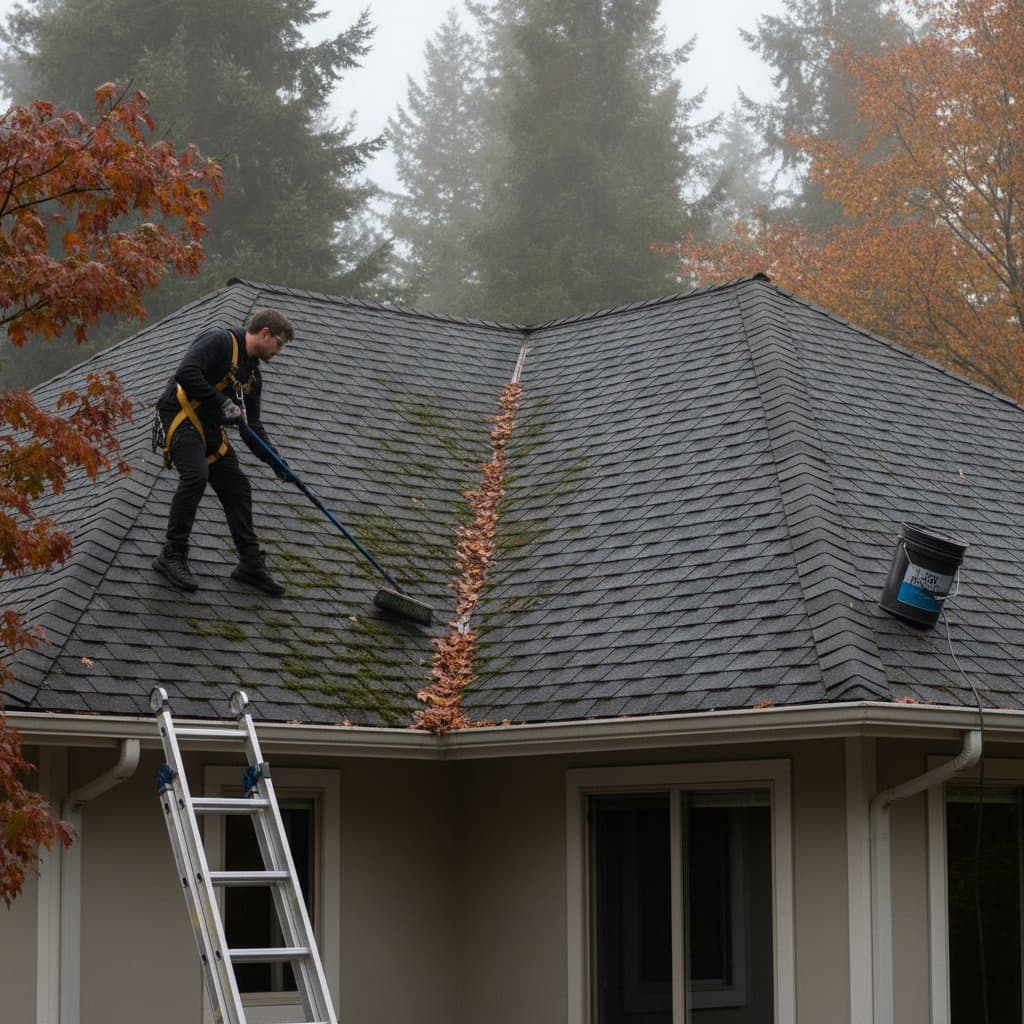
If you go the DIY route, you will need cleaning supplies, safety gear, and moss control products. Typical expenses include a moss removal brush or sprayer at moderate cost for quality equipment, a cleaning solution or zinc based moss killer at low to moderate cost per bottle, and safety ladder and harness as a one time investment if you do not already own them.
In total, DIY moss prevention might cost anywhere from a small fraction of professional rates to a few hundred dollars. The main trade off is time and effort. You will also need to repeat treatment regularly to keep moss from returning.
Professional Service Costs
Professional moss prevention typically costs more upfront but often includes a complete cleaning, treatment, and protective application. Costs depend on roof pitch, accessibility, and severity of moss buildup. Professionals use specialized equipment and commercial grade cleaners that are more effective and longer lasting.
Factors That Affect Pricing
- Roof size and slope. Steeper roofs require extra safety equipment and more time.
- Moss density. Heavy buildup demands deeper cleaning and stronger treatments.
- Location. Humid or shaded areas often need more frequent maintenance.
- Material type. Asphalt shingles, tile, and metal roofs each require different care products.
DIY might save money short term, but improper cleaning can damage shingles or void roof warranties. Professionals often guarantee their work, adding long term value.
DIY Versus Professional: Making the Right Choice
Choosing between DIY and professional moss prevention depends on your comfort level with roof work, your budget, and the condition of your roof.
Benefits of DIY
Lower upfront cost, flexible scheduling, and opportunity to learn basic maintenance stand out as advantages. DIY works best for newer roofs with minimal moss growth. Always use safety gear and avoid power washing, which can dislodge shingles.
Drawbacks of DIY
Risk of falls or injuries, limited effectiveness if not done correctly, and shorter lasting results requiring frequent reapplication represent the main concerns.
Benefits of Professional Service
Thorough cleaning and treatment, use of eco safe and roof specific solutions, and a safer process with experienced technicians provide clear value. Professionals can also inspect for hidden damage while performing maintenance, which helps prevent leaks and structural problems later.
Drawbacks of Professional Service
Higher initial cost and need to schedule around service availability are the primary limitations. Still, many homeowners find the investment worthwhile for safety and durability.
Your Roof Moss Questions, Answered
How often should I treat my roof for moss? Once every one to two years is typical, though shaded or damp areas may need yearly treatments.
Can I use household bleach for moss removal? Avoid it. Bleach can discolor shingles and damage nearby plants. Choose a roof safe moss cleaner.
Do professionals clean gutters during moss removal? Many include gutter clearing as part of a complete service, ensuring proper drainage after treatment.
Will moss prevention products harm plants? Professional grade solutions are usually biodegradable and safe when applied correctly. Cover nearby plants during application for extra protection.
Is prevention different from removal? Yes. Removal clears existing moss, while prevention applies protective treatments to stop regrowth.
Do I need a permit for roof cleaning? Most residential moss prevention does not require a permit, but local regulations may differ.
Can metal strips prevent moss? Yes. Zinc or copper strips near the roof ridge release minerals that inhibit moss growth.
How long do professional treatments last? Most last two to three years when applied to a clean surface in suitable weather conditions.
Preparing for Your Roof Moss Project
- Inspect your roof. Look for dark streaks, green patches, or lifting shingles.
- Clean gutters and downspouts. Remove leaves and debris before applying treatments.
- Gather your supplies. Choose eco friendly, roof safe products and sturdy gear.
- Check the weather. Pick a dry, mild day for application.
- Plan for follow up. Schedule regular inspections each fall to stay ahead of moss growth.
Maintaining Your Roof Through Fall and Beyond
Preventing moss growth is not a one time task but an ongoing part of roof care. Regular inspections, timely cleaning, and protective treatments keep your roof strong and attractive. Consistent attention protects your investment and maintains home value over time.