Monthly HVAC Filter Changes: Why 2026 Standards Shifted
Homeowners have long known that changing an HVAC filter helps keep air clean and systems efficient. Yet the newest standards have raised questions about how often those filters should be replaced and why old schedules are no longer reliable. The 2026 shift in HVAC filter standards changed expectations for both performance and safety, urging more frequent monthly replacements in many homes. The reasons go beyond cleaner air. They touch on energy efficiency, public health, and how modern HVAC systems respond to new environmental conditions.
The Reason Behind the New Filter Standards
The latest guidelines were introduced after research showed that indoor air quality directly affects respiratory health, energy use, and long-term equipment performance. The Environmental Systems Research Institute found that clogged filters can reduce airflow efficiency by up to 30 percent, forcing units to consume more electricity for the same output. That inefficiency can lead to premature wear on compressors and blowers, a costly issue for homeowners.
More advanced HVAC systems now use tighter filtration, such as MERV 13 or higher. These filters capture smaller particles including smoke, pet dander, and fine dust. While they improve air quality, they also restrict airflow faster than older filters did. This means the once-common three-month replacement rule no longer fits the needs of newer systems. The 2026 standards reflect this reality by recommending monthly inspection and, in many cases, monthly replacement.
What Changed Inside Modern Filters
Modern filters are engineered differently than those produced a decade ago. They use layered synthetic fibers instead of simple fiberglass mats. These materials trap more debris with less resistance at first, but as particles accumulate, the fibers become clogged quickly. Advanced filters also carry electrostatic charges that attract airborne contaminants like pollen and smoke. Once those fibers reach capacity, performance drops sharply.
Experts from the Home Ventilation Council said that “filters designed for high-efficiency capture simply fill up faster than traditional models.” The science behind them is sound, but the maintenance schedule must match the technology. Ignoring this leads to restricted airflow, frozen coils, or even system shutdowns during peak demand.
Effects on Energy Use and Bills
Dirty filters make HVAC systems work harder to push air through restricted passages. That extra effort increases electricity use. The U.S. Energy Management Institute found that replacing filters monthly can cut household energy consumption by up to 15 percent compared to quarterly changes. For a typical central air system, that can translate into meaningful savings over the course of a year.
When filters are clogged, air bypasses them through small leaks or gaps. This reduces filtration effectiveness, allowing dust to settle inside ducts and coils. Cleaning those components later can cost several hundred dollars, adding unnecessary expense. Monthly filter changes prevent that buildup and keep ducts cleaner for longer.
Health and Air Quality Considerations
The 2026 standards were also shaped by growing awareness of indoor air pollution. People spend most of their time indoors, where concentrations of dust, bacteria, and volatile organic compounds can be several times higher than outdoors. A clean filter acts as the first line of defense against these pollutants.
A study shared by the Indoor Health Foundation reported that households maintaining monthly filter replacements saw up to a 40 percent reduction in airborne particulate levels. Families with children, elderly residents, or anyone with allergies benefit most. Cleaner air also helps limit the spread of viruses that travel through HVAC systems in shared spaces such as apartments or offices.
How the Standards Affect Homeowners and Service Providers
For homeowners, the change means building new habits. Monthly replacement may sound frequent, but it aligns with how modern systems are built. Many filters are now sold in multi-packs designed for this schedule, reducing cost per unit. Subscription delivery programs from brands like FilterBuy and Second Nature have made it easier to stay consistent without manual tracking.
Service providers have also adapted. Technicians now emphasize filter education during annual tune-ups. Some contractors include filter reminders or replacement services in maintenance agreements. According to a survey by HVAC Trade Insights, 68 percent of service companies reported fewer emergency calls from clients who followed monthly change schedules. That statistic highlights how preventive maintenance saves both time and money.
Step-by-Step Guide to Monthly Filter Replacement
Replacing a filter is simple, but doing it correctly keeps your system running smoothly. Follow these steps each month:
- Turn off the system. Always power down the HVAC unit before removing a filter to prevent debris from being drawn into the blower.
- Locate the filter slot. This is usually near the return air duct or furnace compartment.
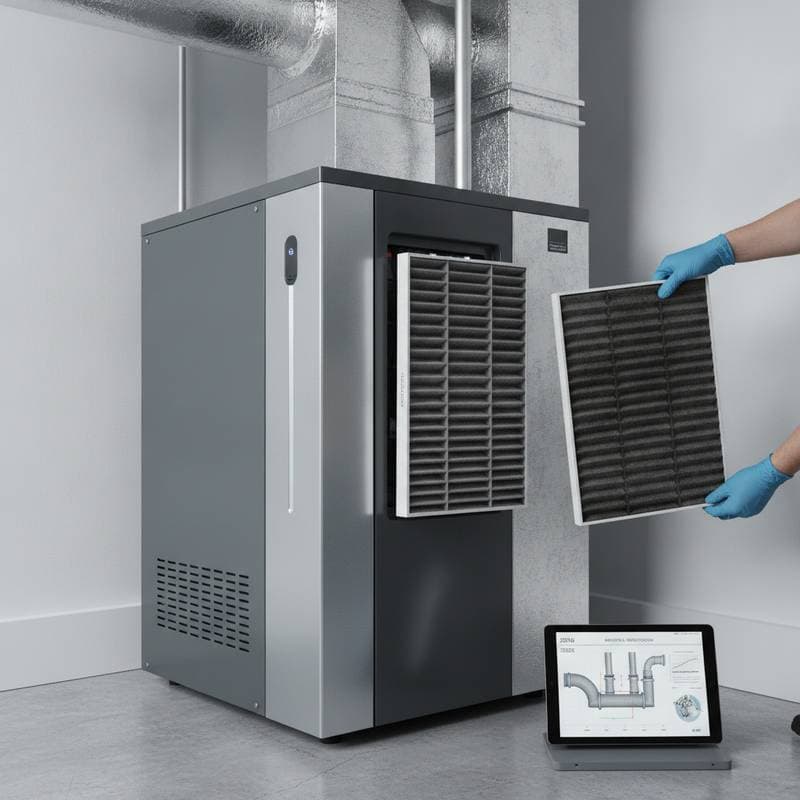
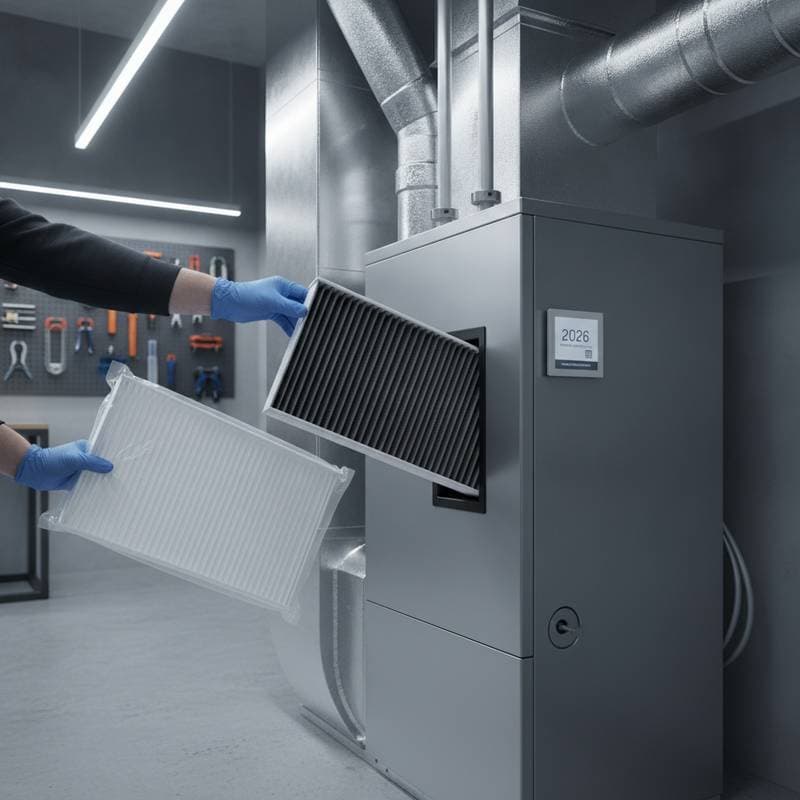
- Remove the old filter. Check for dust buildup and note the direction of airflow arrows printed on the frame.
- Inspect for excess dust. If the filter looks heavily coated or discolored, it confirms the need for timely replacement.
- Insert the new filter. Make sure it fits snugly and that arrows point toward the blower motor.
- Record the date. Mark a calendar or use a phone reminder to track the next change.
- Turn the system back on. Listen for steady airflow. If the system sounds strained, check for incorrect filter sizing or installation.
Following these steps helps maintain consistent air circulation and protects the system from unnecessary strain.
Common Mistakes to Avoid
Many homeowners assume thicker filters last longer, but thicker is not always better. An oversized filter can block airflow and reduce efficiency. Another mistake is using the wrong MERV rating. While higher ratings capture finer particles, they may restrict airflow if the system is not designed for them. Always match the filter grade to the manufacturer’s specifications.
Neglecting to replace filters during mild seasons is another issue. Even when heating or cooling demand is low, air still circulates through the system. Dust, pollen, and pet hair continue to collect, especially in homes with high occupancy or pets. Keeping a consistent schedule throughout the year ensures stable performance.
Professional Insights on the 2026 Shift
Industry experts agree that the updated recommendations reflect the growing complexity of HVAC technology. As systems become more efficient and air-tight, filter performance becomes critical to maintaining balance. Energy consultant Laura Kim said, “The new standard recognizes that cleaner air and better energy use go hand in hand. Frequent filter changes are a small step with a big payoff.”
Manufacturers also adjusted their warranty terms to match these expectations. Some now require proof of regular filter changes to keep warranties valid. This policy encourages homeowners to treat filter maintenance as part of system care rather than an afterthought.
Long-Term Benefits
Following the new monthly replacement schedule extends system life, improves comfort, and protects indoor air quality. Over time, consistent maintenance reduces wear on motors and coils, keeping temperature control even throughout the home. That stability lowers repair frequency and helps maintain property value.
For families, the health benefits are just as important. Cleaner air supports better sleep, fewer allergy symptoms, and improved respiratory comfort.
Maintaining Your Investment
Adjusting to the new HVAC filter standards might feel like one more task on the to-do list, but it directly safeguards both your comfort and your wallet. Monthly replacement keeps energy costs lower, prevents breakdowns, and ensures your system meets the latest efficiency goals. Treat your filters as essential parts of your home’s wellbeing, not as disposable afterthoughts.