Fall HVAC Filter Schedule for Better Air Quality
When cooler weather arrives, homeowners shift attention to heating. Air quality still depends on more than temperature. A timely filter change keeps the system efficient, lowers allergens, and prevents buildup that shortens equipment life. Many people notice faster dust accumulation or stuffy air before they act. A seasonal plan maintains steady airflow and healthier conditions throughout the year.
Why Fall Maintenance Matters
Fall brings frequent switches between cooling and heating. These changes increase strain on filters. Dust, pollen, and pet dander collect rapidly. A clogged filter forces the system to work harder, raising energy use and creating uneven temperatures.
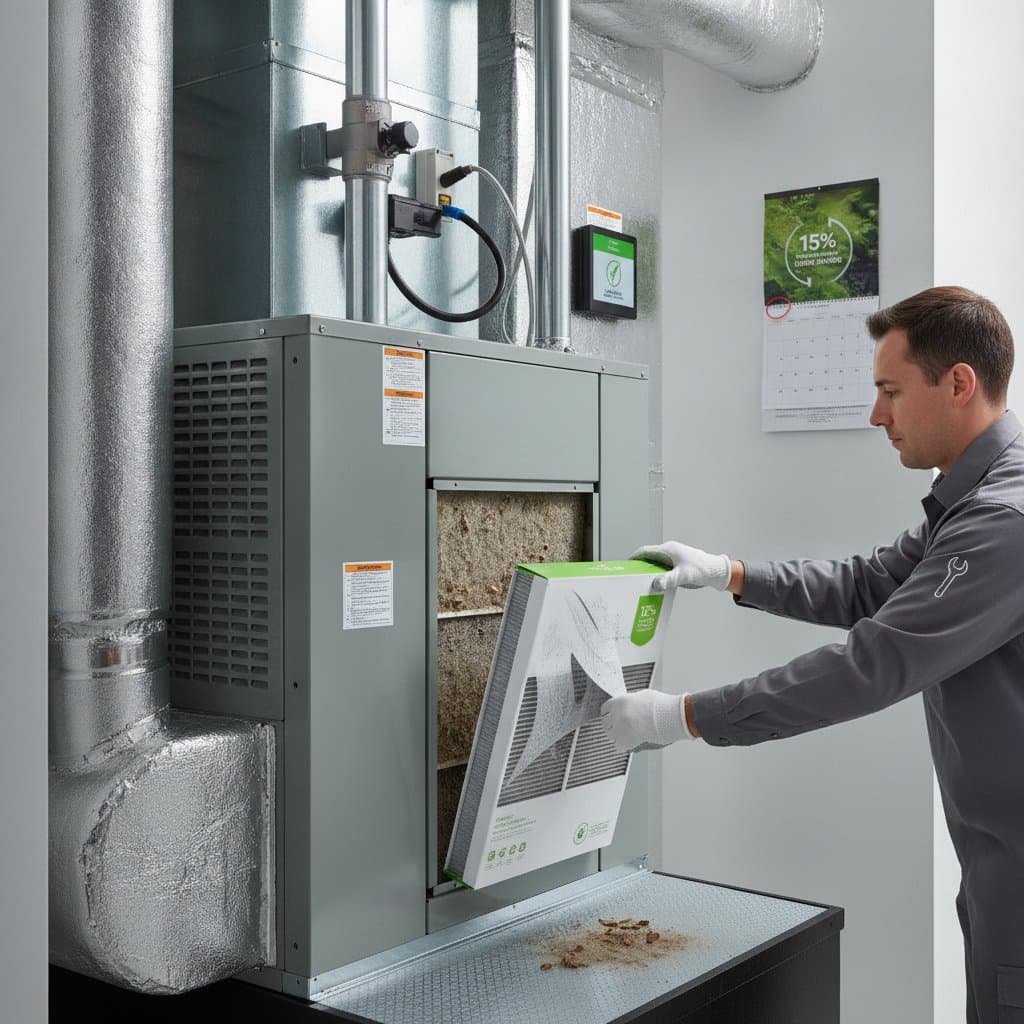
A clogged filter can raise energy consumption by up to 15 percent. Clean filters also shield coils and blowers from damage that leads to repairs. Seasonal resets prevent these issues before winter demand peaks.
Understanding HVAC Filter Types
Filter performance depends on material and rating. Homeowners should match the filter to system capacity.
Common options include:
- Fiberglass filters that capture large particles and require monthly replacement during use.
- Pleated filters that trap smaller debris and last up to three months.
- Electrostatic filters that attract particles and can be washed for reuse.
- High-efficiency filters rated MERV 13 or higher that remove fine particles but may restrict airflow in some systems.
Check the equipment manual before installing a denser filter. Systems not designed for high-efficiency media can suffer reduced performance.
Setting a Fall Filter Schedule
A predictable schedule prevents oversight. Early fall is ideal because summer use has ended and heating season is ahead.
Follow these steps:
- Inspect and replace filters that appear dirty or bent at the start of fall. Clean vents at the same time.
- Check filters again after six weeks. Replace sooner if airflow drops or dust increases.
- Install a fresh fine-particle filter in late fall to handle continuous heating.
Homes with pets or allergies need shorter intervals. Adjust timing based on actual conditions rather than fixed dates.
Tools and Materials You Will Need
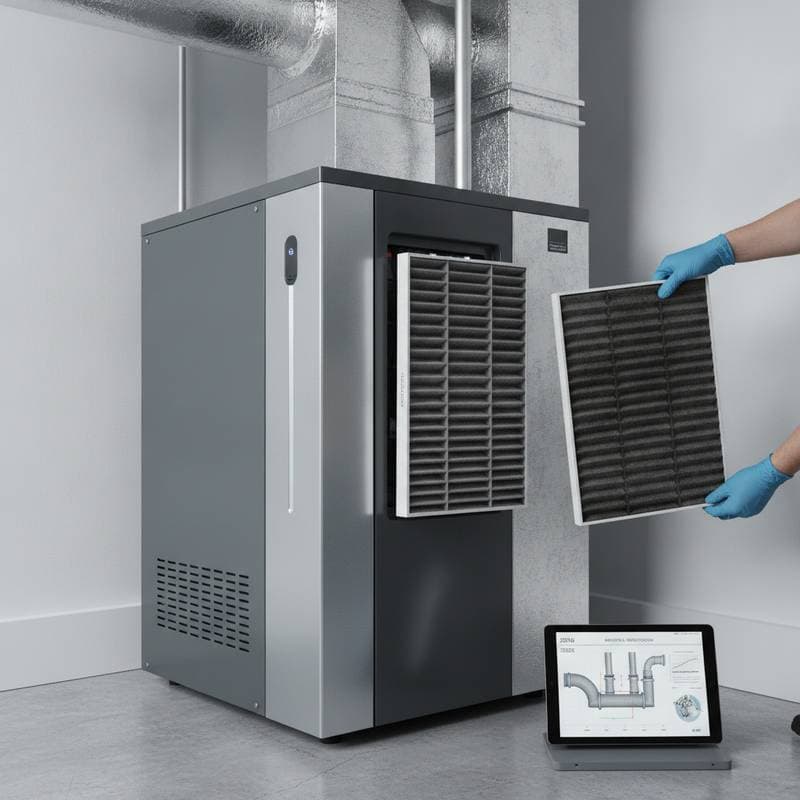
Filter changes require few items. Gather a correctly sized replacement filter, a screwdriver, a vacuum with brush attachment, and a flashlight. Turn the system off before removal. Confirm airflow arrows point in the correct direction on the new filter.
Safety and Indoor Air Quality Tips
Filters form the first defense against poor air. Additional steps improve results.
- Seal gaps around ducts and registers to stop unfiltered air from entering.
- Maintain balanced humidity to discourage mold.
- Vacuum return vents weekly during heavy use.
- Arrange a professional tune-up to verify fans and coils remain clean.
Regular care reduces unexpected breakdowns when temperatures fall.
Balancing DIY and Professional Help
Most filter replacements are straightforward. Call a technician if airflow stays inconsistent after a new filter, odors appear, or utility bills rise. Professionals handle attic units, suspected mold, or complex filtration systems.
Budget Planning and Cost Efficiency
Filters cost little compared with motor repairs caused by neglect. Purchase multi-packs at season start for better pricing. Set calendar reminders or use smart thermostat alerts. Washable electrostatic models cost more initially yet last years with proper cleaning every one to two months.
Seasonal Adjustments Beyond Fall
Spring pollen and summer dust require more frequent changes. Winter dryness stirs fine particles in ducts. Track replacement dates and observed air quality to refine intervals over time.
Protecting Long Term System Performance
Consistent filter care keeps energy costs stable and extends equipment life. Homeowners who follow the routine for several seasons report fewer service calls and cleaner air. One hour of attention each fall supports reliable comfort through every season ahead.