Stay Comfortable: Seasonal HVAC Filter Calendar
Keeping indoor air clean and an HVAC system running efficiently starts with one simple habit. Changing the air filter on a regular schedule protects equipment and supports steady performance. A seasonal HVAC filter calendar helps homeowners stay on track, reduce energy costs, and avoid unnecessary wear.
Why Seasonal Filter Changes Matter
Every HVAC system depends on proper airflow. A filter clogged with dust, pollen, and pet dander forces the system to work harder. Industry data show that a dirty filter can raise energy use by as much as 15 percent. Regular replacement restores free airflow, improves indoor air quality, and reduces the chance of breakdowns.
Clean filters also help maintain consistent humidity and temperature. Homeowners who follow a schedule often notice fewer hot or cold spots. This habit supports both daily comfort and long-term savings.
Factors That Influence Filter Lifespan
Not every home follows the same replacement schedule. Timing depends on several practical factors.
- Filter type and thickness. Basic fiberglass filters often require replacement every month. Pleated filters typically last up to three months. High-efficiency or HEPA filters last longer yet still need regular inspection.
- Household size and activity. Larger families or homes with frequent guests generate more dust and fibers.
- Pets and allergies. Pet hair and dander clog filters quickly and affect air quality.
- Local environment. Dusty regions or areas with high pollen counts shorten filter life. Urban pollution adds another layer of debris.
- System usage. Year-round heating or cooling increases filter loading and calls for more frequent changes.
The Seasonal Filter Replacement Calendar
A clear schedule promotes consistency. The guide below outlines actions for each season.
Winter: Keep Warm Air Flowing
Heating systems run for long periods while windows stay closed. Filters collect more indoor dust during this time.
Replace the filter at the start of the season and inspect it again at the midpoint. Basic filters cost between 10 and 20 dollars. High-efficiency pleated filters range from 30 to 60 dollars. The task requires five minutes and no tools. Write the installation date on the filter frame for quick reference.
Spring: Manage Pollen and Dust
Spring introduces pollen, mold spores, and outdoor dust through open doors and windows. A fresh filter captures these particles before they circulate.
Replace the filter when heavy pollen season begins. Allergy sufferers may upgrade to a filter with a MERV rating between 11 and 13. Mid-range pleated filters cost 25 to 50 dollars. While the filter is out, clean supply and return vents to remove accumulated dust.
Summer: Keep Cooling Systems Efficient
Air conditioners operate continuously in summer. Restricted airflow can freeze coils and lower efficiency.
Replace the filter at the start of the season and check it monthly. Visible dirt calls for immediate replacement. Budget 20 to 40 dollars depending on type. Select a filter rated for humid conditions because moisture can accelerate clogging.
Fall: Prepare for Heating Season
Fall offers a chance to clear summer dust before heating begins. Replace the filter before the furnace starts. Heat-pump users should check filters during the switch from cooling to heating. Filters in this season cost 15 to 35 dollars. Inspect the housing for debris or mold before installing the new filter.
When to Replace Filters More Often
Certain conditions signal the need for earlier replacement. Watch for dust that returns quickly after cleaning, increased allergy symptoms, longer system run times, weak airflow from vents, or musty odors. Early filter changes cost far less than repairs to a strained blower motor or compressor.
DIY versus Professional Maintenance
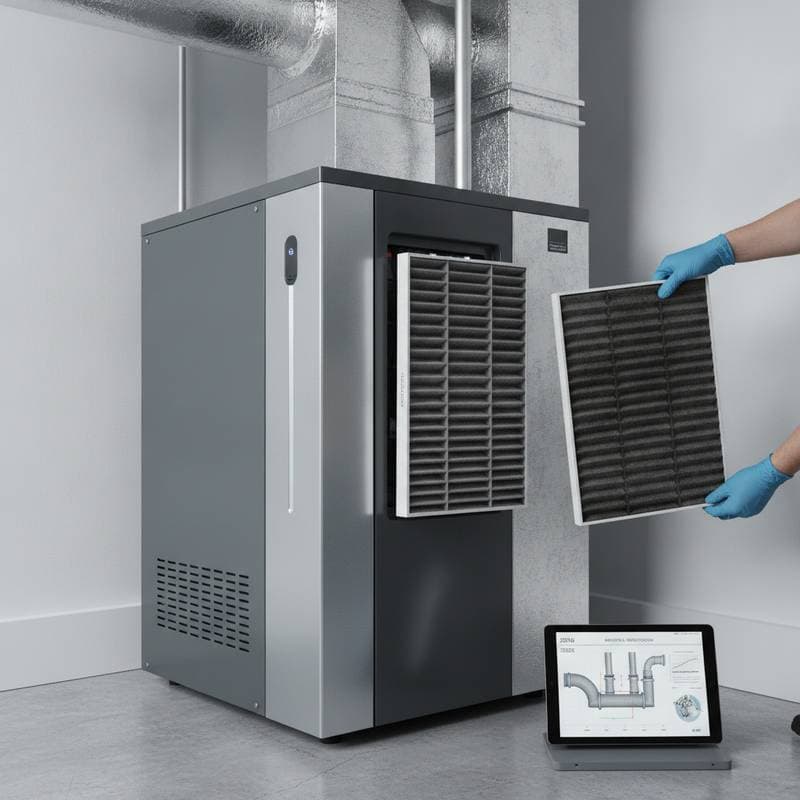
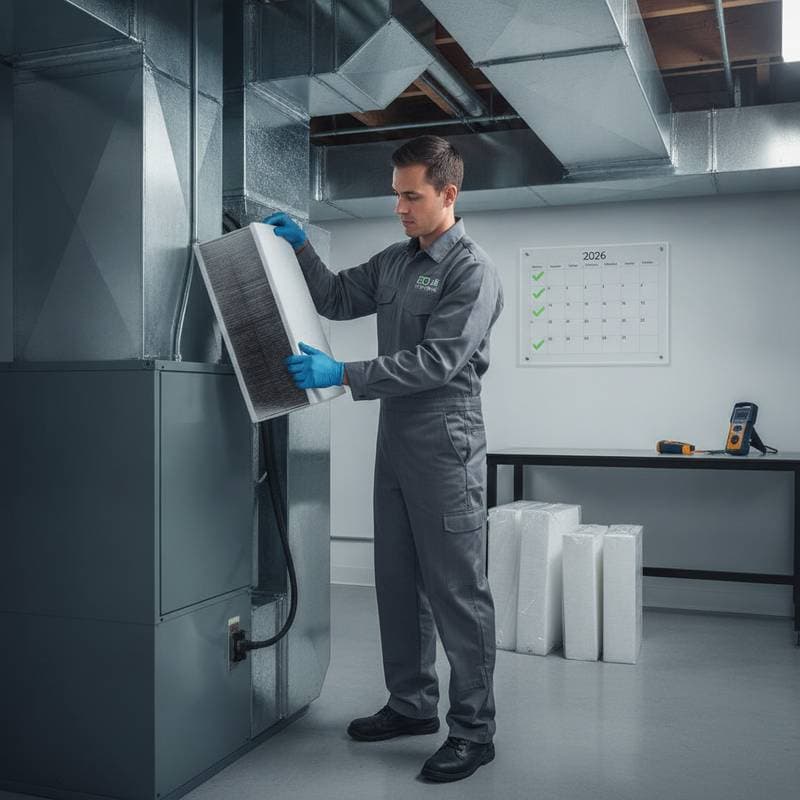
Most homeowners can change filters without assistance. The process involves removing the access panel, sliding out the old filter, matching the airflow arrow, and inserting the new filter. The entire task takes less than ten minutes.
Professional service helps when filters sit in hard-to-reach locations or when filter size and MERV rating remain uncertain. Maintenance plans from HVAC companies often include filter replacement plus coil cleaning and refrigerant checks. A typical visit costs 75 to 150 dollars and can prevent larger repairs.
Extending the Life of Your HVAC System
A consistent filter schedule protects comfort and equipment. Combine filter changes with these additional habits. Vacuum around return air grilles monthly. Keep outdoor condenser units free of leaves and debris. Schedule professional tune-ups each season. Seal gaps around doors and windows. Maintain indoor humidity between 40 and 50 percent.
Maintain Consistent Performance
Treat filter replacement as part of a broader home maintenance plan. Set calendar reminders or use thermostat alerts that track runtime. Keep a small stock of filters on hand so a replacement is never delayed by missing supplies. These steps together support steady efficiency and cleaner air throughout the year.