HVAC Filter Schedule: Seasonal Replacement Guide
Keeping your HVAC system running efficiently depends on one small but crucial component: the air filter. A clean filter traps dust, pollen, pet dander, and other airborne particles before they circulate through your home. When neglected, a clogged filter can strain the blower motor, reduce airflow, and drive up energy use.
The best way to avoid these problems is to follow a consistent seasonal replacement schedule. Many homeowners forget this simple task until their system begins to underperform. A structured plan ensures fresh air, lower utility bills, and fewer repair calls throughout the year.
Understanding Filter Types and Lifespans
Before setting a schedule, know what kind of filter your system uses. Filters vary in material, efficiency, and cost. The most common types include the following options.
- Fiberglass filters are inexpensive and disposable. They typically last 30 days and are suitable for basic dust protection.
- Pleated filters are made of polyester or cotton folds. They capture smaller particles and last about 90 days.
- Electrostatic filters are reusable options that trap particles using static electricity. They can last several years with regular washing.
- HEPA filters capture microscopic particles. These are often used in homes with allergy concerns and require replacement every 6 to 12 months depending on use.
Each type has a MERV rating, which measures its ability to capture particles. Ratings between 8 and 13 are ideal for most residential systems. Higher ratings improve filtration but can restrict airflow if the system is not designed for them.
Variables That Affect Replacement Frequency
Not all homes have the same needs. Several factors influence how often your filter should be changed.
- Pets produce hair and dander that accumulate quickly. This requires monthly replacement in multi-pet homes.
- Allergies or asthma mean households with allergy sufferers benefit from high-efficiency filters replaced more often.
- Smoking introduces tobacco smoke that can clog filters faster and add odors.
- Construction or remodeling generates dust from drywall or sawdust that shortens filter life dramatically.
- Home occupancy affects needs, as a single-person household may only need quarterly changes while a large family may need monthly service.
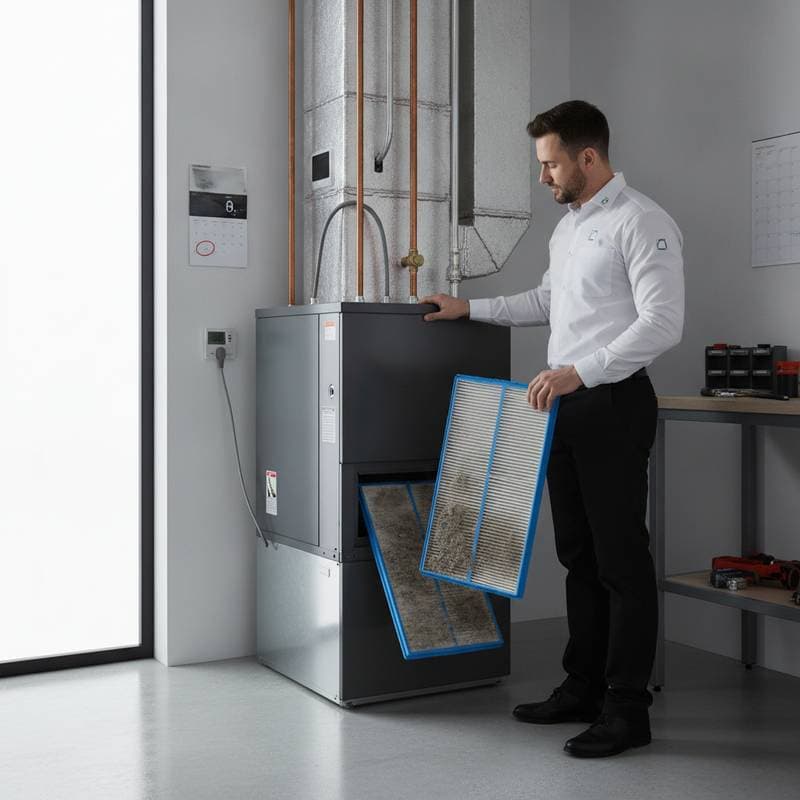
Visual inspection remains the most reliable indicator. If the filter looks dark or clogged, replace it immediately regardless of schedule.
DIY Replacement Steps
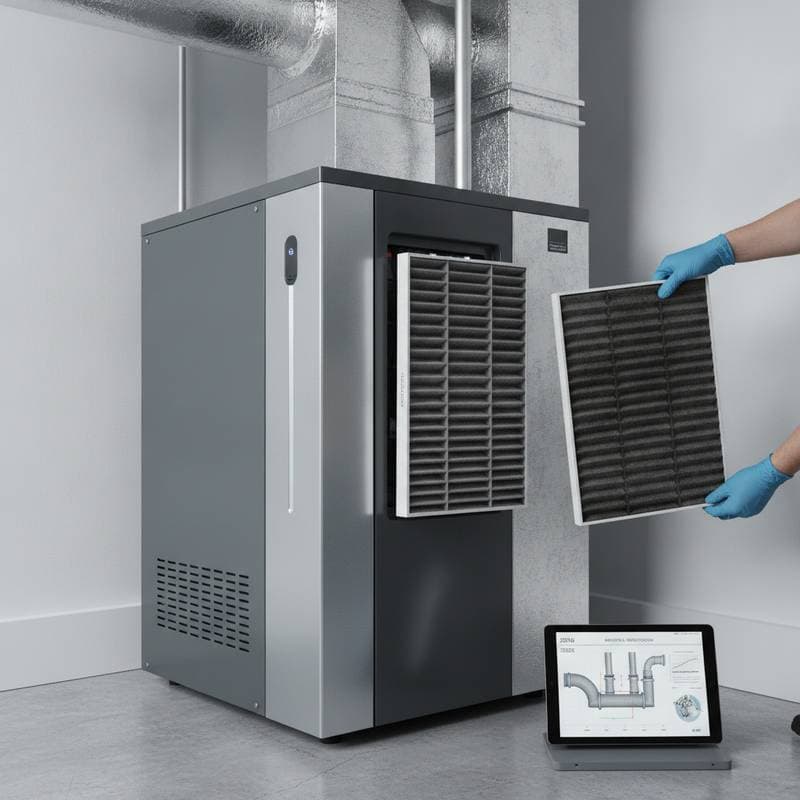
Changing an HVAC filter is an easy task that requires no professional tools. Follow these steps in order.
- Turn off the system to prevent air from drawing in debris.
- Locate the return air vent or filter slot near the blower compartment.
- Remove the old filter and note the airflow direction arrow printed on the frame.
- Insert the new filter with the arrow facing the same direction as airflow.
- Secure the panel or grille and restart the system.
Mark the date on the filter edge or set a reminder on your phone. This simple habit helps maintain a consistent schedule.
Protect Your System Year Round
A consistent HVAC filter schedule is one of the simplest ways to protect home comfort and air quality. Regular replacement reduces energy costs, extends equipment life, and keeps indoor air fresh year-round. Set reminders for each season, keep spare filters on hand, and stay proactive about maintenance.