Beat the Heat: AC Maintenance Checklist for Summer
Homeowners depend on air conditioning systems for comfort as temperatures rise. Many units fail during peak demand because maintenance has been overlooked. A consistent care routine maintains efficiency, limits repair expenses, and prolongs equipment life. The following steps provide a clear path to prepare any system for extended summer operation.
Quick Maintenance Overview
- Replace air filters on a monthly schedule during peak use.
- Clear debris from outdoor coils and ensure proper spacing.
- Verify refrigerant levels through a qualified technician.
- Test thermostat accuracy and consider a programmable upgrade.
- Flush the condensate drain line to prevent clogs.
- Inspect ductwork for leaks and seal minor gaps.
- Arrange an annual professional inspection before heavy use begins.
Importance of Routine Care
An air conditioner operating without regular cleaning loses efficiency as filters clog and coils accumulate dirt. The added workload increases energy consumption and shortens service life. Proper maintenance can improve efficiency by up to 15 percent. Clean components also support better indoor air quality by limiting the circulation of dust and allergens.
Replace Air Filters Regularly
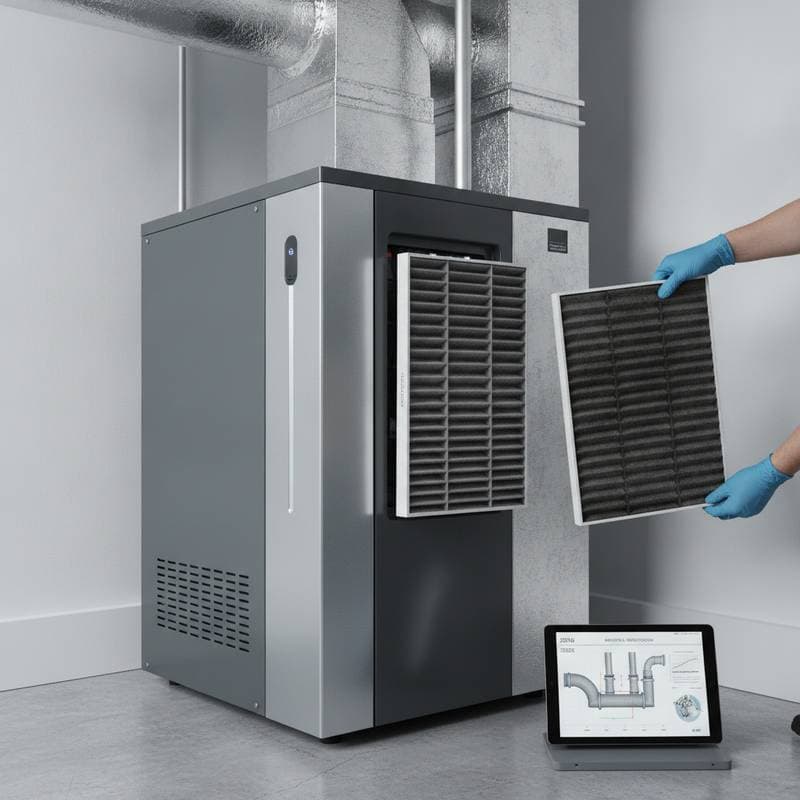
Air filters require inspection every month when the system runs daily. A blocked filter restricts airflow and forces the blower motor to consume more power. Replacement intervals typically range from one to three months depending on household conditions. Select filters that match the manufacturer specified size and MERV rating to avoid airflow restrictions in older equipment.
Clean Outdoor Condenser Coils
The exterior unit gathers leaves, dust, and pollen throughout the year. Dirty coils impair heat exchange and cause the compressor to operate under greater stress. Disconnect power, remove the protective grille, and use a soft brush followed by a low pressure hose rinse. Maintain at least two feet of clearance around the unit after cleaning to support unrestricted airflow.
Verify Refrigerant Charge
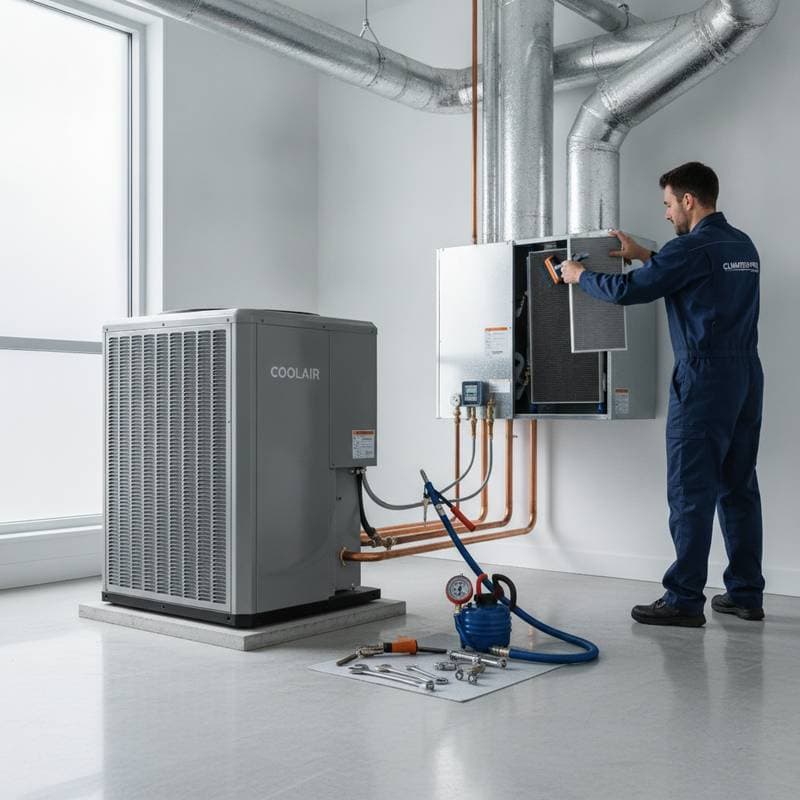
Low refrigerant usually signals a leak that reduces cooling output and risks compressor damage. Signs include uneven room temperatures or ice formation on indoor coils. Only a licensed technician should measure levels and perform any necessary recharging or leak repair. A spring service visit confirms correct charge before daily operation starts.
Calibrate the Thermostat
An inaccurate thermostat produces temperature swings and unnecessary runtime. Compare its reading against a separate thermometer placed in the same room. Replace batteries annually and remove dust from sensor areas. A programmable model permits temperature setbacks during unoccupied hours and can issue automatic filter change alerts.
Maintain the Condensate Drain
Moisture collected during cooling exits through the drain line, which can become blocked by algae or sediment. Locate the indoor PVC pipe, remove the cap, and flush with a water and vinegar solution. Standing water or musty odors indicate deeper blockages that may require a wet dry vacuum. Clear drains protect against water damage and inhibit mold inside the air handler.
Seal and Inspect Ductwork
Leaks allow cooled air to escape before it reaches living spaces. Check visible joints for gaps and apply foil tape or mastic to small openings. Uneven temperatures between rooms often point to larger issues best addressed by a professional duct cleaning service. Properly sealed ducts can improve cooling efficiency by up to 20 percent.
Confirm Overall System Operation
After completing the preceding tasks, restore power and observe the unit for ten to fifteen minutes. Listen for unusual sounds and verify consistent airflow from every vent. Weak performance or strange odors warrant immediate shutdown and a service call. Early attention prevents small faults from developing into major failures.
Arrange Professional Service
Homeowners who perform routine tasks still benefit from an annual technician visit. Certified professionals measure electrical loads, lubricate moving parts, and balance airflow across the entire system. Seasonal tune up packages typically cost less than emergency repairs. Request checks on capacitors and fan motors to support both efficiency and longevity.
Seasonal Schedule and Budget Planning
Filter changes occur monthly in summer while drain cleaning takes place every few months. A full inspection belongs on the calendar once each year. Repair costs for older systems should be weighed against replacement of high efficiency models that can cut electricity use by up to 30 percent. An energy audit from a technician clarifies expected savings.
Sustaining Reliable Cooling Performance
Consistent attention to filters, coils, and drains delivers steady comfort without surprise breakdowns. Homeowners who follow the outlined steps experience lower operating costs and improved air quality throughout the season. Preparation now ensures dependable performance regardless of outdoor conditions.