HVAC Filter Replacement Schedule for Consistent Air Quality
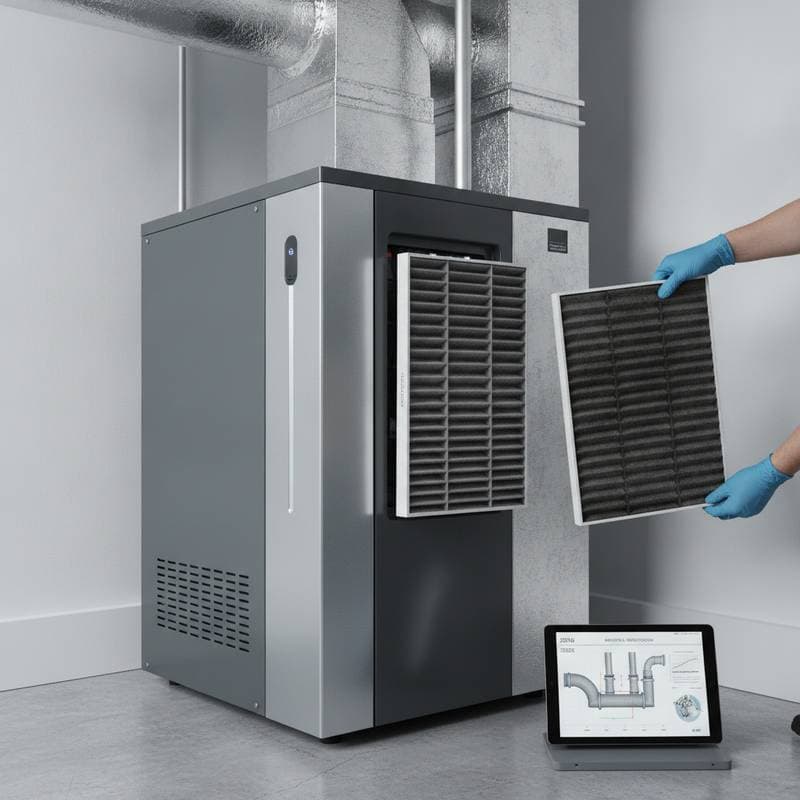
Clean air inside your home depends on one small but powerful component. The HVAC filter traps dust, pollen, mold spores, and other airborne particles before they circulate through living spaces. A consistent replacement schedule maintains healthy air, keeps energy costs low, and extends the life of the HVAC system. This guide provides a practical plan for filter changes throughout the year along with guidance on filter selection.
Setting Up a Year-Round Replacement Schedule
A dependable schedule keeps maintenance simple and predictable. The following plan divides the year into four periods based on system usage patterns.
Winter: High Demand for Heating
During colder months the system runs frequently and pulls in air filled with dust from dry indoor environments. Replace the filter every one to two months during this period. Households with pets or poor outdoor air quality should check the filter monthly. A clogged filter can cause uneven heating or trigger system shutdowns from restricted airflow.
Spring: Allergy Season and Rising Humidity
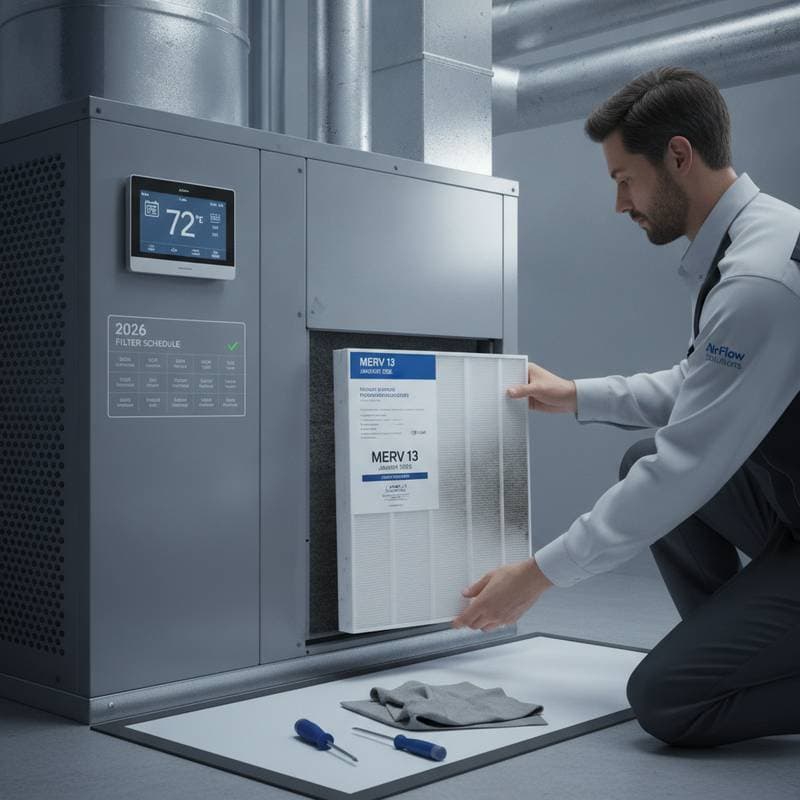
Outdoor pollen levels rise and the filter traps more particles. Switch to a MERV 11 or MERV 13 filter if anyone in the home has allergies or asthma. Replace the filter at the start of the season and check again midway through. Clean filters reduce allergens and help control humidity so the system runs more efficiently.
Summer: Cooling and Continuous Operation
When the air conditioner runs daily the filter faces constant use. Replace it every one to two months. Homes with shedding pets require more frequent checks. Clogged filters restrict airflow, cause the coil to freeze, and reduce cooling efficiency.
Fall: Preparing for Heating Season
As temperatures drop the system transitions from cooling to heating. Replace the filter as part of the annual maintenance routine. This step ensures the furnace runs smoothly when operation resumes. Fall is also a good time to vacuum vents and inspect ducts for leaks that affect air quality.
Signs It Is Time to Replace Your Filter
Even with a set schedule some conditions call for earlier replacement. Watch for these indicators.
- Dust buildup on furniture or vents signals a full filter.
- Rising energy bills occur when a clogged filter forces the system to work harder.
- Reduced airflow from vents often indicates blockage.
- Allergy symptoms such as sneezing or congestion indoors may reflect poor filtration.
- A gray or debris-covered filter requires immediate replacement.
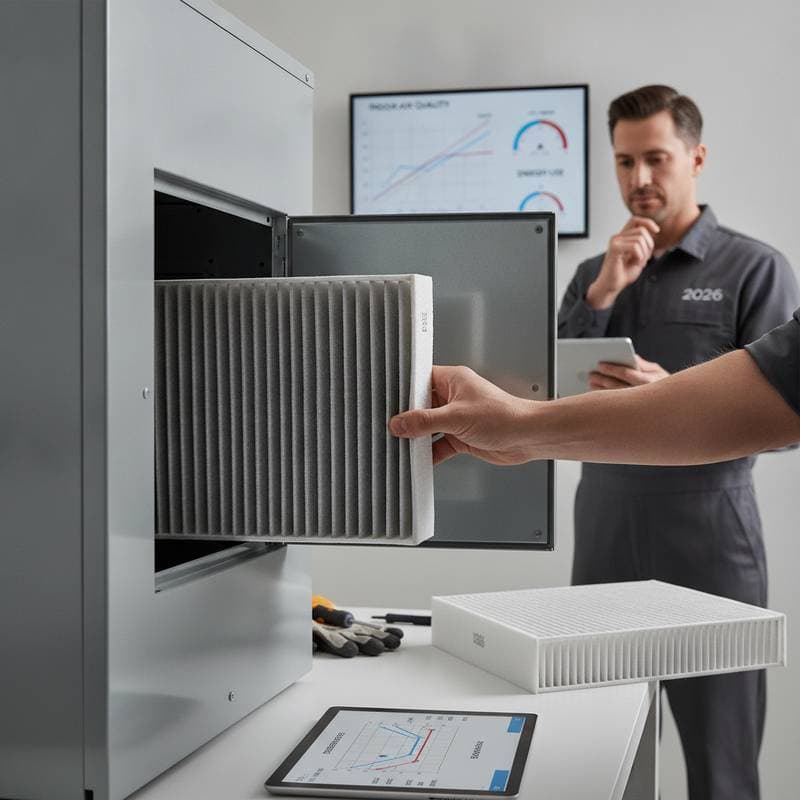
A quick monthly inspection catches these issues before they affect comfort or air quality.
Cost and Budget Planning
Filter costs vary by material and rating. Basic fiberglass filters cost only a few dollars while pleated and electrostatic models range from moderate to premium pricing. An average home spends between 50 and 150 dollars annually on filters when replacements occur every two months.
Washable electrostatic filters cut long-term costs and typically pay for themselves within two years with proper cleaning. Budget also includes professional maintenance visits that prevent expensive breakdowns. A clean filter improves system efficiency by up to 15 percent and lowers energy bills while extending equipment life.
Smart Solutions for Tracking Filter Changes
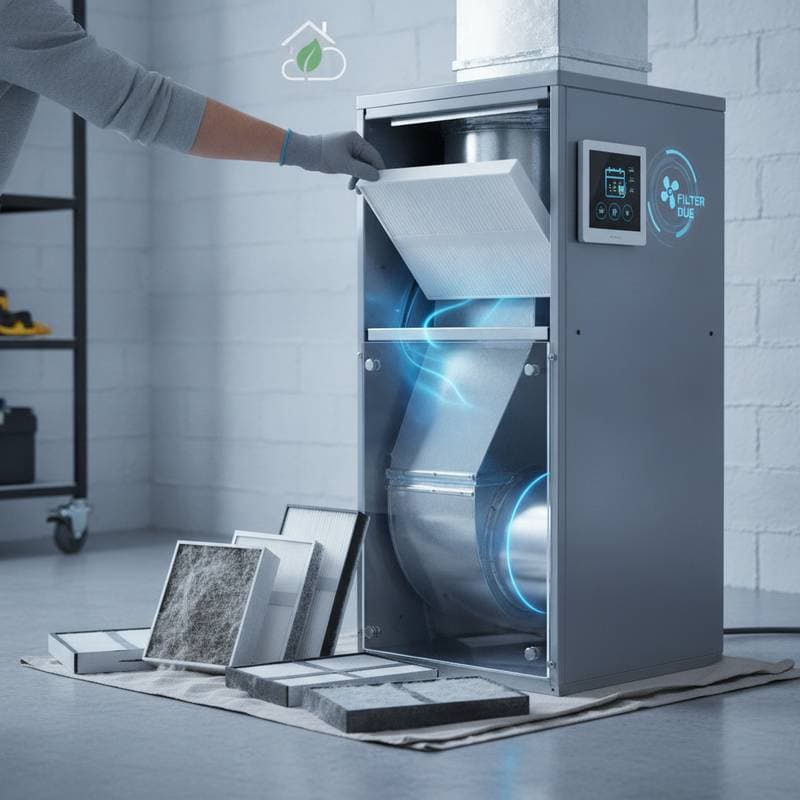
Smart thermostats and mobile apps provide reminders for filter replacement. Devices from major brands track usage and send alerts when replacement is due. Some smart filters include built-in sensors that monitor airflow resistance and temperature changes.
A low-tech option is to label each new filter with the installation date using a permanent marker. Set a recurring calendar reminder for the next replacement. Consistency maintains performance over time.
Protecting System Performance
Regular filter changes deliver cleaner air and lower operating costs. They also reduce wear on system components and support reliable year-round comfort.