Essential Monthly Tasks for Mold Prevention
Keeping mold out of a home requires steady attention. Moisture control, air circulation, and regular inspection form the foundation of a healthy living space. Mold thrives where humidity remains trapped or leaks go untreated.
Understanding the Basics of Mold Growth
Mold spores exist almost everywhere. They grow when moisture and organic material combine in a poorly ventilated area. Bathrooms, kitchens, attics, and basements are frequent trouble spots.
The most effective prevention strategy includes constant observation and quick response. Regular cleaning, dehumidifying, and checking for leaks can save thousands in remediation expenses later. Preventive maintenance keeps those numbers much lower.
Monthly Moisture Control Checklist
Moisture is the most influential factor in mold development. Every month, homeowners should run through a simple list of checks to identify hidden dampness before it turns into a problem.
- Inspect plumbing connections under sinks, near dishwashers, and behind washing machines for drips or condensation.
- Empty and clean dehumidifiers to keep humidity under control. Aim for indoor humidity levels between thirty and fifty percent.
- Check window frames and sills for condensation. Wipe them dry and add weather stripping if needed.
- Look behind furniture and appliances for damp spots on walls or floors.
- Clean and inspect gutters and downspouts to ensure proper drainage away from the home.
Ventilation and Air Quality Maintenance
Air movement helps keep surfaces dry. A monthly focus on ventilation ensures damp air does not linger indoors.
- Run exhaust fans in kitchens and bathrooms for several minutes after cooking or showering.
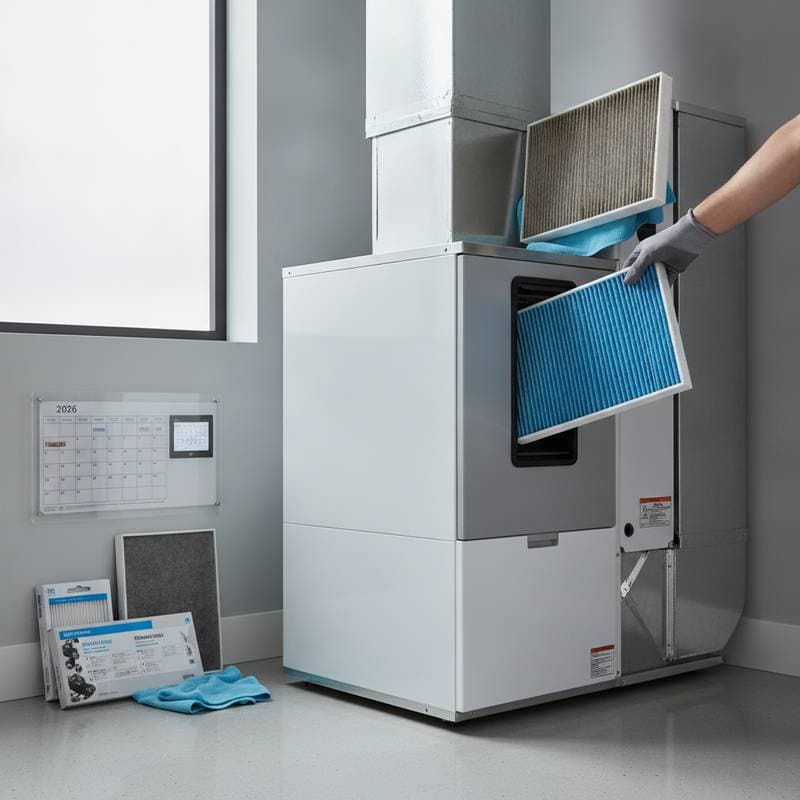
- Replace HVAC filters to maintain airflow and reduce dust accumulation that traps moisture.
- Clean air vents and registers to prevent blockage and dust buildup.
- Open windows periodically when weather permits, even for short intervals.
Monthly Cleaning Strategies
Cleaning routines that target moisture-prone surfaces make a strong defense against mold spores. Kitchens should be wiped down frequently, particularly around sinks, refrigerator drip pans, and under cabinets. Use a mild detergent and water mixture.
Bathrooms need special attention to tiles, grout, and shower curtains. Monthly scrubbing with a vinegar solution removes soap residue and biofilm that mold feeds on. Basements and attics benefit from vacuuming with a HEPA filter to capture airborne spores.
Inspecting Hidden and High-Risk Areas
Some areas collect moisture without obvious signs. Checking these spots each month stops invisible growth from spreading.
- Behind drywall in basements where water seepage can occur.
- Under carpets near exterior doors or windows.
- Inside HVAC ducts that may collect condensation.
- Around crawl spaces where ground moisture rises into the structure.
If dampness is detected, drying should begin immediately using fans and dehumidifiers. A moisture meter can help pinpoint the source. These tools cost between fifteen and fifty dollars and give precise readings of surface dampness.
Seasonal Considerations within a Monthly Routine
Although the focus is on monthly tasks, adjusting the routine to seasonal conditions strengthens long-term prevention. In humid months, increase ventilation and use portable dehumidifiers in bedrooms, basements, and closets. During cooler months, focus on insulation and sealing gaps that allow condensation.
Checking Appliances and Water Systems
Appliances that use water can leak without being noticed. Once a month, inspect them closely.
- Refrigerators: Clean drip pans and check ice maker lines for leaks.
- Dishwashers: Examine the door gasket for cracks and ensure the machine drains completely.
- Washing machines: Inspect hoses for bulges or damp spots around connections.
- Water heaters: Look for rust or pooling water near the base.
Replacing old hoses and fittings is inexpensive compared to remodeling mold-damaged floors or walls. A full hose replacement typically costs between fifteen and thirty dollars.
Managing Indoor Plants and Fabrics
Indoor plants and soft furnishings often trap moisture without notice. Each month, take a few minutes to monitor them. Water plants sparingly and add a layer of small stones on top of the soil to improve drainage. Wipe plant leaves to remove dust that retains moisture.
For fabrics, wash curtains, bath mats, and rugs regularly. When drying laundry indoors, ensure proper ventilation or use a dehumidifier to remove excess moisture.
Evaluating Exterior Conditions
Exterior issues often create indoor mold problems. A quick monthly walk around the property can reveal early warning signs.
- Check for cracks in foundation walls that may allow water seepage.
- Inspect roof shingles and flashing for damage after storms.
- Ensure landscaping slopes away from the structure to prevent water pooling near the foundation.
- Look for standing water around outdoor HVAC units that might feed mold growth inside ducts.
Using Mold-Resistant Products
Homeowners can strengthen their monthly maintenance strategy by using mold-resistant materials. Paints with antimicrobial additives, moisture-resistant drywall, and treated insulation all contribute to long-term prevention. While these materials cost slightly more upfront, they reduce the need for frequent repairs.
Tracking Results and Adjusting the Routine
Documenting monthly findings provides insight into what works best. Keep a simple checklist noting humidity readings, leak repairs, and cleaning tasks. This record helps identify recurring problem zones and track whether humidity levels stay within a safe range.
For homes with persistent moisture issues, hiring a professional inspection service once or twice a year offers objective assessment. The average cost for a mold inspection ranges between two hundred and four hundred dollars.
Handling Minor Mold Spots Quickly
Even with careful maintenance, small mold spots may appear. Responding immediately prevents widespread contamination. For non-porous surfaces like tile or glass, scrub with a solution of one part vinegar to three parts water. For porous materials such as drywall or fabric, replacement is often safer than cleaning.
Wear gloves and an N95 mask when cleaning visible mold to avoid inhaling spores. Ventilate the area during cleaning and keep it dry afterward.
Long-Term Benefits of Consistent Prevention
Routine mold prevention protects more than walls and ceilings. It preserves indoor air quality, reduces allergy symptoms, and extends the life of building materials. Families living in well-maintained homes report fewer respiratory issues and lower maintenance expenses overall.
Making It Happen
Building a habit of monthly mold prevention takes only a few hours but delivers lasting peace of mind. Start with a checklist that fits your home layout. Divide responsibilities among family members or schedule reminders on a calendar to stay consistent. Each small task keeps moisture under control and stops mold before it starts.