Fall HVAC Checklist to Prep Your Furnace for Winter
As temperatures drop, your furnace becomes central to home comfort. Preparation before the first cold night prevents breakdowns, lowers energy bills, and extends system life. This checklist provides homeowners with clear steps to ready the heating system for the season.
Inspect and Replace the Air Filter
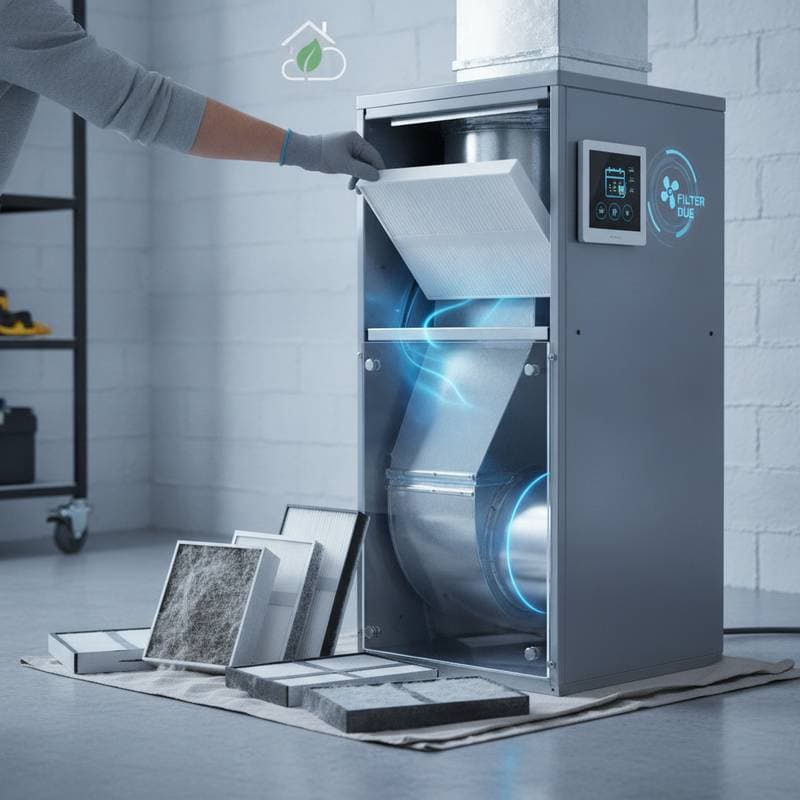
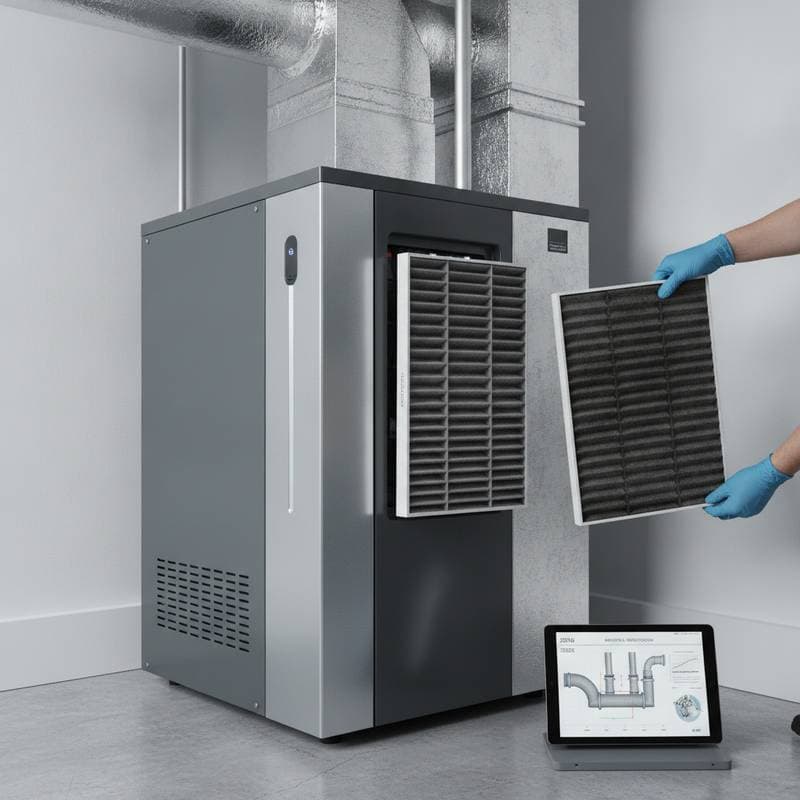
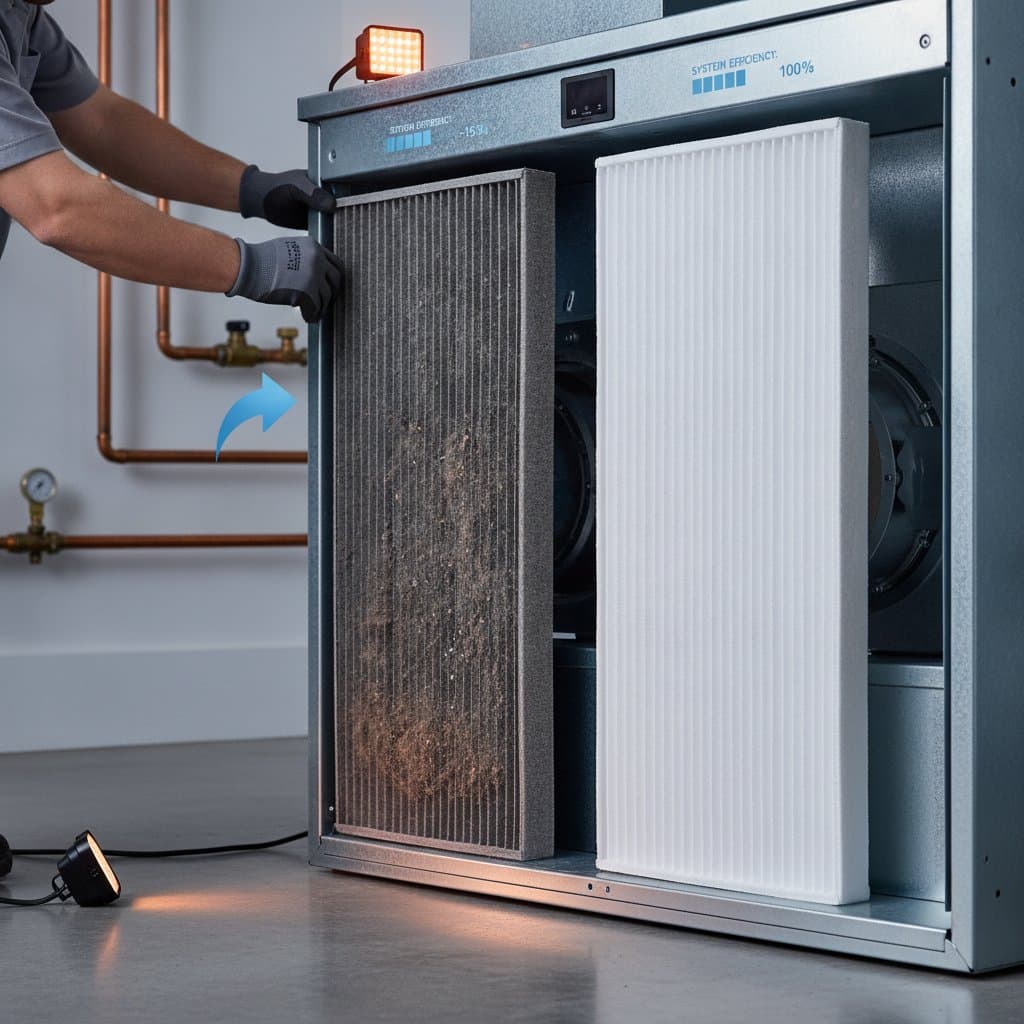
A dirty air filter restricts airflow and forces the furnace to work harder. Check the filter monthly during fall and replace it when it appears dusty or gray. Most disposable filters cost only a few dollars yet improve air quality and performance noticeably. Homes with pets or high dust levels benefit from high efficiency pleated filters that capture smaller particles.
Clear the Furnace Area
Keep the space around the furnace free of clutter. Boxes, supplies, and stored items block airflow or create fire hazards. Vacuum around the unit to remove dust and debris. Confirm that vents and grilles remain open and unobstructed in basements or utility closets.
Test the Thermostat
Switch the thermostat to heat mode and raise the setting a few degrees above room temperature. The furnace should start within one minute. Replace batteries if needed and ensure the device sits level and clean. Programmable models allow precise scheduling that reduces energy use during unoccupied hours.
Inspect Vents and Ductwork
Vents and ducts distribute warm air throughout the house. Remove vent covers and vacuum visible dust. Use a flashlight to check ducts for buildup or moisture. Heavy debris or mold requires professional cleaning to restore airflow and air quality.
Examine the Blower Components
The blower motor and belt move warm air through the ducts. Inspect the belt for fraying or cracks and replace it if damage appears. Press the belt midway between pulleys to test tension. It should deflect about half an inch. Lubricate motor bearings only when the model requires it.
Check the Ignition System
Pilot lights must burn blue. Yellow or orange flames signal dirt on the burner or an improper gas mixture. Electronic systems produce a distinct click during startup. Failure to ignite calls for a licensed technician to inspect the igniter or flame sensor.
Seal Air Leaks
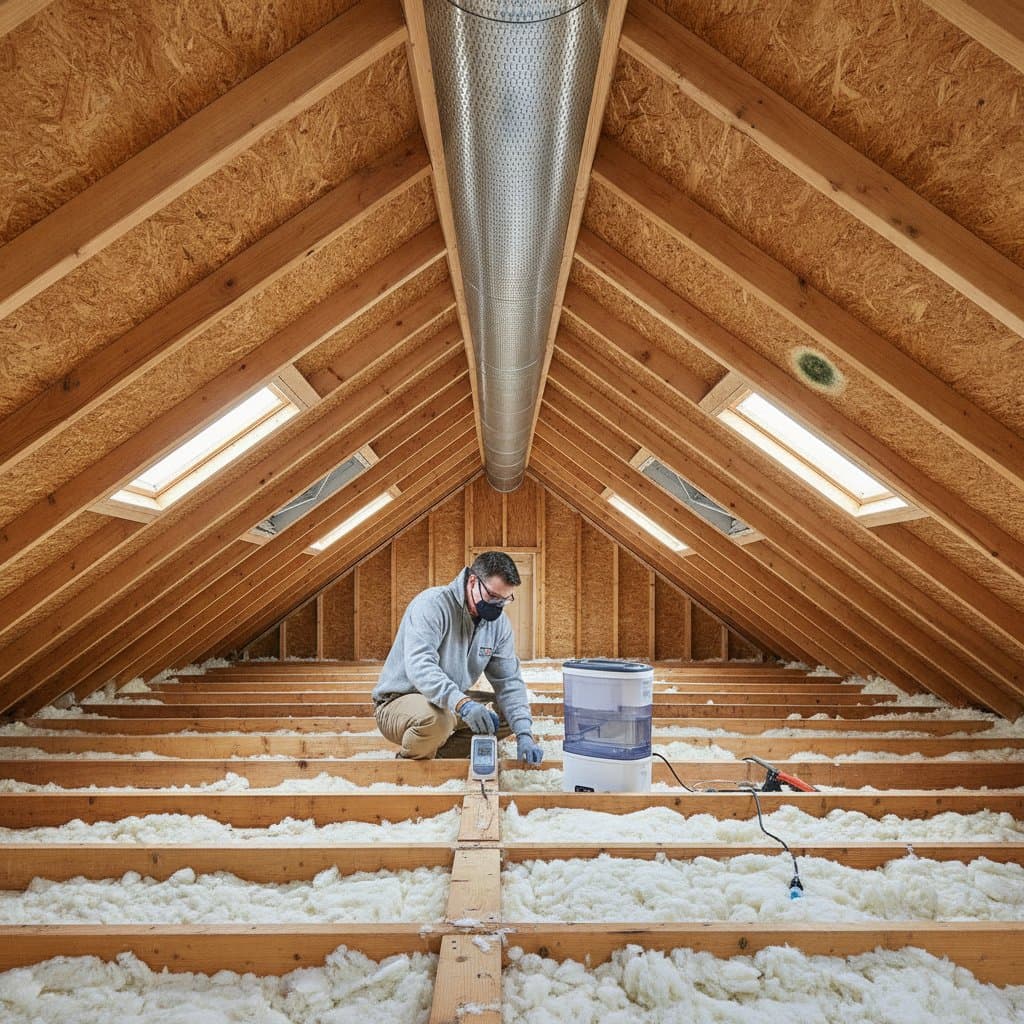
Walk around windows, doors, and baseboards to detect drafts. Apply weatherstripping or caulk to close gaps. Add insulation in attics and crawl spaces to lower heating demand. These steps help the furnace maintain steady temperatures without continuous operation.
Service the Humidifier
Dry winter air often requires a furnace mounted humidifier. Replace the pad or filter before the heating season. Clean the water reservoir to prevent mineral deposits. Maintain indoor humidity between 30 and 50 percent to protect wood surfaces and avoid window condensation.
Schedule Professional Service
Homeowners can complete basic tasks, yet an annual inspection by a technician verifies safety and efficiency. The visit includes heat exchanger checks, combustion testing, and internal cleaning. Regular service prevents mid winter failures and supports reliable operation.
Verify Safety Detectors
Replace batteries in smoke and carbon monoxide alarms at the start of the heating season. Press the test button on each unit to confirm function. Detectors older than a few years should be replaced with models that provide remote alerts.
Monitor Energy Use
Compare utility bills once heating begins. Sudden increases point to inefficiency or leaks. Lower the thermostat a few degrees at night and use ceiling fans to circulate air. Open blinds on sunny days to capture natural warmth.
Prepare for Unexpected Issues
Keep contact information for an HVAC provider that offers emergency service. Store spare filters and thermostat batteries. Homes in outage prone areas may benefit from a portable generator to maintain blower operation during brief power losses.
Protecting Home Comfort Year Round
Consistent fall maintenance safeguards the furnace investment and supports steady indoor temperatures. Attention to these steps reduces repair costs and improves daily comfort throughout winter.