2026 Rules Make Monthly HVAC Filter Changes Essential
Homeowners face new expectations for indoor air quality. Updated environmental and health standards require heating and cooling systems to meet higher efficiency and filtration benchmarks. These standards reduce airborne particles, improve energy performance, and lower long-term maintenance costs. The result is a shift toward consistent monthly filter replacement for most residential systems.
Why the New Standards Matter for Every Home
The updated HVAC rules emphasize indoor air cleanliness. Filters clogged with dust and pollen reduce airflow by up to 30 percent. This forces systems to consume more power and shortens equipment life. Monthly replacement maintains steady airflow, regulates temperature efficiently, and captures fine particles that trigger allergies.
Poor air quality affects concentration, sleep, and overall health. Consistent filtration supports home wellness. The standards make monthly replacement a compliance measure as well as good practice.
The Real Cost of Skipping Filter Changes
Many homeowners underestimate the impact of dirty filters. Filters cost between 10 and 40 dollars. Ignoring replacement can add hundreds of dollars in wasted energy each year. A clogged filter raises energy bills by 10 to 15 percent.
Dust buildup can damage the blower motor or evaporator coil. Repair costs range from 250 to over 1000 dollars. Bulk packs and subscription services from brands such as 3M Filtrete and Honeywell Home reduce the cost per filter and support timely replacement.
Understanding Filter Ratings and Performance
The Minimum Efficiency Reporting Value measures how well a filter captures particles. Ratings range from 1 to 16 for residential use. MERV 8 filters handle basic dust and lint. MERV 11 and 13 filters trap smaller allergens such as mold spores and smoke.
High-efficiency filters can restrict airflow if the system is not designed for them. Check manufacturer specifications or consult a technician before upgrading. HEPA filters capture up to 99.97 percent of particles as small as 0.3 microns, yet they suit only systems built for higher air pressure.
Step-by-Step Guide to Monthly Filter Changes
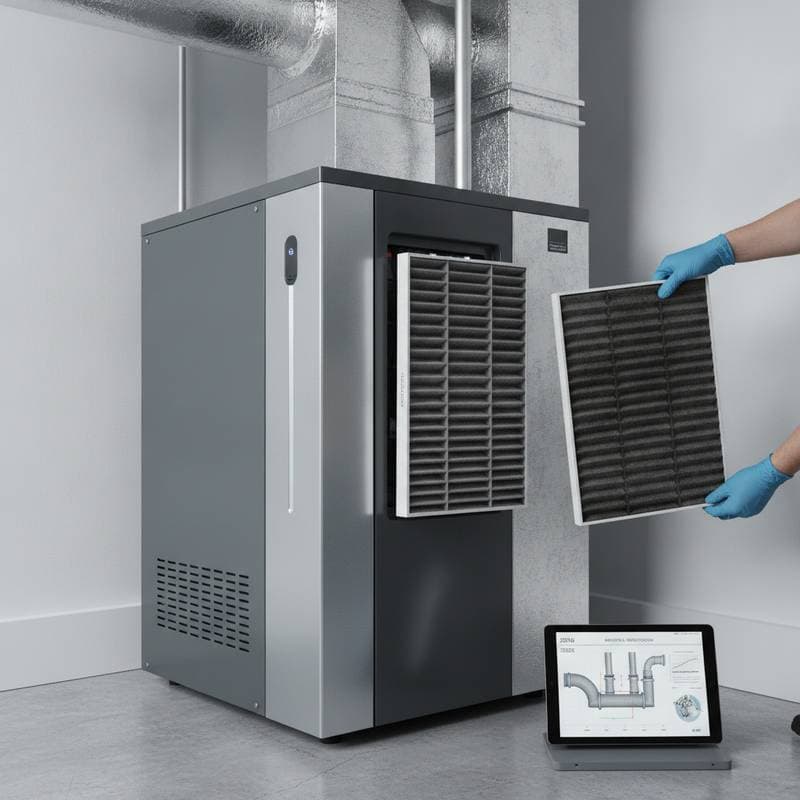
Filter replacement requires no special tools and takes only a few minutes.
- Turn off the system to prevent dust circulation.
- Locate the filter compartment behind the return air grille or inside the air handler.
- Remove the old filter and note the airflow direction marked on the frame.
- Inspect the old filter for heavy buildup to confirm the monthly schedule.
- Insert the new filter with the airflow arrow pointing toward the blower motor.
- Secure the cover and restart the system.
Track changes with a calendar reminder or smart thermostat alerts.
When to Replace Filters More Frequently
Homes with pets, smokers, or allergy sufferers may need changes every three weeks. Construction or nearby wildfires increase dust levels and require extra replacements. During peak heating and cooling seasons, inspect filters after two weeks of heavy use.
DIY or Professional Maintenance
Most homeowners complete filter replacement in under ten minutes. Professional tune-ups remain useful for duct cleaning and refrigerant checks. A technician visit costs between 100 and 200 dollars. Persistent early clogging may indicate duct leaks or system issues that require professional diagnosis.
How the New Rules Affect Energy Efficiency
Clean filters reduce HVAC energy consumption by up to 15 percent. Proper maintenance qualifies systems for local rebates in many regions. Documenting regular changes supports eligibility for efficiency incentives.
Improving Indoor Air Quality for Healthier Living
Clean filters lower pet dander, mold spores, and pollen indoors. This creates a healthier environment for children, seniors, and anyone with asthma. Homeowners report noticeable comfort gains after adopting monthly changes.
Troubleshooting Common Filter Issues
- Filter does not fit tightly: measure the slot and verify the model number.
- System noise increases after replacement: switch to a lower MERV rating.
- Filter becomes dirty within a week: inspect ducts for leaks.
- Reduced airflow from vents: confirm correct installation direction and open vents.
Maintaining Your Investment
Monthly filter changes protect equipment, reduce utility costs, and support compliance. The practice extends system life and keeps indoor air clean throughout the year. Homeowners gain fewer repairs and consistent comfort by treating filter replacement as routine upkeep.