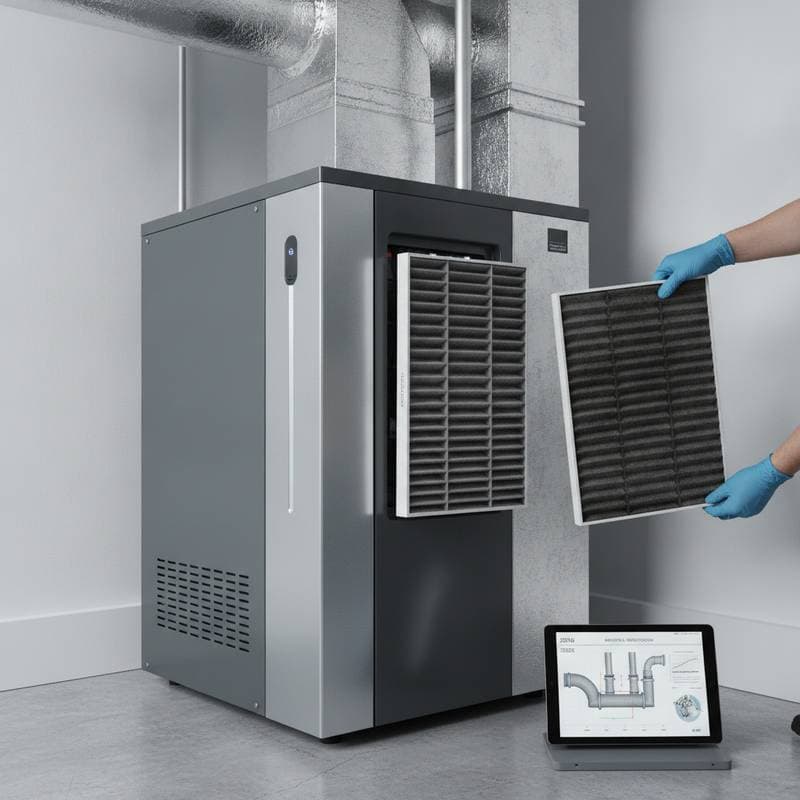

2026 Seasonal Schedule for Monthly HVAC Filter Changes
Keeping an HVAC system in top condition starts with regular air filter changes. This straightforward task improves indoor air quality, supports energy efficiency, and extends equipment life. A consistent monthly plan removes guesswork and prevents airflow issues that lead to higher utility bills or system strain.
This guide outlines a year-round replacement routine, explains seasonal adjustments, and provides guidance on filter selection and professional service. It also includes cost management strategies and habits that support cleaner air throughout the year.
Creating a Seasonal Replacement Routine
A fixed schedule removes uncertainty and helps homeowners notice performance changes early. Each season changes how often the system operates and how much dust or pollen it encounters. The plan below adjusts replacement timing to match those variations.
Winter Heating Demands
Heating systems run for extended periods during cold months, which increases dust collection on filters. Closed windows keep particles circulating indoors.
- Replace the filter on the first day of each month.
- Check the filter mid-month when fireplaces or space heaters operate.
- Select a higher MERV rating filter in homes with fine dust accumulation.
- Vacuum vents and return grilles weekly to limit surface debris.
Homes with heavy pet shedding may require changes every three weeks. Hold the filter to a light source. Replace it when light no longer passes through.
Spring Pollen Control
Pollen levels rise in spring and can overwhelm standard filters. Mild weather reduces system runtime, allowing particles to settle on coils.
- Install a fresh filter at the start of each month.
- Open windows only when outdoor pollen counts remain low.
- Choose pleated filters to capture smaller particles for allergy relief.
- Arrange one professional coil and duct inspection during the season.
Summer Cooling Loads
Air conditioners operate for long cycles in summer heat. Humidity combines with dust to clog filters more quickly.
- Change filters at the beginning of each month.
- Select synthetic media that resists moisture and mold.
- Inspect the air handler area for condensation and maintain dryness.
- Consider an electrostatic reusable filter if washing is preferred.
Fall Transition Maintenance
Dust from summer settles in ducts as heating begins. Fireplaces and furnaces add soot and particles to the air stream.
- Replace filters monthly to clear accumulated debris.
- Swap worn reusable filters during this period.
- Schedule a furnace inspection before regular heating starts.
- Add a humidifier in dry climates to limit airborne dust.
Some households benefit from two filter changes in the first month of heating to remove summer buildup.
Managing Filter Expenses
Disposable filters typically cost between fifteen and thirty dollars each month. Reusable options require a larger initial outlay but recover that cost within one year through repeated washing.
Bulk purchases from suppliers reduce per-unit prices. Order seasonal packs ahead of each new season to maintain supply. Label multiple filters with installation dates using a permanent marker to track usage without relying on memory.
Clean filters shorten heating and cooling cycles. This reduction in runtime lowers wear and supports longer system life when paired with annual professional service.
Protecting Indoor Air Quality
A neglected filter collects moisture and organic material that can support mold or bacteria growth. These contaminants travel through the ductwork and may worsen respiratory conditions.
Follow these steps for safe handling:
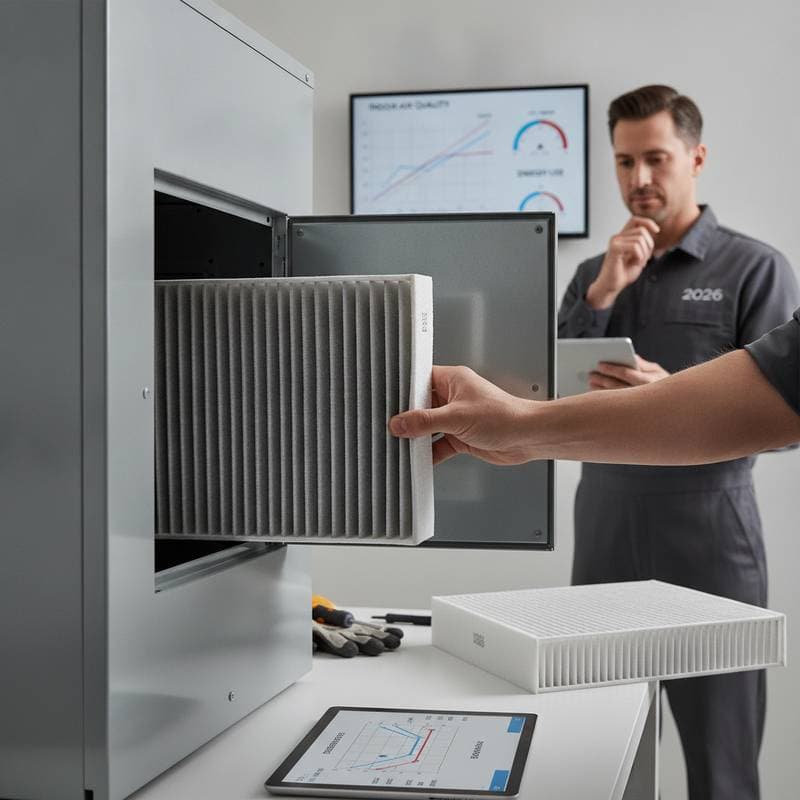
- Shut off the HVAC system before filter removal or installation.
- Wear gloves and a mask when visible dust is present.
- Place used filters in sealed bags before disposal.
- Vacuum and wipe the surrounding area before inserting the new filter.
Owners of central humidifiers or UV purifiers should inspect those components each season as well.
Habits That Support Longer Filter Life
Daily routines can slow filter clogging between scheduled changes.
- Vacuum floors frequently to reduce dust that reaches return vents.
- Groom pets regularly to limit hair in the air stream.
- Place doormats at entries to capture outdoor dirt.
- Seal gaps around windows and ducts to block outside debris.
- Maintain balanced humidity levels to prevent dust adhesion.
These practices allow filters to perform effectively for the full month.
Evaluating System Upgrades
Persistent airflow problems or rising energy costs despite regular filter changes may indicate equipment issues. Older units lose efficiency even with clean filters.
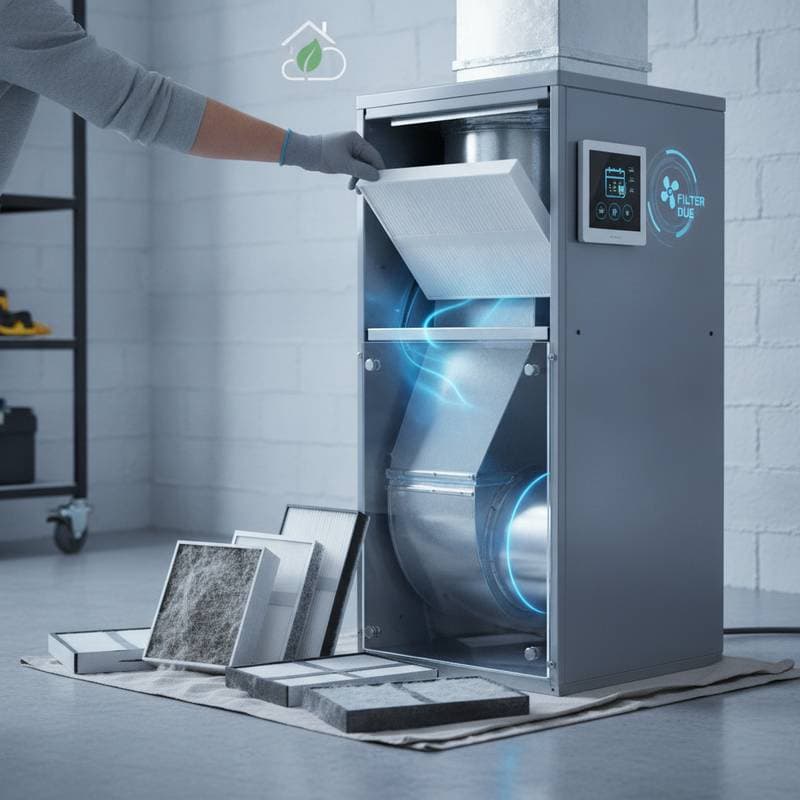
Newer systems often include advanced filtration and variable-speed fans that adjust automatically. Some models feature sensors that signal when filters require attention.
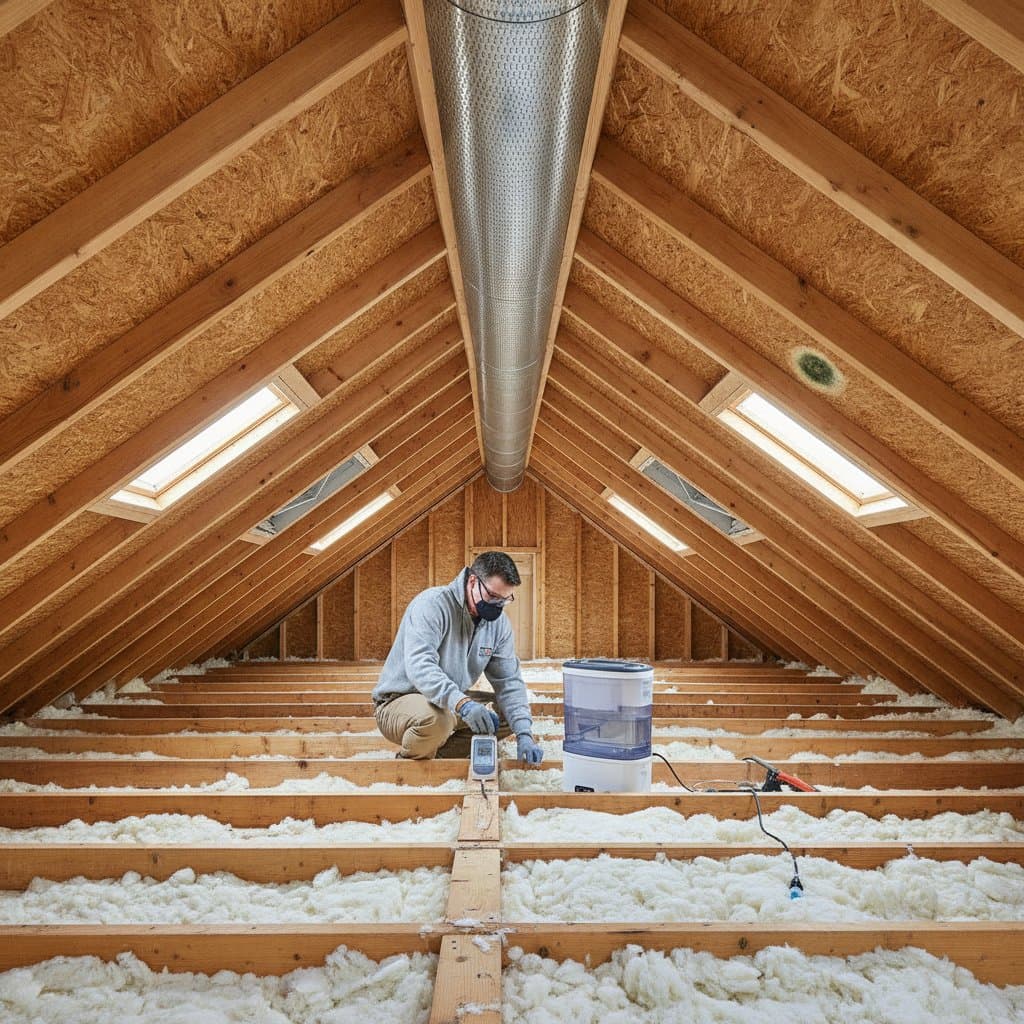
A licensed technician can measure airflow, duct leakage, and filter fit before any replacement decision. Duct sealing or coil cleaning may resolve issues without full system replacement.
Protecting Your Home Comfort Investment
A monthly filter schedule maintains efficiency, supports healthy indoor air, and reduces the risk of expensive repairs. Consistent seasonal routines keep equipment operating at peak levels throughout the year. Begin with one change each month, set calendar reminders, and keep spare filters available for immediate needs.