2026 HVAC Filter Changes: Quarterly Maintenance Dates
A well-maintained HVAC system keeps indoor air clean, extends equipment life, and reduces energy costs. One of the simplest ways to protect that investment is by following a consistent filter replacement schedule. Homeowners often underestimate how much a neglected filter can strain a heating and cooling system.
Dust, pollen, and debris restrict airflow. This forces the unit to work harder and consume more electricity. A clear schedule for quarterly filter changes keeps performance steady and ensures your home air remains healthy.
Why Quarterly Filter Changes Matter
Every filter collects airborne particles that would otherwise circulate through your home. When the filter becomes clogged, airflow drops. This situation can cause uneven temperatures and increase wear on the blower motor.
Over time, this can lead to costly repairs or early system replacement. A quarterly schedule, meaning every three months, strikes the right balance for most households. It accounts for seasonal variations in air quality and system usage.
In spring and summer, pollen and dust levels climb. In fall and winter, heating cycles are longer and indoor air often becomes drier. Changing filters quarterly keeps the system efficient in all these conditions.
Replacing a dirty filter can lower energy consumption by up to 15 percent. That small task can easily save homeowners between 10 and 20 dollars per month on utility costs, depending on the size of the home and the system.
Understanding Filter Types and Ratings
Not all filters perform the same. The right choice depends on your system capacity, your household air quality needs, and your budget. Filters are rated using the MERV scale, which stands for Minimum Efficiency Reporting Value.
The higher the MERV rating, the smaller the particles the filter can capture.
- MERV 1 to 4: Basic filters that catch large particles like dust and lint. Suitable for older systems or spaces with minimal air quality concerns.
- MERV 5 to 8: Standard residential filters that handle pollen, mold spores, and pet dander. These are the most common for average homes.
- MERV 9 to 12: High-efficiency filters for households with allergies or pets. They capture finer particles and provide cleaner air.
- MERV 13 to 16: Hospital-grade performance, filtering bacteria and smoke. Use only if your HVAC system is designed to handle this airflow resistance.
Most households find MERV 8 to 11 filters to be the best mix of performance and cost. Expect to spend between 10 and 30 dollars per filter, depending on size and brand. Higher-rated filters may cost more but can reduce allergens and dust buildup significantly.
Setting Your Quarterly Maintenance Dates
Setting quarterly checkpoints for filter changes helps form a consistent habit. Divide your year into four equal parts and mark one replacement date near the start of each period. Many homeowners pair filter changes with other routine tasks like smoke detector checks or gutter cleaning.
A simple method is to label the filter slot with a note showing the date of the next change. Another option is to use phone reminders or a smart home app. Some modern thermostats even track filter usage and send alerts when airflow resistance increases.
If your household includes pets, smokers, or residents with allergies, you may need to change filters more often. Homes in dusty or humid climates often benefit from replacing filters every two months instead of every three.
Step-by-Step Guide to Changing Your HVAC Filter
Replacing a filter takes less than ten minutes and requires no special tools. Follow these steps to ensure a clean, safe, and efficient process.
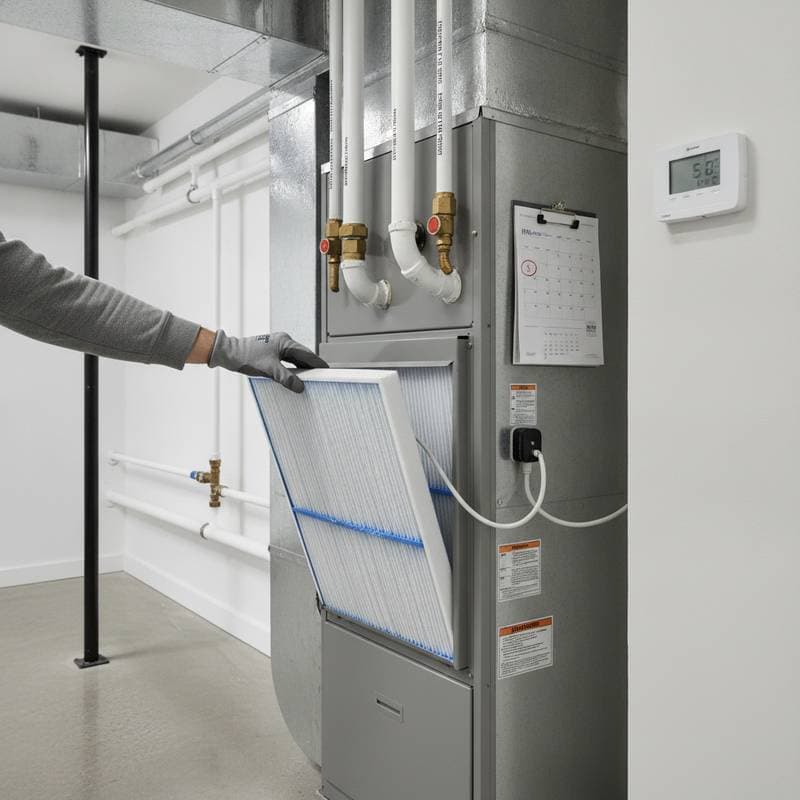
- Turn off the system. Before touching the filter, shut down the HVAC unit at the thermostat or breaker. This prevents debris from being drawn into the system while the filter is out.
- Locate the filter compartment. Most filters sit behind a return air grille or inside the blower compartment. Consult your owner manual if you are unsure.
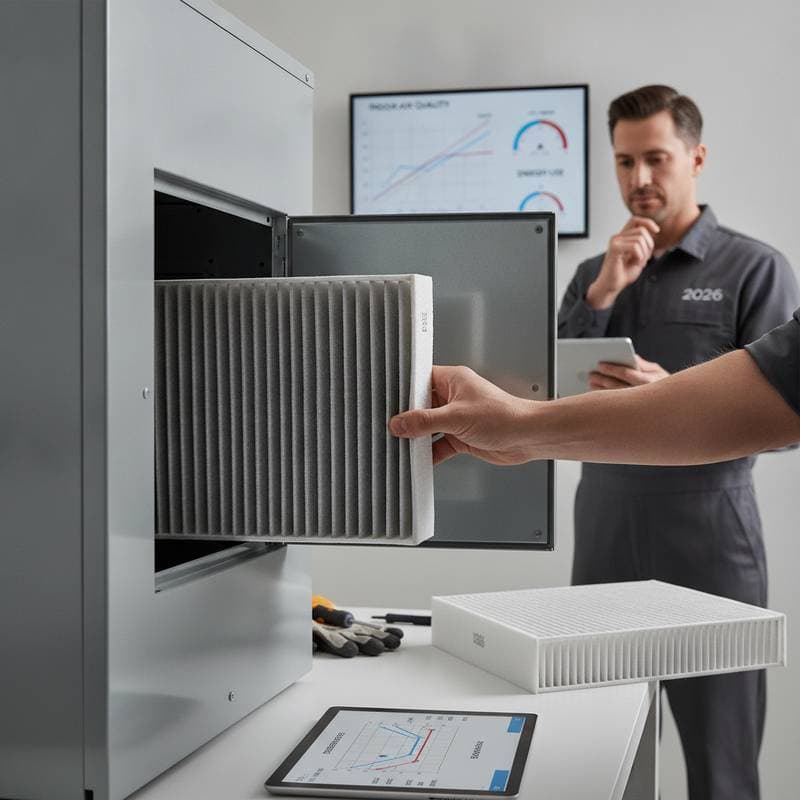
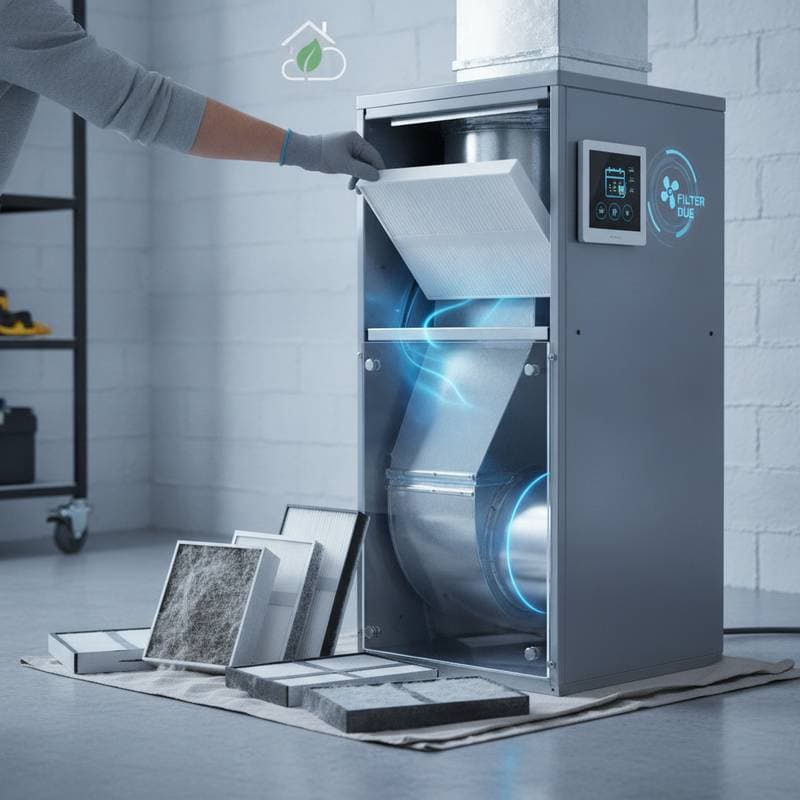
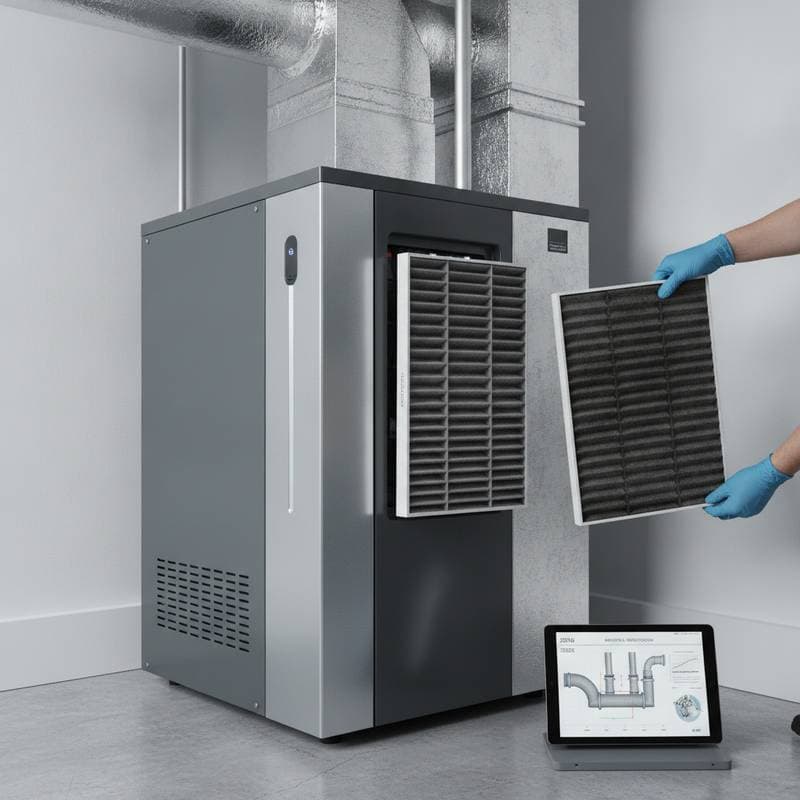
- Remove the old filter. Slide it out carefully to avoid spreading dust. Check for excessive buildup, discoloration, or damp spots that may indicate a humidity issue.
- Check the airflow direction. Each filter has arrows printed on the frame showing airflow direction. Make sure they point toward the blower or furnace.
- Insert the new filter. Slide it into place, ensuring a snug fit. Do not force it, as bending can damage the frame and reduce effectiveness.
- Record the replacement date. Keep a log of the change to track future maintenance.
These small details matter. A loose or backward filter can leak unfiltered air into the system, defeating the purpose of the replacement.
Common Problems from Skipping Filter Changes
Neglecting filter maintenance leads to several avoidable issues. Restricted airflow causes the system to overheat, leading to premature motor wear. Coils inside the air handler may freeze, resulting in water leaks or reduced cooling capacity.
In heating mode, poor airflow can trigger safety shutoffs or increase carbon buildup. Another overlooked problem is indoor air quality. Dust and allergens accumulate faster, which can aggravate respiratory conditions.
Over time, dirty filters can even influence humidity levels, making the air feel heavier and less comfortable. Many homeowners report that energy bills dropped immediately after replacing clogged filters.
Professional Insights on Filter Scheduling
HVAC technicians often recommend pairing filter changes with seasonal inspections. Homeowners who maintain regular schedules spend up to 30 percent less on long-term repairs. Technicians can also verify that your chosen filter type matches the system airflow capacity.
Using a filter that restricts air too much can strain the fan motor and reduce efficiency. If you use a smart thermostat or connected HVAC system, take advantage of built-in monitoring. These devices track runtime hours and airflow pressure, offering data-driven reminders for filter changes.
Building a Maintenance Routine
Quarterly filter changes form the foundation of HVAC reliability. Clean filters preserve airflow, extend equipment life, and maintain healthy air quality throughout the seasons. Once this rhythm becomes habit, it simplifies every other part of HVAC care. You will spend less time reacting to problems and more time enjoying steady comfort.