Why HVAC Filter Changes Influence Energy Costs
Keeping indoor air clean begins with attention to the HVAC filter. This component determines how efficiently air moves through the home while blocking dust, pollen, and other particles. Regular replacement prevents restricted airflow that forces the system to consume more power.
The Role of the Filter in System Performance
Air travels through the filter before distribution to living spaces. As debris accumulates, resistance increases and the blower motor operates under greater load. This added effort raises electricity use and accelerates wear on critical parts such as the compressor and fan assembly.
Homeowners who replace filters on schedule report steadier temperatures and fewer service calls. Cleaner air also reduces the volume of allergens that settle on surfaces, which supports respiratory comfort for all occupants.
Core Advantages of a Consistent Replacement Routine
A predictable schedule delivers measurable results across several areas:
- Reduced allergen load and improved breathing conditions
- Lower operating strain that protects motors and fans
- Decreased sound levels during normal cycles
- Measurable drops in monthly energy charges
- Longer intervals between major component repairs
These outcomes stem directly from unobstructed airflow. The cost of filters remains far below the expense of replacing a blower motor or addressing frozen coils.
Filter Ratings and Material Options
MERV ratings indicate particle capture efficiency. A MERV 8 filter handles common household dust, while MERV 13 captures smaller contaminants including smoke and bacteria. Selection should match household conditions rather than default to the highest rating, which can restrict airflow in some systems.
Material choices include fiberglass for basic needs, pleated designs for improved surface area, electrostatic models that attract fine particles, and washable units for repeated use. Households with pets or allergy concerns typically benefit from pleated or electrostatic options, while cost-focused users may select fiberglass and change it more frequently.
Recommended Replacement Intervals
Timing varies with filter type, system runtime, and environmental factors. Standard guidance includes:
- Fiberglass filters every one to two months
- Pleated filters every two to three months in typical conditions
- Monthly changes when pets, smoking, or high dust levels exist
- Three to six months for high-efficiency or electrostatic models
Monthly visual checks provide early warning. Hold the filter to a light source; blocked light indicates immediate replacement. Smart thermostats can automate reminders based on runtime data.
Replacement Procedure
The process requires only a few minutes when performed correctly:
- Switch off the system at the thermostat or breaker
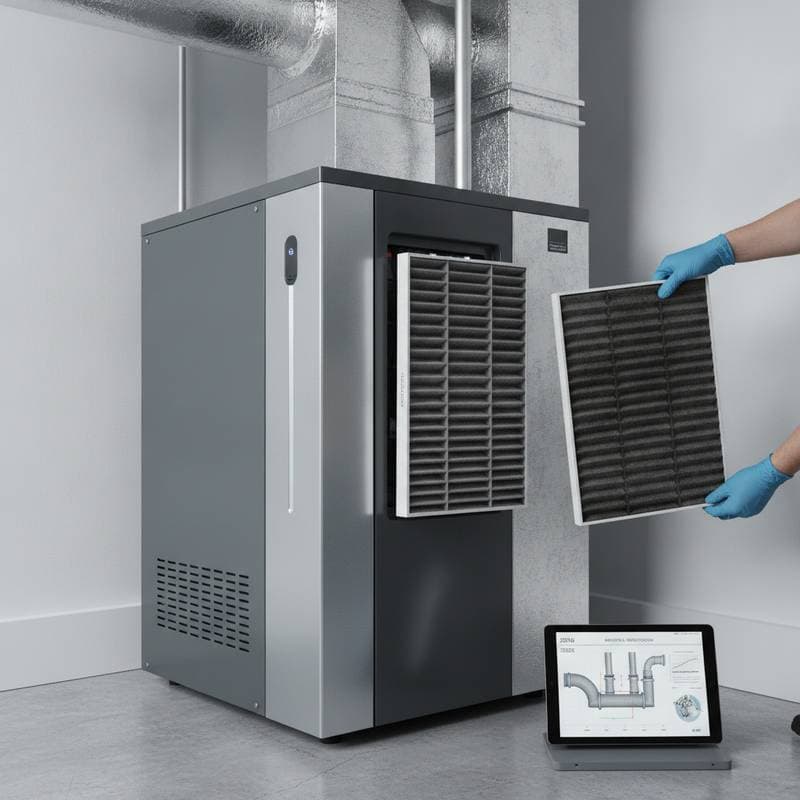
- Open the filter compartment near the return or air handler
- Note airflow direction arrows on the old filter
- Confirm size markings and obtain an identical replacement
- Insert the new filter with arrows pointing toward the blower
- Close the compartment and restore power
Manufacturer instructions should be consulted for models that use multiple filters or custom housings. A loose fit allows unfiltered air to bypass the media.
Factors That Shorten Filter Life
Several conditions accelerate clogging. Pet dander, outdoor pollution events, larger household occupancy, and continuous fan operation all increase particle load. Recording each change date alongside observed performance helps refine the schedule over successive seasons.
Cost Comparison Across Filter Types
| Filter Type | Typical Price Range | Expected Lifespan | Filtration Quality |
|---|---|---|---|
| Fiberglass | Low | One month | Basic |
| Pleated | Moderate | Two to three months | Good |
| Electrostatic | Higher | Three to six months | Excellent |
| Reusable | High initial cost | Up to one year with care | Variable |
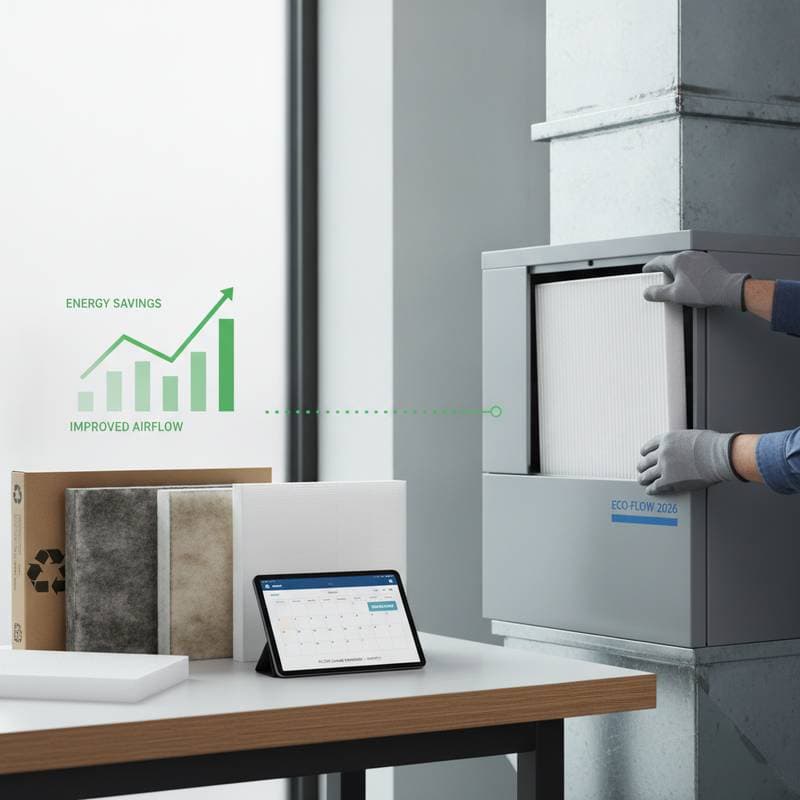
Homes that maintain clean filters can reduce HVAC energy consumption by as much as fifteen percent. The savings accumulate quickly when compared with the modest price of regular replacements.
Practical Habits Shared by Technicians
Technicians recommend storing spare filters in an accessible location and marking the next due date on the filter frame itself. Pairing the task with other monthly checks, such as smoke detector tests, creates a reliable routine that prevents oversight.
Extending System Longevity
Filter care forms one part of a broader maintenance approach. Monthly vent cleaning, annual professional inspections, and duct sealing all contribute to sustained efficiency. A written log of these activities provides useful documentation for future troubleshooting or property transfers.
Establishing a Reliable Filter Care Routine
Consistent attention to filter condition supports lower energy use, cleaner air, and extended equipment life. Five minutes of monthly inspection followed by timely replacement delivers these benefits throughout the year.