Fall HVAC Filter Schedule for Peak Efficiency
Seasonal HVAC maintenance keeps indoor air clean and system performance steady. Fall marks the shift from cooling to heating. The condition of the air filter directly affects both comfort and efficiency.
A well timed filter schedule prevents blocked airflow. It reduces strain on fans and compressors. Utility costs stay predictable as a result.
Pricing Models and Structures
HVAC filter replacements follow several pricing models. Homeowners select options based on convenience and frequency of use.
Hourly Rates Versus Flat Fees
Technicians charge labor rates from 75 to 150 dollars per hour. Some providers offer flat fees for filter replacement within a tune up package. These fees range from 100 to 250 dollars and cover inspection plus basic cleaning.
Per Unit or Project Based Pricing Models
Households that handle their own changes buy filters per unit. Multi pack options of three or six filters deliver savings of 10 to 30 percent over single purchases. Project based pricing covers service contracts that include full cleaning, filter change, and airflow testing.
Bundle or Package Pricing Strategies
Companies create seasonal packages that combine filter replacement with duct inspection. These bundles cost 200 to 400 dollars based on home size and vent count. Some packages add thermostat calibration or coil cleaning to extend system life.
Subscription Versus One Time Service Costs
Subscription services ship filters every one, two, or three months. Monthly costs range from 12 to 35 dollars. Subscriptions reduce the risk of missed replacements yet may exceed bulk purchase costs over a full year.
Key Variables Influencing HVAC Filter Pricing
Several factors determine total spending during fall maintenance.
- Scope or size of the system. Larger homes with multiple zones need more filters.
- Complexity and skill level required. Older systems or tight access panels increase labor time.
- Time required for completion. A simple change takes minutes while a full inspection lasts one to two hours.
- Materials or equipment needed. Pleated synthetic filters cost more than fiberglass. Washable electrostatic filters add cleaning supplies and drying time.
Creating a Fall Filter Schedule for Peak Efficiency
A consistent schedule maintains HVAC performance through the heating season. Timing depends on filter type, household conditions, and system usage.
Step 1: Identify Filter Type and Rating
Check the MERV rating on the filter. Ratings from MERV 5 to 8 suit homes without pets or allergies and require replacement every two to three months. Higher ratings such as MERV 11 or 13 capture smaller particles and last three to six months.
Step 2: Account for Household Factors
Homes with pets, smokers, or allergy sufferers need more frequent changes. Pet dander and fine dust clog filters quickly when heating runs daily. Monthly checks prevent airflow restriction in these conditions.
Step 3: Build a Seasonal Rotation
Divide the year into four maintenance intervals. The fall interval includes a pre season inspection, filter replacement, and airflow test before temperatures drop.
Step 4: Track with Smart Reminders
Smart thermostats and mobile apps alert homeowners when airflow resistance rises. These tools use runtime data to predict filter wear more accurately than fixed dates.
Step 5: Use Visual Checks
Hold the filter to a light source. Replace it when light passes through with difficulty. This test works for both pleated and fiberglass filters.
Sustainable and High Performance Options
Eco conscious homeowners choose filters made from recyclable or biodegradable materials. These options cost 10 to 20 percent more yet reduce landfill waste. Washable electrostatic filters eliminate disposable waste entirely though they require cleaning every few weeks.
Carbon infused filters absorb odors from cooking and pets. They cost 15 to 25 dollars more than standard pleated filters. Select filters that combine high MERV ratings with low pressure drop to maintain strong airflow.
Comparing DIY and Professional Maintenance
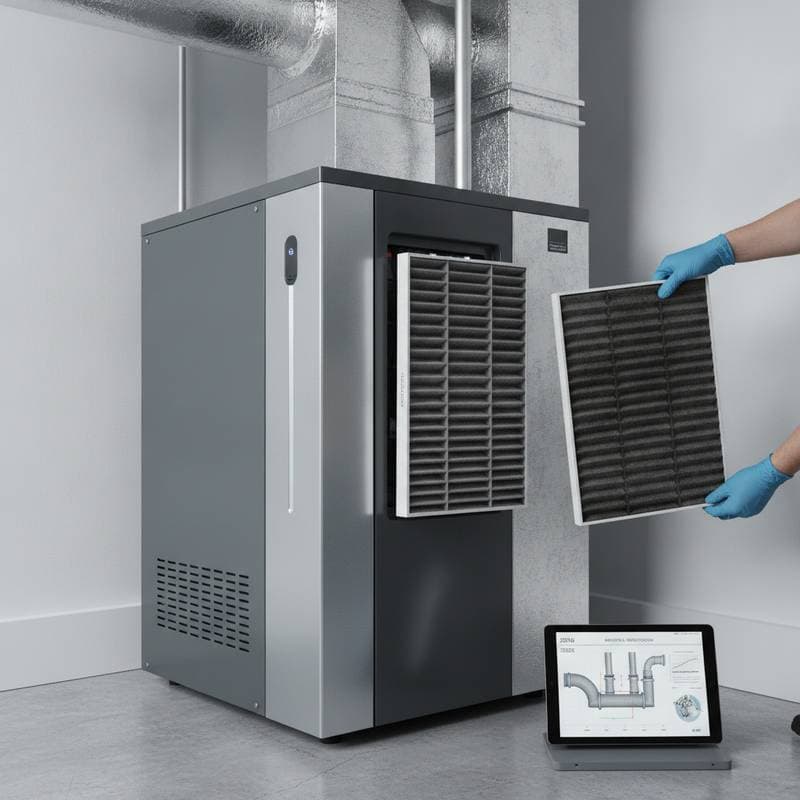
DIY replacement works for accessible systems. Professional service provides measurable benefits through performance testing and safety checks. Technicians identify early wear, misaligned ducts, or pressure imbalances that cause uneven heating.
Studies show professional maintenance can reduce annual heating costs by up to 12 percent compared with unassisted DIY schedules. Homeowners who prefer DIY should still schedule one professional tune up each year to verify calibration and refrigerant levels.
Common Mistakes to Avoid
- Ignoring filter size labels. Incorrect sizing lets air bypass the filter and contaminate coils.
- Using overly dense filters in older systems. Very high MERV ratings restrict airflow and raise energy use.
Implementing Your Fall Maintenance Plan
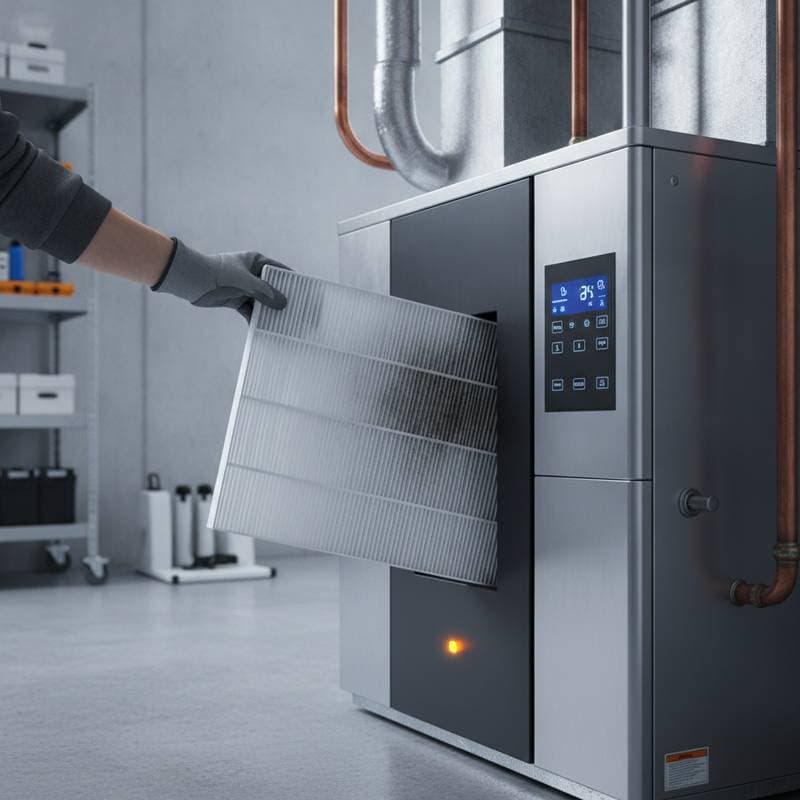
Follow the steps above to establish a reliable filter routine. Consistent attention to filter condition supports steady airflow and lower energy use throughout the heating season.