2026 AC Maintenance Checklist to Prep for Summer Heat
A reliable air conditioning system supports comfort when outdoor temperatures rise. Proper upkeep keeps cooling consistent, manages operating costs, and supports healthy indoor air. Completing key tasks before peak heat arrives reduces the chance of unexpected failures.
Quick Maintenance Checklist
- Replace air filters on a monthly schedule during active use.
- Inspect and clean evaporator and condenser coils.
- Verify insulation on refrigerant lines and check for leaks.
- Clear the condensate drain line of blockages.
- Seal duct joints and remove obstructions.
- Confirm thermostat accuracy and operation.
- Arrange an annual professional system inspection.
Inspect and Replace Air Filters
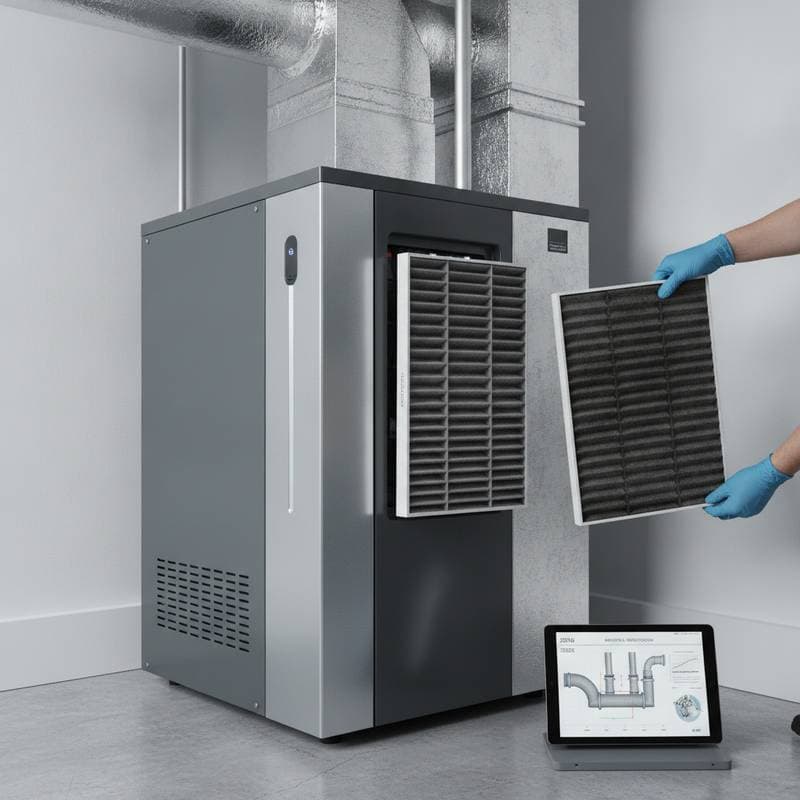
Begin with the air filter because it directly affects airflow and component wear. A clogged filter forces the blower motor to work harder and reduces cooling output.
Turn the system off before opening the filter compartment, which is typically located near the return vent. Remove the old filter, note its size, and install a new one that matches the unit specifications. Repeat this check monthly while the system runs regularly.
Clean the Coils
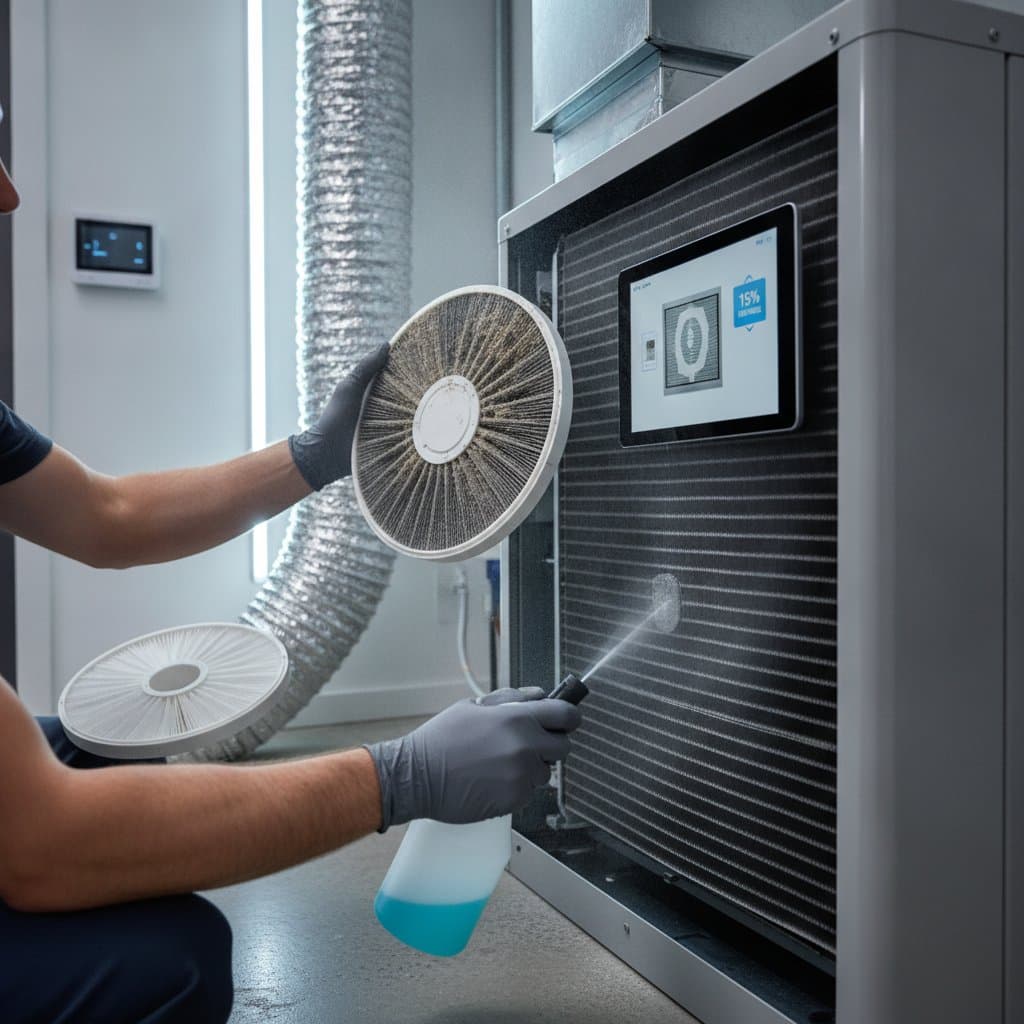
Dust and debris accumulate on both the indoor evaporator coil and the outdoor condenser coil. Restricted coils lower heat transfer and raise energy use.
Shut off power to the unit, then use a soft brush or a coil cleaning solution to remove buildup. Rinse the outdoor coil with low pressure water and allow it to dry completely before restoring power. Perform this cleaning at the start of each cooling season.
Check the Refrigerant Lines
Refrigerant travels through insulated copper tubing between the indoor and outdoor sections. Damaged insulation or visible oil residue indicates potential leaks that reduce capacity.
Examine accessible lines for cracks or missing insulation. Any suspected leak requires attention from a certified technician because refrigerant handling demands specialized tools and licensing.
Clear and Test the Condensate Drain
Moisture removed from indoor air exits through a drain line that can become blocked by algae or sediment. A clogged line leads to water overflow and potential mold growth.
Locate the access port near the indoor coil and pour a cup of distilled vinegar into the line. Follow with a wet vacuum at the exterior outlet to clear debris. Verify free flow during the next cooling cycle.
Evaluate Ductwork for Leaks and Blockages
Conditioned air escapes through gaps in duct joints or blocked vents, causing the system to run longer. Sealing these openings improves delivery of cooled air to living spaces.
Feel for air movement at connections while the system operates. Apply mastic sealant or metal tape to gaps and remove any furniture or debris blocking supply registers. Professional testing can locate hidden leaks that affect overall efficiency.
Schedule a Professional Tune Up
A yearly service visit addresses items that require specialized instruments. Technicians measure refrigerant charge, test electrical components, and calibrate controls.
Select a company that offers seasonal maintenance agreements. These plans often provide scheduled visits and reduced rates on parts when repairs become necessary.
Protect System Performance Long Term
Complete the listed tasks before sustained warm weather begins so parts and service remain readily available. Record each maintenance action to support warranty requirements. Homeowners who combine routine self checks with periodic professional service experience fewer interruptions and steadier operating costs throughout the season.