Seasonal HVAC Filter Swaps Reduce Energy Use
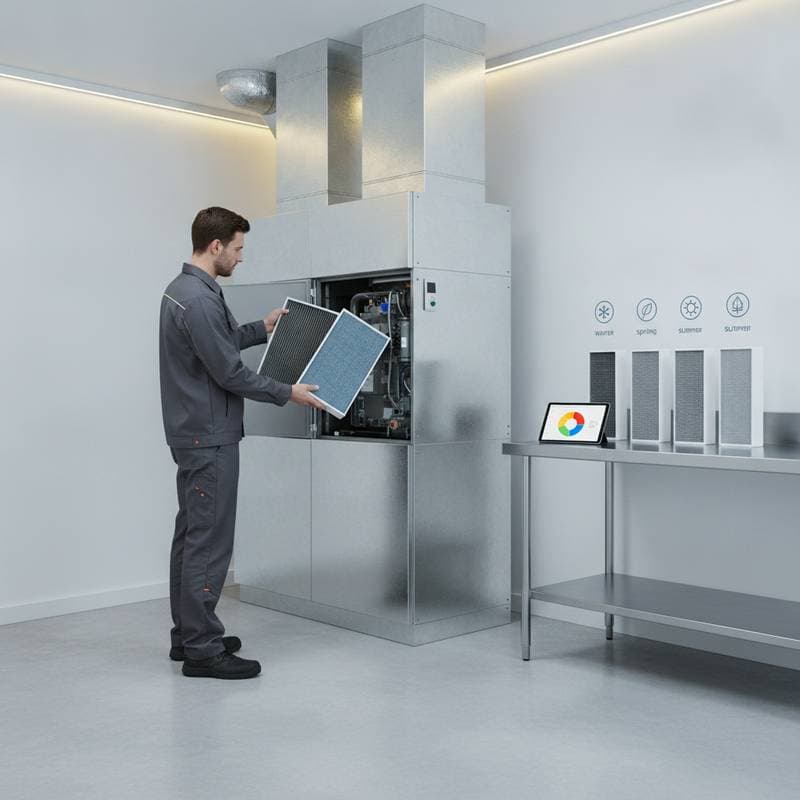
Regular filter maintenance forms a practical step toward lower utility bills and improved indoor air. Homeowners who follow a seasonal schedule often report measurable reductions in energy consumption. This approach also supports system longevity and consistent air quality throughout the year.
Core Benefits of Timely Replacements
- Reduced strain on the blower motor leads to lower electricity draw.
- Cleaner airflow prevents dust buildup on coils and other components.
- Improved filtration captures more allergens and particulates.
- Consistent performance helps avoid costly emergency repairs during peak seasons.
Filter Types and Selection Criteria
Pleated filters with a MERV rating between 8 and 13 balance airflow and particle capture for most residential systems. Fiberglass options allow higher airflow yet remove fewer contaminants. Homeowners should match the filter dimensions exactly to the unit specifications printed on the current filter frame.
Higher MERV ratings increase filtration but can restrict airflow if the system fan lacks sufficient power. Consult the equipment manual before upgrading. Replacement intervals remain the same regardless of rating when household conditions stay constant.
Spring Replacement Protocol
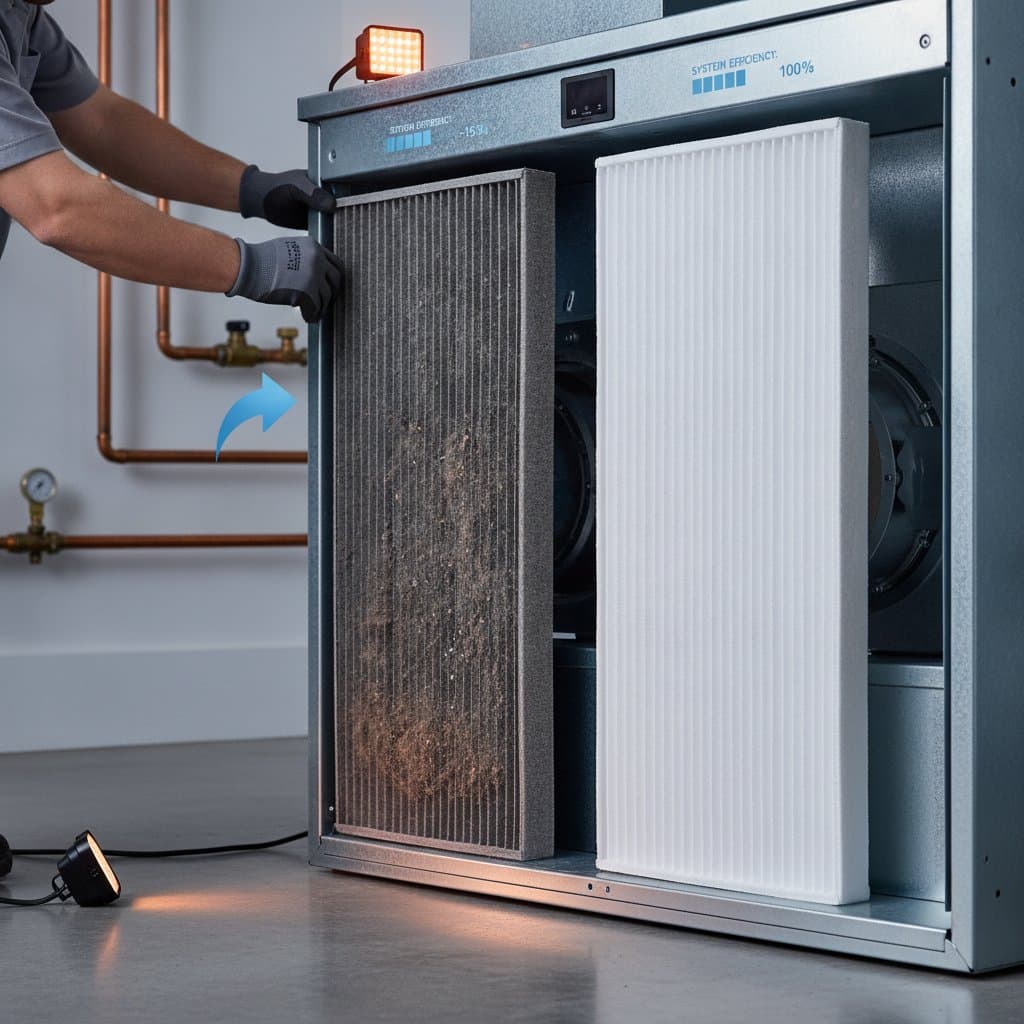
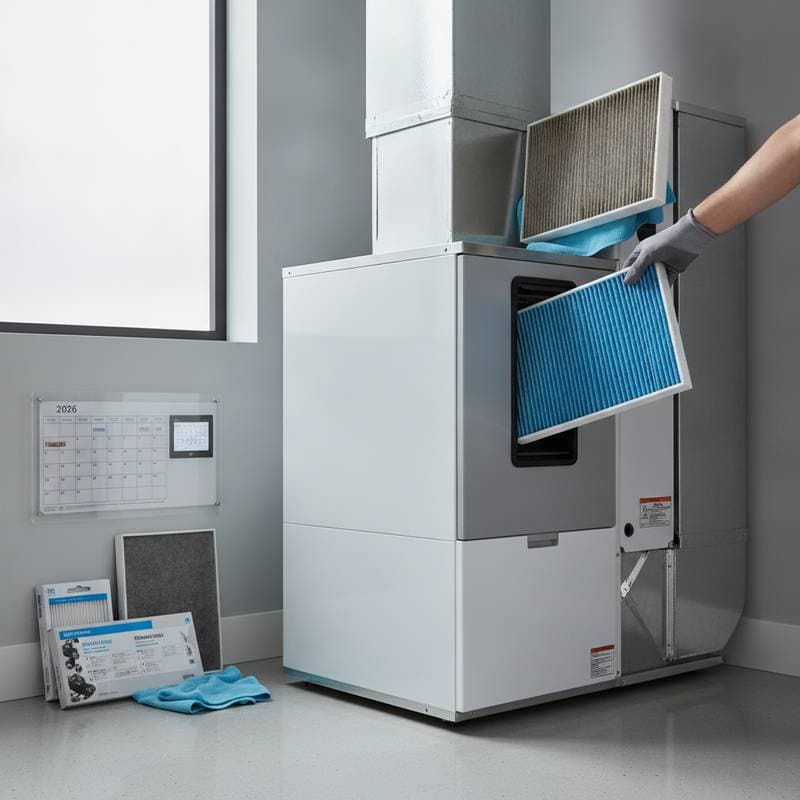
Spring pollen counts rise quickly and load filters within weeks. Remove the old filter and note its installation direction before inserting the new one. Wipe the filter housing with a damp cloth to clear residual debris.
Run the system on fan-only mode for several minutes after installation. This step confirms proper seating and removes any loose particles. Schedule the next inspection for early summer when cooling demand increases.
Summer Replacement Protocol
High humidity and continuous operation accelerate filter loading during summer months. Check filters every four weeks in households with pets or high occupancy. Replace sooner if airflow feels restricted or if indoor humidity rises unexpectedly.
Document the date of each swap on a calendar or maintenance log. This record helps identify whether six week or eight week intervals suit the specific environment. Keep spare filters stored in a dry location to avoid delays.
Fall Replacement Protocol
Falling leaves and increased indoor activity introduce new contaminants in autumn. Perform a thorough inspection before heating season begins. Vacuum around return vents to minimize the load on the fresh filter.
Consider a slightly higher MERV rating for fall if allergy symptoms persist. Verify that the new filter does not cause the system to short cycle. Adjust the thermostat schedule after confirming stable operation.
Winter Replacement Protocol
Heating systems recirculate air more frequently in winter and collect fine dust from closed windows. Inspect filters monthly when outdoor temperatures remain below freezing. Replace at the first sign of reduced airflow to maintain even room temperatures.
Avoid letting filters reach full saturation during holiday periods when guests increase indoor activity. Stock an extra filter before winter travel to ensure prompt replacement upon return.
Monitoring and Adjustment Practices
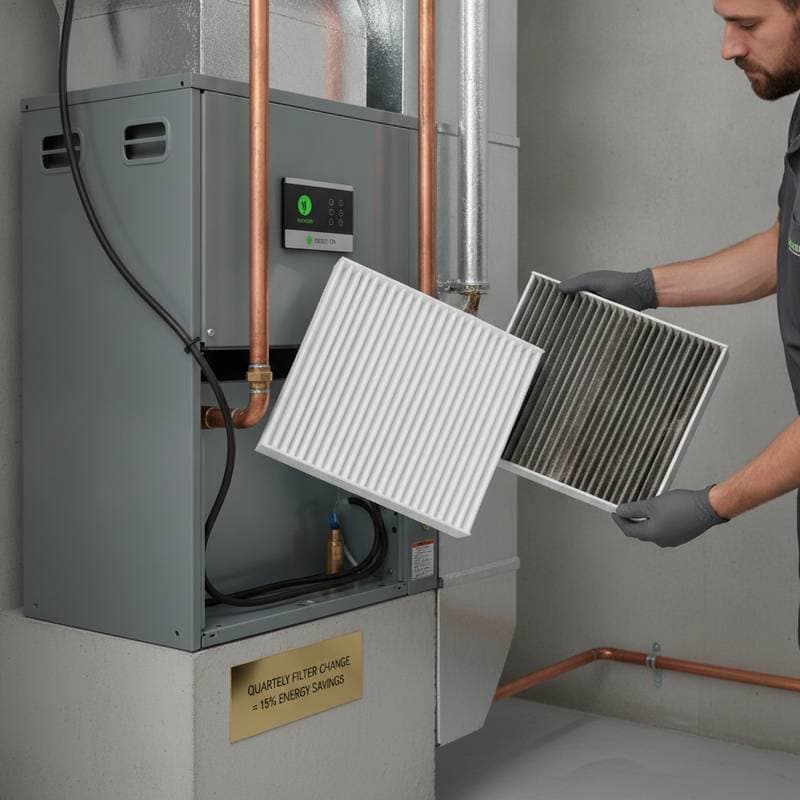
Observe energy bills after each seasonal change to quantify savings. A 15 to 20 percent reduction often appears within two billing cycles when filters stay clean. Note any unusual system noises that may indicate improper filter fit.
Adjust replacement frequency based on local air quality reports and household factors. Homes near construction sites or agricultural areas may require more frequent attention. Professional tune ups every two years confirm that the overall system continues to operate at peak efficiency.