Fall Chimney Inspection Costs and Safety Checklist
Before lighting the first fire of the season, schedule a professional chimney inspection. This step confirms that the system operates safely and efficiently throughout the colder months. Autumn provides the best window for such work because technicians can address problems before demand increases.
Reasons to Inspect in Autumn
Scheduling service now prevents unexpected closures during peak heating periods. Weather remains mild enough for exterior access and interior evaluations. Early detection also allows time to order parts or schedule masonry repairs.
Homeowners gain peace of mind knowing the fireplace meets current safety standards. Regular inspections reduce the risk of carbon monoxide exposure and chimney fires. They further protect the long-term value of the home by catching deterioration early.
Three Levels of Chimney Inspections
Technicians follow standardized levels that match the condition of each system.
Level One Inspection
A Level One review covers all readily accessible areas. The technician examines the firebox, damper, and visible flue surfaces. This basic service suits homes with no recent changes or known issues.
Level Two Inspection
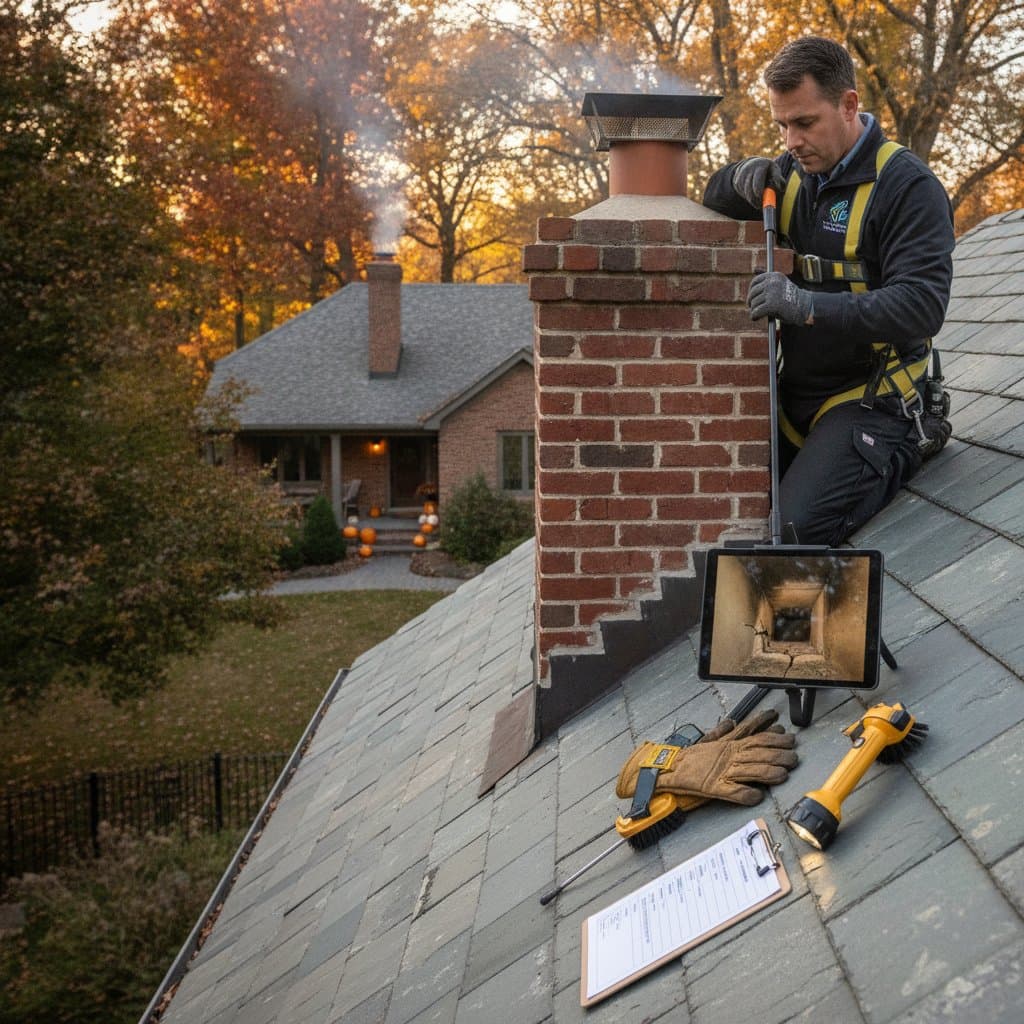
A Level Two inspection adds video scanning of the flue interior. It becomes necessary after storms, earthquakes, or when selling a property. The camera reveals cracks, creosote buildup, and obstructions that remain hidden during a visual check.
Level Three Inspection
A Level Three inspection involves removal of masonry or components to reach concealed sections. It applies when previous levels indicate serious structural concerns. This step supplies definitive information before major restoration begins.
Typical Inspection Costs
National averages for 2026 place a Level One inspection between 120 and 250 dollars. Level Two services range from 200 to 500 dollars because of camera use. Level Three work often starts at 800 dollars and rises with the extent of disassembly required.
Additional fees may apply for travel, weekend appointments, or detailed written reports. Many companies bundle the first cleaning with the inspection at a reduced rate. Homeowners should request itemized quotes that list every service included.
Common Problems Uncovered During Fall Inspections
Creosote accumulation ranks among the most frequent findings. Animal nests and debris also appear regularly in unused flues. Cracked flue tiles allow heat and gases to reach combustible framing.
Rusted dampers and damaged crowns permit water intrusion that accelerates brick decay. Settled foundations can shift the chimney out of plumb and create dangerous gaps. Early identification keeps repair costs lower than emergency winter service.
Fall Chimney Safety Checklist
- Confirm the inspection occurs before the first planned fire.
- Verify that the technician holds current certification from a recognized body.
- Request a written report that includes photographs and repair recommendations.
- Clear the area around the fireplace of furniture and decorations beforehand.
- Note any unusual odors or draft problems to discuss during the visit.
- Schedule any required cleaning or repairs within two weeks of the inspection.
- Keep a copy of the report for insurance and future reference.
Steps After the Inspection
Follow the written recommendations promptly to restore full function. Budget for both immediate fixes and preventive maintenance listed for the coming year. Keep records of all work performed to demonstrate compliance with safety guidelines.
Homeowners who complete these tasks enjoy reliable heat and lower risk throughout winter.