- Time for Completion: A simple cleaning can take under an hour, while a comprehensive service may take up to three hours. Labor time directly affects total cost.
- Materials and Equipment: Replacement filters, belts, and lubricants are usually included in basic pricing, but specialized components like flame sensors or igniters add extra fees.
Add On Services and Supplemental Charges
Some maintenance tasks go beyond standard tune ups but can significantly improve performance and efficiency.
- Duct Cleaning: Professional duct cleaning can cost between 300 and 600 dollars depending on home size. Clean ducts improve airflow and reduce dust circulation.
- Thermostat Upgrade: Installing a programmable or smart thermostat may cost 150 to 300 dollars including labor. This upgrade can optimize temperature control and reduce energy waste.
- Humidifier or Air Purifier Installation: Adding indoor air quality equipment costs 400 to 800 dollars on average. These systems help balance humidity and filter pollutants during the heating season.
- Expedited or Priority Scheduling: Some companies charge an extra 50 to 100 dollars for same day or after hours appointments. Signing up for a maintenance plan often waives these fees.
Steps for a Thorough Fall Furnace Tune Up
A detailed inspection should include several key checks. While some tasks are safe for homeowners, others require professional tools and expertise.
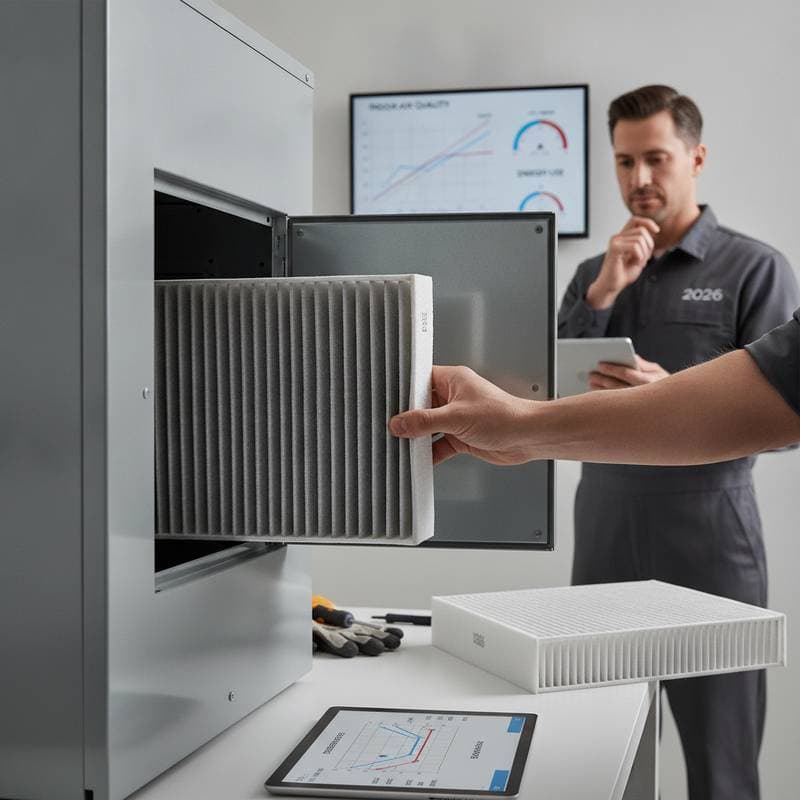
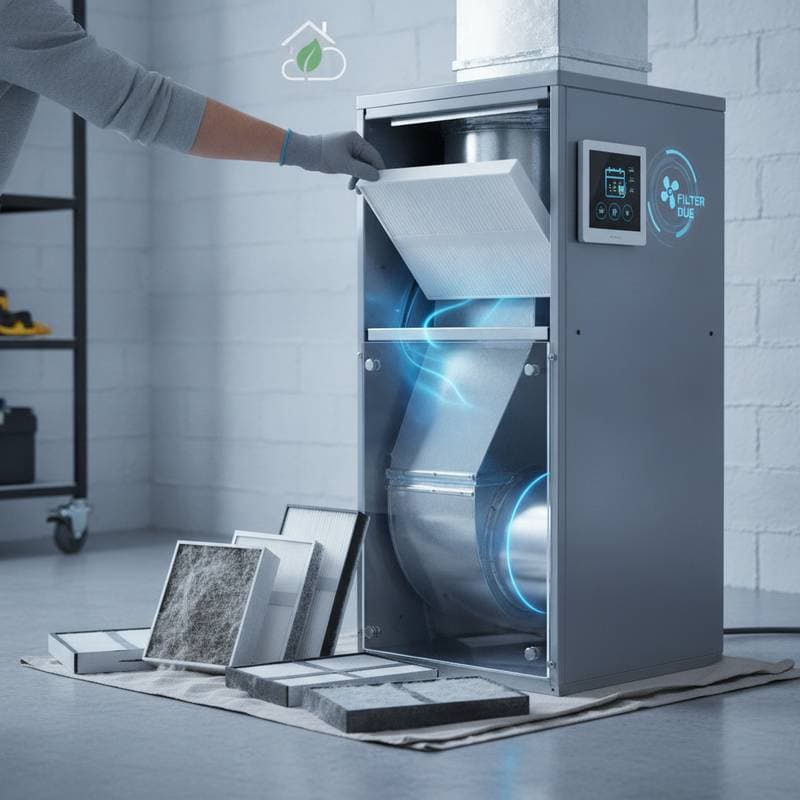
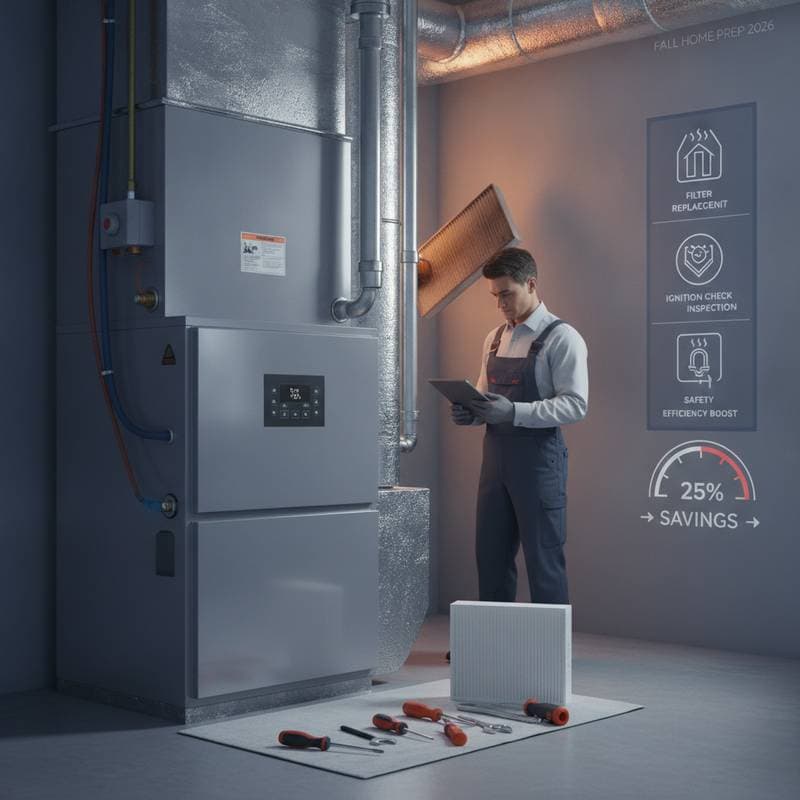
- Replace or Clean Air Filters: Dirty filters force the furnace to work harder, raising energy use. Filters should be replaced every one to three months based on type and household conditions.
- Inspect the Thermostat: Ensure the thermostat reads accurately and communicates properly with the system. Programmable models should be tested for schedule accuracy.
- Clean the Blower Assembly: Dust buildup on the blower blades reduces airflow efficiency. A technician can remove debris and lubricate moving parts for smoother operation.
- Check Electrical Connections: Loose wiring or corroded terminals can cause malfunctions. Professional technicians tighten connections and verify voltage levels for safety.
- Examine the Heat Exchanger: Cracks or corrosion in the heat exchanger can cause carbon monoxide leaks. This inspection requires professional expertise and should never be skipped.
- Test Ignition and Burner Operation: The ignition system should light quickly and produce a steady flame. Any delay or irregular burn pattern signals a need for adjustment or cleaning.
- Inspect Air Vents and Ducts: Blocked vents reduce airflow and strain the furnace. Ensure all registers are open, clean, and unobstructed by furniture.
- Assess Carbon Monoxide Levels: Technicians use sensors to detect any leaks from the furnace or flue system. Installing a carbon monoxide detector near the unit adds an extra safety layer.
Preventing Common Furnace Issues
Preventive maintenance reduces emergency calls and costly repairs. The most frequent issues arise from neglecting simple tasks like filter replacement or thermostat calibration. Dirty filters cause overheating, while poor airflow leads to blower strain. Loose electrical connections can trigger short cycling or system shutdown.
Nearly 70 percent of furnace failures could be avoided with regular maintenance. Keeping a consistent schedule and documenting service dates helps track performance and identify patterns before major issues develop.
The Value of Professional Expertise
While homeowners can handle basic cleaning and filter changes, professional technicians bring diagnostic tools and safety expertise that ensure reliability. Certified HVAC professionals test combustion efficiency, verify gas pressure, and inspect electrical systems under load. These checks prevent hazards that might go unnoticed by untrained individuals.
Many technicians are certified by organizations such as NATE or HVAC Excellence. Hiring certified professionals ensures the work meets safety and performance standards. A reputable provider will also guarantee their work and provide detailed service reports.
Comparing Service Providers
When choosing an HVAC company, transparency and reliability matter as much as cost. Look for providers with clear service checklists, verified reviews, and proof of insurance. Ask whether their technicians are bonded and licensed, and request a written estimate before scheduling work.
Some companies offer tiered maintenance memberships that include discounts on repairs, annual inspections, and priority scheduling. These plans can make sense for homeowners who prefer predictable costs and consistent service history.
Customers enrolled in maintenance programs report 30 percent fewer emergency calls compared to those who schedule one time visits. This consistency improves system longevity and ensures timely filter and component replacements.
Energy Efficiency and Sustainability Considerations
Eco friendly HVAC practices benefit both the environment and the budget. Regular tune ups help reduce fuel consumption and emissions. Replacing old filters and cleaning ducts improve airflow, which lowers energy use.
Some homeowners invest in high efficiency furnaces with AFUE ratings above 90 percent. While these systems cost more upfront, they can reduce heating expenses by as much as 20 percent over time. Regular maintenance keeps these advanced systems running at peak efficiency.
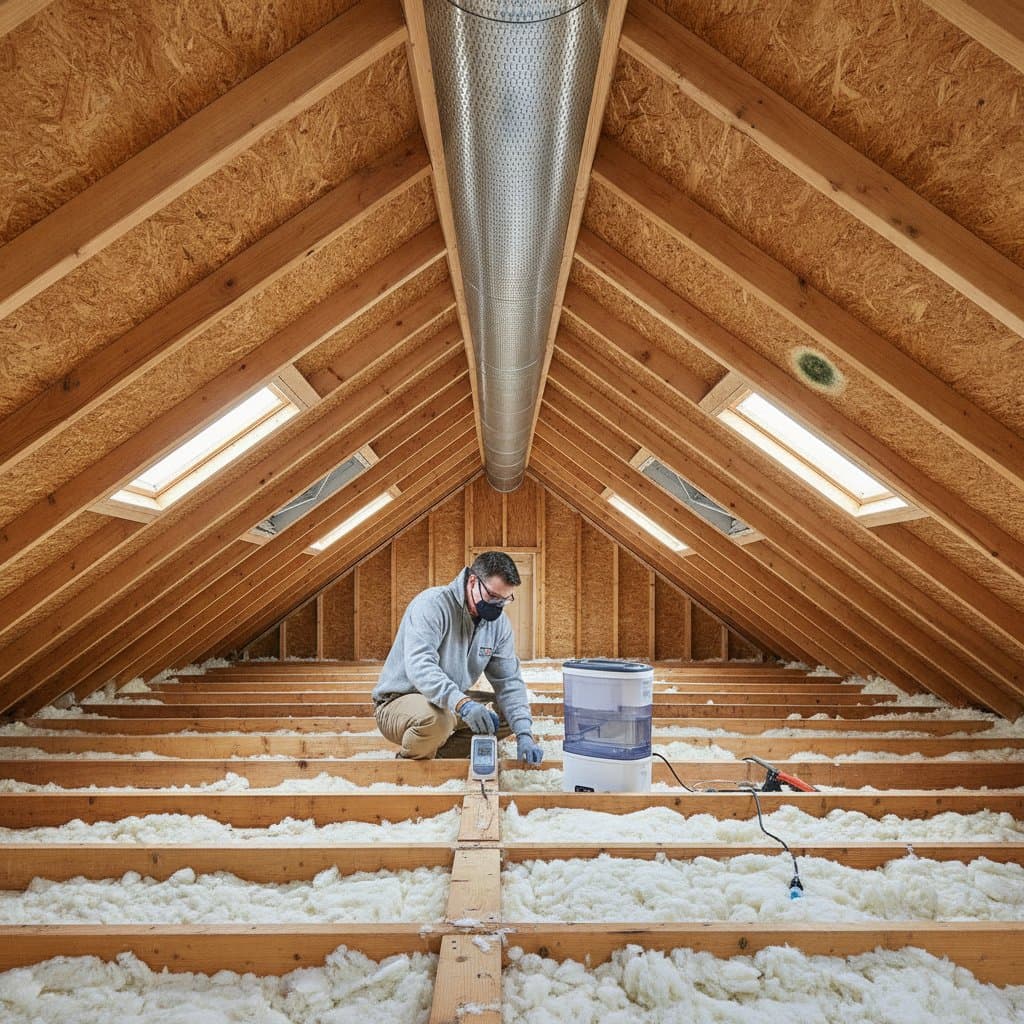
Technicians may also recommend sealing duct leaks or upgrading insulation to reduce heat loss. These improvements complement furnace maintenance and enhance overall home comfort.
Scheduling and Timing Tips
The best time for a furnace tune up is early in the fall before the first extended cold spell. Scheduling early ensures availability and avoids waiting during peak demand. Many service providers offer discounts for preseason appointments.
Creating a maintenance calendar helps maintain consistency. Marking filter replacement dates and annual checkups on a household planner or smartphone reminder ensures the system receives attention at the right intervals. Consistency is key to extending equipment life and preventing costly breakdowns.
Taking Action Now
Start by checking your filter and thermostat, then schedule a professional inspection before cold weather sets in. Review service plans from local HVAC providers and choose one that offers transparent pricing and certified technicians.