Greywater System Cost: Save With Rebates and Installation
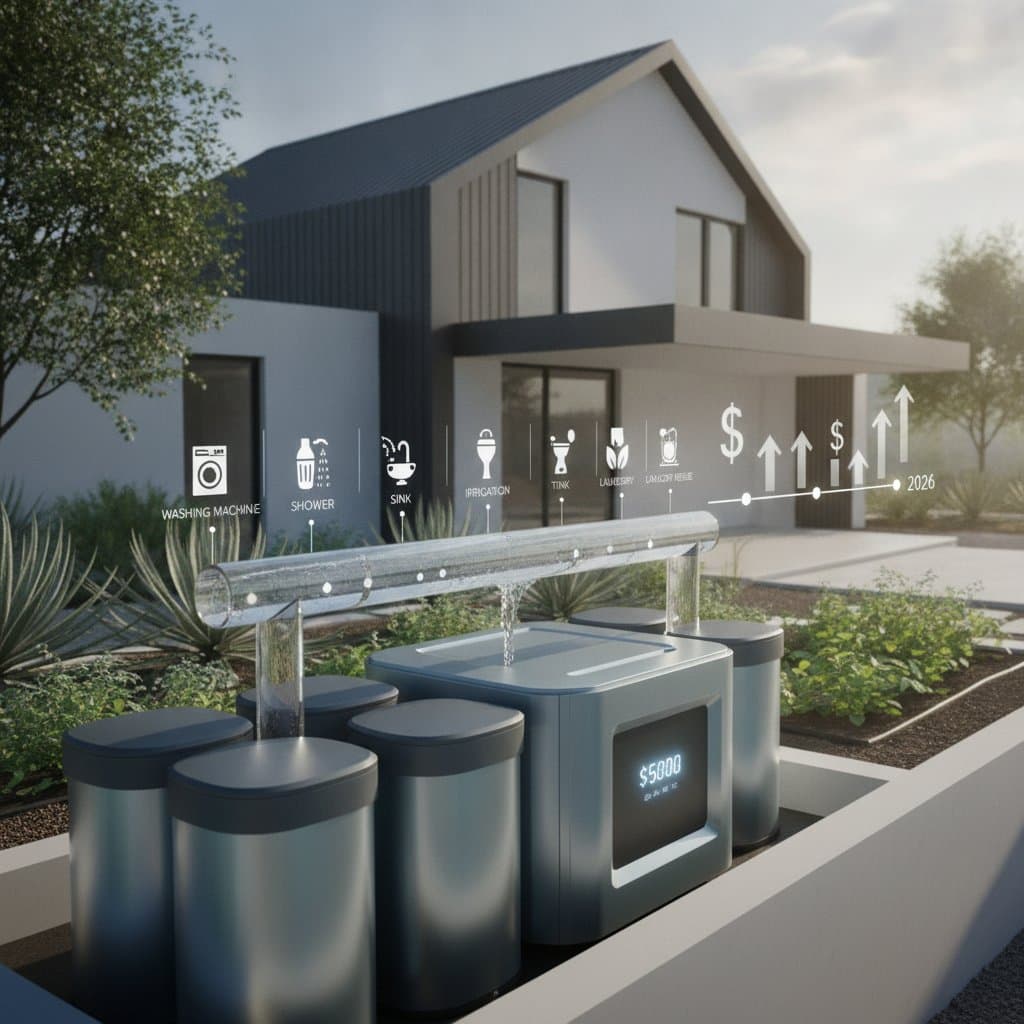
A greywater system captures gently used water from showers, bathroom sinks, laundry machines, and tubs, then redirects it for landscape irrigation. Homeowners often wonder whether the water savings justify the upfront investment.
A typical residential greywater system costs between $1,500 and $8,000 installed. Simple laundry-to-landscape setups fall at the lower end of this range. Whole-home systems that include treatment equipment, storage tanks, pumps, permits, and complex plumbing reach the higher end. Rebates, reduced outdoor water use, and lower sewer charges can improve the financial return.
The right system depends on local regulations, soil conditions, household size, plumbing access, and the types of plants you plan to irrigate.
What Affects Greywater System Cost
Greywater prices vary because every home presents unique installation challenges. A contractor should inspect the plumbing layout, drainage plan, electrical service, and irrigation area before providing a firm estimate.
Typical cost factors include:
- System type: A direct diversion system costs less than a treated system with filters, pumps, and disinfection.
- Number of fixtures: Connecting one washing machine costs less than connecting showers, bathroom sinks, and laundry drains.
- Distance to the landscape: Short pipe runs reduce labor and trenching costs.
- Elevation changes: A pump may be necessary when the yard sits uphill from the home.
- Soil and drainage: Clay soil, compacted ground, or shallow bedrock can increase excavation and distribution costs.
- Permits and inspections: Local requirements may add application, design, and inspection fees.
- Electrical work: A pumped system may need a dedicated circuit or weather-protected outlet.
- Landscape changes: New mulch basins, irrigation lines, valves, or planting beds add to the project budget.
A basic laundry diversion may cost $1,500 to $3,000. A branched drain system serving several fixtures may cost $3,000 to $7,000. Advanced systems that filter and disinfect water can reach $8,000 to $15,000 or more.
These ranges are planning figures, not quotes. Ask each installer to separate equipment, labor, trenching, permits, electrical work, and landscape restoration.
How Greywater Recycling Works
Greywater differs from toilet waste, which is classified as blackwater. It may contain soap residue, lint, hair, grease, and microorganisms, so it still requires careful handling.
A typical system follows this path:
- Water leaves an approved household fixture.
- A diverter sends it through a separate pipe.
- A filter or settling point removes larger particles.
- A pump or gravity line moves the water outdoors.
- Mulch basins, drip lines, or subsurface emitters distribute the water.
- Overflow returns to the sewer or septic system when the landscape cannot accept more water.
Laundry systems often use a three-way valve. The valve allows the homeowner to send water to the landscape during suitable conditions or return it to the sewer when using bleach, fabric softener, or other products that may harm plants.
A well-designed system prevents ponding, runoff, odors, and contact with edible plant parts.
Rebate Opportunities That Can Lower Your Cost
Water agencies, cities, counties, and regional conservation programs may offer rebates for greywater installation. The amount and eligibility rules vary widely. Some programs support laundry-to-landscape systems, while others require a permitted whole-home design.
Before buying equipment, check these sources:
- Your local water utility
- Municipal conservation offices
- County environmental health departments
- Regional drought response programs
- State water efficiency agencies
- Community action and watershed organizations
Many rebate programs require preapproval. They may also require an approved contractor, equipment invoices, photographs, permit records, water use estimates, or a final inspection. Starting work before approval can make the project ineligible.
Ask whether the rebate applies to labor, design, equipment, trenching, irrigation conversion, or only specific components. A $2,000 rebate may cover a large share of a basic installation but a smaller portion of an advanced treatment system.
A useful budgeting formula is:
Net project cost equals total installation cost minus approved rebates and incentives.
For example, a $4,500 system with a $1,500 rebate leaves a net cost of $3,000 before any future maintenance.
Step-by-Step Installation Planning
Step One: Confirm Local Rules
Contact the building department, water utility, and health department. Rules may restrict which fixtures can be connected, where greywater can discharge, and whether storage tanks or treatment equipment require special approval.
Some jurisdictions permit simple systems under prescriptive standards. Others require plans prepared by a licensed plumber, engineer, or landscape professional.
Step Two: Choose the Best Water Sources
Showers and laundry machines usually provide useful volumes. Bathroom sinks can work when the drain contains limited grease and chemical residue. Kitchen sinks and dishwashers are usually excluded because their water contains food particles, fats, and stronger contaminants.
A household should not connect toilet drains to a greywater system.
Step Three: Estimate Available Water
Estimate daily greywater production by reviewing fixture use and household habits. A short shower, efficient washing machine, and low occupancy produce less water than a large household with frequent laundry.
Avoid designing the system around the maximum possible flow. Oversupplying a landscape can saturate soil and damage roots. The distribution area must match the soil absorption rate and plant demand.
Step Four: Design the Distribution Area
Mulch basins work well for trees and shrubs. Drip or subsurface systems may suit planting beds, but they need filtration and regular maintenance. Never allow greywater to spray into the air, pool on the ground, or flow toward neighboring properties.
Keep discharge away from foundations, wells, waterways, and areas where children or pets play.
Step Five: Install a Sewer Bypass
A bypass gives you control during storms, freezing conditions, maintenance, or periods when the landscape does not need water. This simple feature improves convenience and reduces the chance of overwatering.
DIY or Professional Installation
A capable homeowner may handle a simple laundry diversion when local rules allow it. The work can include attaching a diverter valve, routing approved pipe, creating mulch basins, and testing the flow. This approach may cost $500 to $2,000 in materials, depending on the landscape and equipment.
Professional installation is the safer choice when the project includes:
- Multiple indoor fixtures
- New plumbing inside walls
- A pump, storage tank, or treatment unit
- Electrical connections
- Septic system concerns
- Difficult excavation
- Steep slopes or poor drainage
- Permit drawings or engineering
- Shared walls, condominiums, or complex property lines
A licensed plumber can protect against cross connections, improper venting, leaks, and code violations. A landscape professional can size basins and select plants that tolerate changing moisture levels.
Request at least three itemized estimates. Confirm license status, insurance, warranty terms, maintenance requirements, and experience with permitted greywater work. Ask for references from homes with similar soil, landscape, and plumbing conditions.
Maintenance Costs and Routine Care
Greywater systems need ongoing attention. A simple system may cost $50 to $200 per year for filters, valves, replacement tubing, and minor repairs. Pumped or treated systems can require $200 to $600 annually, depending on service intervals and replacement parts.
Use a maintenance plan that includes:
- Inspecting filters each month
- Removing lint, hair, and sediment before buildup occurs
- Checking mulch basins for ponding or odors
- Flushing irrigation lines as recommended
- Testing valves and bypass controls
- Inspecting exposed pipes for leaks and sun damage
- Checking pumps for unusual noise or cycling
- Reviewing plant health and soil moisture
- Redirecting flow during heavy rain or saturated conditions
Use biodegradable, low-sodium, and low-boron soaps when possible. High sodium content can damage soil structure. Boron can harm sensitive plants even at low concentrations. Avoid sending bleach, harsh disinfectants, solvents, paint residue, and strong cleaning products into the system.
Water Savings and Payback
The financial return depends on local water rates, outdoor demand, household size, system cost, and rainfall. A greywater system can reduce demand for treated drinking water used in irrigation, but it does not eliminate all landscape watering.
Suppose a household reuses 25 gallons per day for outdoor irrigation. That equals about 9,000 gallons annually. At a combined water and sewer rate of $12 per 1,000 gallons, the direct utility savings would be about $108 per year. A $3,000 net installation would take many years to recover through billing savings alone.
In areas with high water rates, limited rainfall, or tiered pricing, the payback can be faster. Rebates improve the calculation. Homeowners should also consider drought resilience, reduced sewer discharge, healthier soil practices, and protection against future rate increases.
Do not accept claims that every home will cut utility bills by a fixed percentage. Actual savings depend on how much water the landscape uses and how reliably the system operates.
Troubleshooting Common Problems
Bad Odors
Odors usually indicate stagnant water, excess organic material, blocked filters, or poor drainage. Clean the filter, inspect the distribution area, and confirm that water is not pooling. A treatment system may need professional service.
Slow Flow
A clogged filter, kinked pipe, blocked emitter, or failing pump can restrict flow. Start with the filter and bypass valve. If pressure remains low, have the pump and distribution lines tested.
Plant Damage
Brown leaf edges or declining plants may result from salt, boron, overwatering, or unsuitable soap. Stop the flow temporarily, flush the soil with clean water when appropriate, and review product labels.
Wet Areas Near the Foundation
Redirect discharge immediately. Greywater should never saturate foundation soil. Extend the distribution area, reduce flow, improve grading, or consult a drainage professional.
System Backflow
Backflow protection and a properly designed air gap or approved separation prevent contaminated water from entering the drinking water supply. Any suspected cross connection requires prompt professional inspection.
Choosing Materials and Equipment
PVC and polyethylene piping are common choices for outdoor distribution. Select materials rated for the intended use and local conditions. UV-exposed pipe needs protection from sunlight. Buried lines require proper depth and protection from roots, traffic, and future landscaping.
Gravity systems use less energy and have fewer mechanical parts, but they need suitable slopes. Pumped systems offer more flexibility but add electrical demand, maintenance, and failure points. Treatment systems provide broader reuse options, yet filters, sensors, and disinfection equipment raise purchase and service costs.
Ask contractors to explain why each component is necessary. A larger tank or more complex treatment package is not automatically better for a single-family home.
When to Call a Professional
Contact a licensed plumber or greywater-certified contractor when your project involves multiple fixtures, new plumbing inside walls, electrical connections, or permit requirements. Professional installation protects against code violations, cross connections, and long-term maintenance issues.
Planning a Reliable Greywater System
Start by confirming local regulations and available rebates. Then select the fixtures you want to connect and estimate daily water volume. Design the distribution area to match soil absorption and plant needs. Finally, choose between DIY and professional installation based on project complexity and local requirements. A properly planned system delivers reliable water reuse while protecting your landscape and household.