Greywater System Costs for Home Drought Solutions
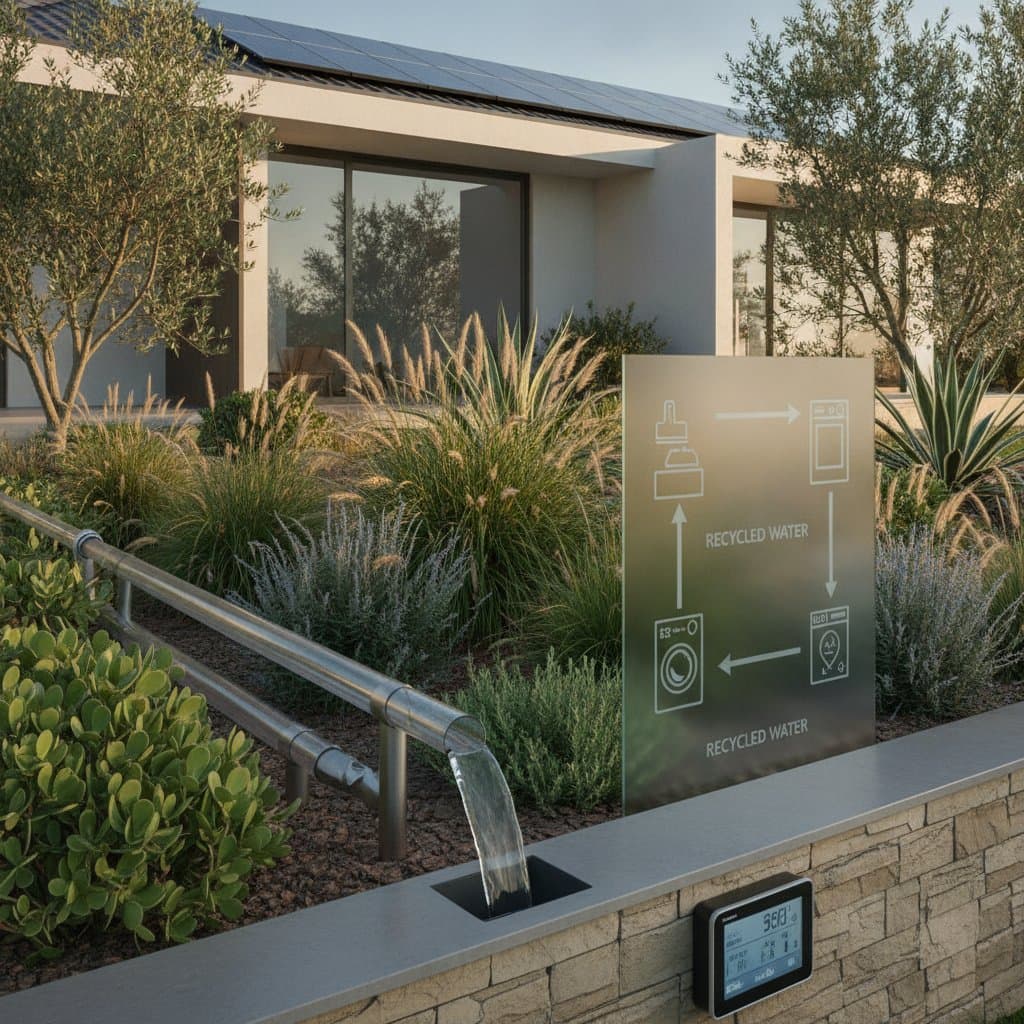
A dry season prompts many homeowners to reconsider water use. Greywater systems recycle water from sinks, showers, and laundry for irrigation or toilet flushing. This approach lowers bills and builds resilience during restrictions.
Expected Costs at a Glance
Most homes spend between 1,200 and 6,500 dollars on a greywater system. Simple laundry-to-landscape setups cost the least. Full household systems with storage and treatment reach 10,000 dollars or higher. Annual maintenance averages 50 to 250 dollars for filter cleaning and pump service.
Careful planning allows payback through water savings in five to eight years. Regions with high rates or frequent drought see faster returns.
How Greywater Systems Operate
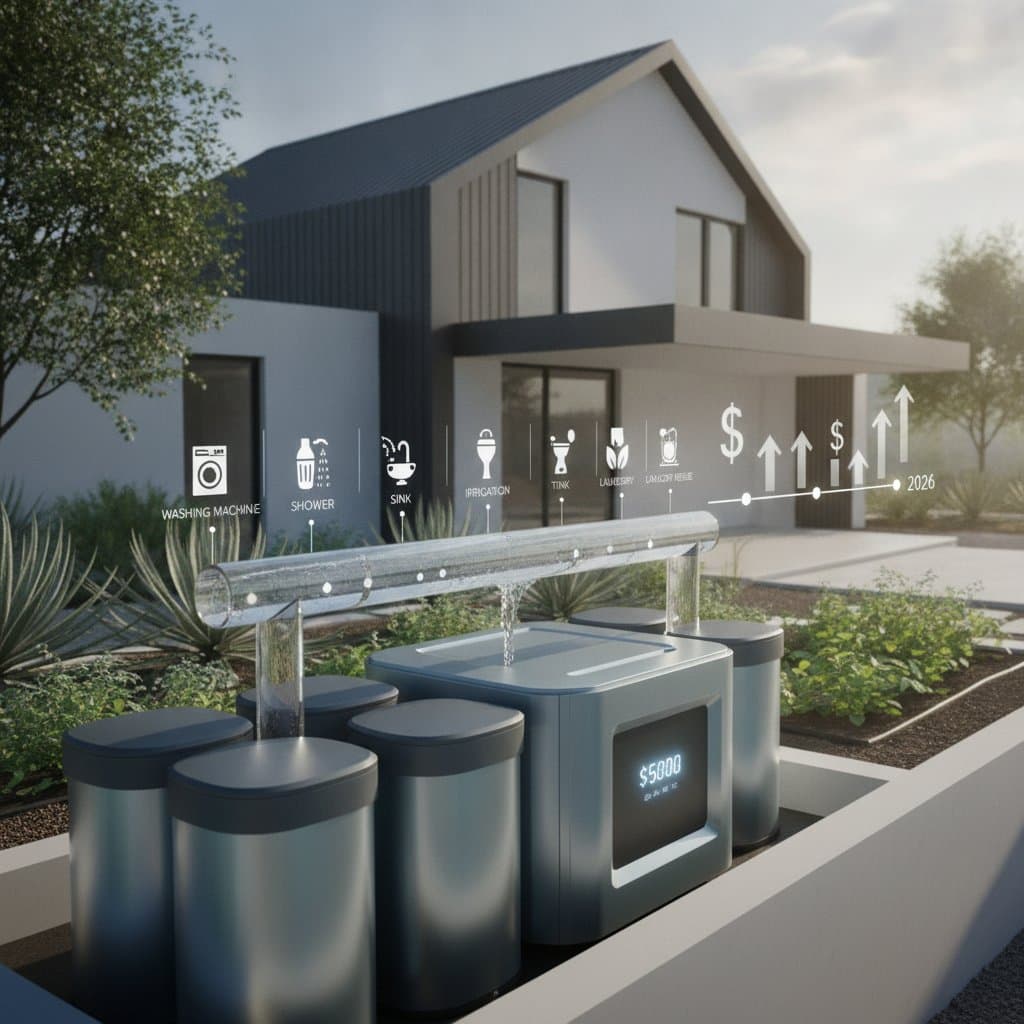
These systems collect water from bathroom sinks, showers, tubs, and washing machines. The water passes through filters before reuse in landscapes or toilets. Separation from blackwater keeps reuse safe and efficient.
Basic components include collection lines, filters, distribution pipes, optional tanks, and pumps or gravity feeds. Small setups rely on simple filters and slope. Larger designs add disinfection and automated controls.
System Types and Cost Comparison
Plumbing layout, yard slope, and household size determine the right choice.
- Laundry-to-landscape systems suit budget projects at 1,200 to 2,500 dollars.
- Branched drain designs work well on sloped lots for 2,500 to 4,500 dollars.
- Pumped systems handle flat yards at 3,500 to 7,000 dollars.
- Filtered and stored systems support whole-home needs for 6,000 to 10,000 dollars.
- Advanced treatment units fit new builds at 8,000 to 15,000 dollars.
Small yards favor laundry-to-landscape options. Properties near gardens benefit from gravity-fed branched drains. Dry climates gain most from stored systems.
Installation Cost Breakdown
Equipment includes piping at 1.50 to 3.00 dollars per foot, filters at 50 to 150 dollars, and pumps at 250 to 600 dollars. Tanks range from 300 to 1,500 dollars. Labor runs 800 to 2,500 dollars at 50 to 120 dollars per hour.
Permit fees fall between 100 and 400 dollars. Maintenance involves filter cleaning every few months and annual valve checks. Replacement parts stay under 200 dollars in most cases.
DIY Suitability and Requirements
Homeowners with moderate skills can complete basic laundry-to-landscape projects. Required tools include a drill, PVC cutter, wrenches, level, and shovel. Branched drain or stored systems need professional installation to avoid backflow or contamination.
Errors That Reduce Performance
Avoid using kitchen sink water, which clogs filters quickly. Maintain a two percent slope on gravity lines. Apply greywater sparingly to prevent plant stress. Install filters to block lint and hair. Use stored water within 24 hours.
Code and Accessibility Requirements
Local codes follow the Uniform Plumbing Code or International Plumbing Code. Backflow prevention and labeled pipes are often mandatory. Place valves and filters at reachable heights for easy operation.
Savings Timeline and Incentives
A typical household reuses 15,000 to 30,000 gallons yearly. Savings reach 60 to 240 dollars annually at four to eight dollars per thousand gallons. Payback occurs in five to eight years. Rebates from water districts can cut initial costs by 500 to 2,000 dollars.
Environmental and Property Advantages
Greywater reuse cuts household consumption by 25 to 40 percent. Nutrients in the water support garden health. Landscapes remain viable during restrictions, which can increase home value in water-scarce areas.
Situations That Require Professional Help
Call a certified installer when lines run behind finished surfaces. Multiple bathrooms or indoor toilet reuse also warrant expert design. Look for contractors approved by the Greywater Action Network.
Comparison With Other Conservation Methods
Greywater systems deliver 25 to 40 percent savings at moderate maintenance. Rainwater harvesting offers 10 to 30 percent savings. Low-flow fixtures provide 10 to 20 percent reduction at low cost. Smart controllers cut outdoor use by 15 to 25 percent. Pairing methods yields the largest overall reduction.
Routine Adjustments and Fixes
Clean filters and straighten lines to resolve slow drainage. Flush lines and change media to eliminate odors. Balance emitter rates for even coverage. Add buffer capacity to reduce frequent pump cycling.
Service Life and Upkeep Practices
Proper care extends system life to 15 or 20 years. Tubing lasts about 10 years. Pumps typically operate five to seven years. Annual inspections and timely part replacement sustain performance.
Steps to Install a Greywater System
Assess plumbing access and yard layout first. Select a system type that matches budget and goals. Secure permits before any work begins. Install components in order from collection to distribution. Test flow and filtration before regular use. Schedule recurring maintenance from day one.