Introduction
Homeowners turn to greywater systems to reduce water bills and increase home sustainability. These setups capture water from showers, bathroom sinks, and laundry machines. The captured water then supports irrigation or toilet flushing. Installation brings both environmental gains and financial savings, though expenses and permit requirements differ by location and system design.
This guide covers total costs, required permits, and the choice between self installation and professional help.
Core Components and Equipment
Every greywater system relies on several essential parts that shape performance and price.
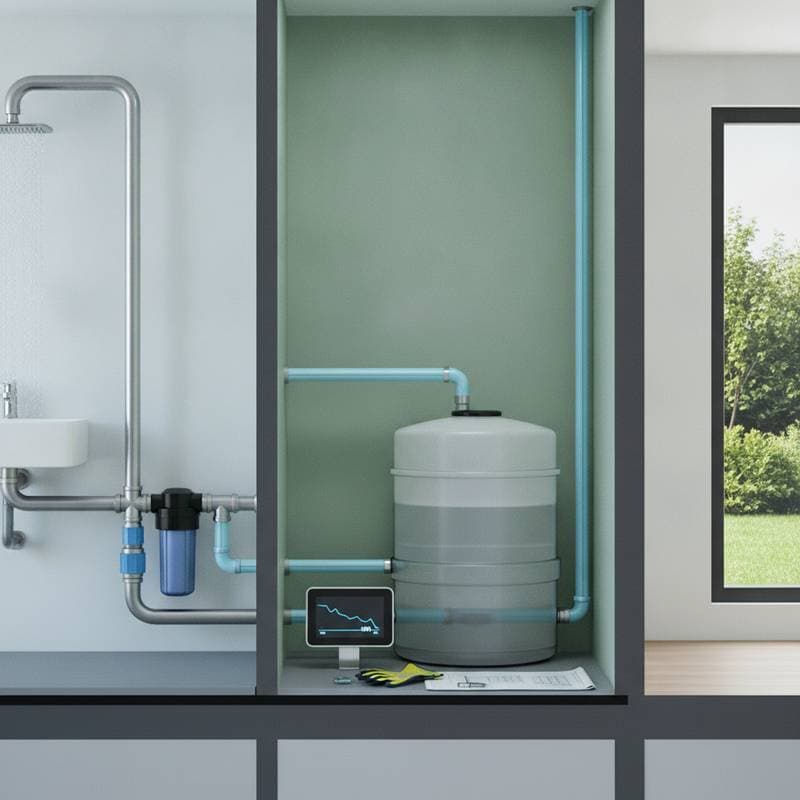
- Collection lines capture water from showers or sinks.
- Filtration units remove hair, lint, and soap residue.
- Storage tanks hold treated water until reuse.
- Distribution pumps and valves send water to irrigation lines or toilets.
Basic systems use gravity and simple filters. Advanced versions add pumps, sensors, and disinfection units. Component quality and capacity set both the initial price and future maintenance needs.
Ongoing Maintenance Costs
Greywater systems require regular attention to remain efficient. Filters need cleaning, pumps need service, and tanks need checks for buildup or odor. Annual maintenance costs range from 100 to 400 dollars for small systems and reach 1000 dollars for complex designs. Proper care typically recovers installation expenses within five to eight years through lower utility bills.
DIY versus Professional Installation
The decision between self installation and professional work depends on plumbing experience, budget, and system complexity.
DIY Approach
A basic laundry to landscape system suits experienced homeowners. Required tools include PVC piping, hose adapters, and a filtration basket. Online tutorials and local workshops provide step by step guidance.
Advantages include lower upfront cost and direct control over design. Risks involve possible code violations, leaks from poor pipe alignment, and reduced efficiency from undersized filters.
Professional Installation
Licensed plumbers or greywater specialists create systems that satisfy local codes and deliver reliable performance. They manage permits and inspections as part of the service.
Advantages include code compliance, long term reliability, and warranty coverage. Drawbacks include higher initial cost and time spent on scheduling.
Systems that connect to toilet plumbing or use automated treatment call for professional installation.
Long Term Benefits
Greywater systems deliver measurable returns. Homes with efficient recycling can cut municipal water demand by up to 40 percent and reduce sewage output by nearly 30 percent. These reductions ease pressure on local infrastructure and groundwater supplies.
Sustainable plumbing upgrades also improve resale appeal in areas with water restrictions. Buyers seek homes that combine comfort with responsible resource use.
Maintaining Your Investment
Consistent care preserves system efficiency and safety. Clean filters monthly and inspect valves on the same schedule. Flush storage tanks every few months when sediment appears. Keep written records of all service tasks for future buyers or inspectors.
Before adding treatment filters or indoor connections, consult the original installer. Each change may trigger a new inspection or permit update.
Planning Your Greywater Setup
Start by mapping household water sources and reuse goals. Check local permit rules early and compare component prices from multiple suppliers. A well planned system provides years of service while protecting community water resources.