Greywater System Costs in 2026
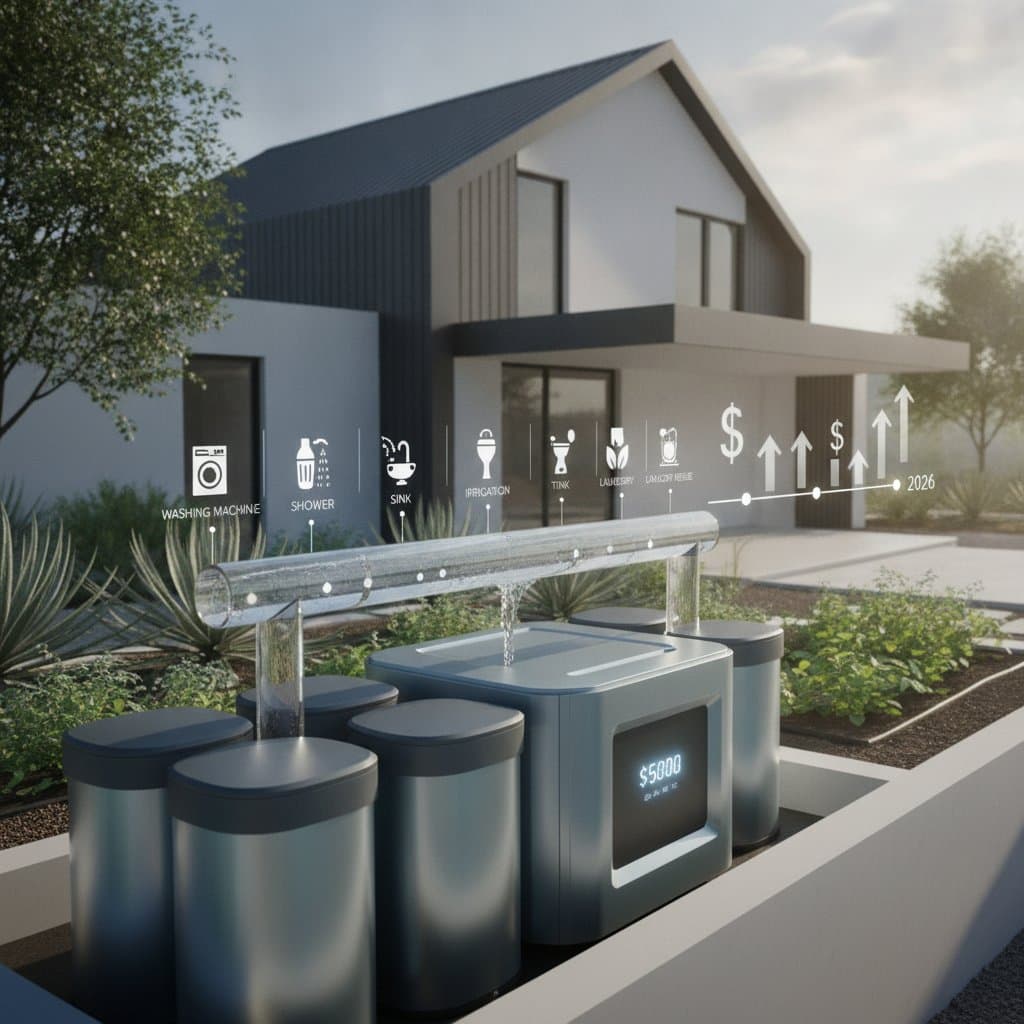
Homeowners in many regions install greywater systems to lower water bills while advancing sustainable practices. These systems capture water from showers, bathroom sinks, and laundry machines. They redirect it for irrigation or toilet flushing. Such setups reduce annual water use by thousands of gallons. Upfront expenses and permit processes often prompt questions from property owners.
Factors That Shape Total Expenses
Costs depend on system type, household capacity, and required treatment. Plan for both initial work and continued upkeep. Key influences include the following.
-
System complexity
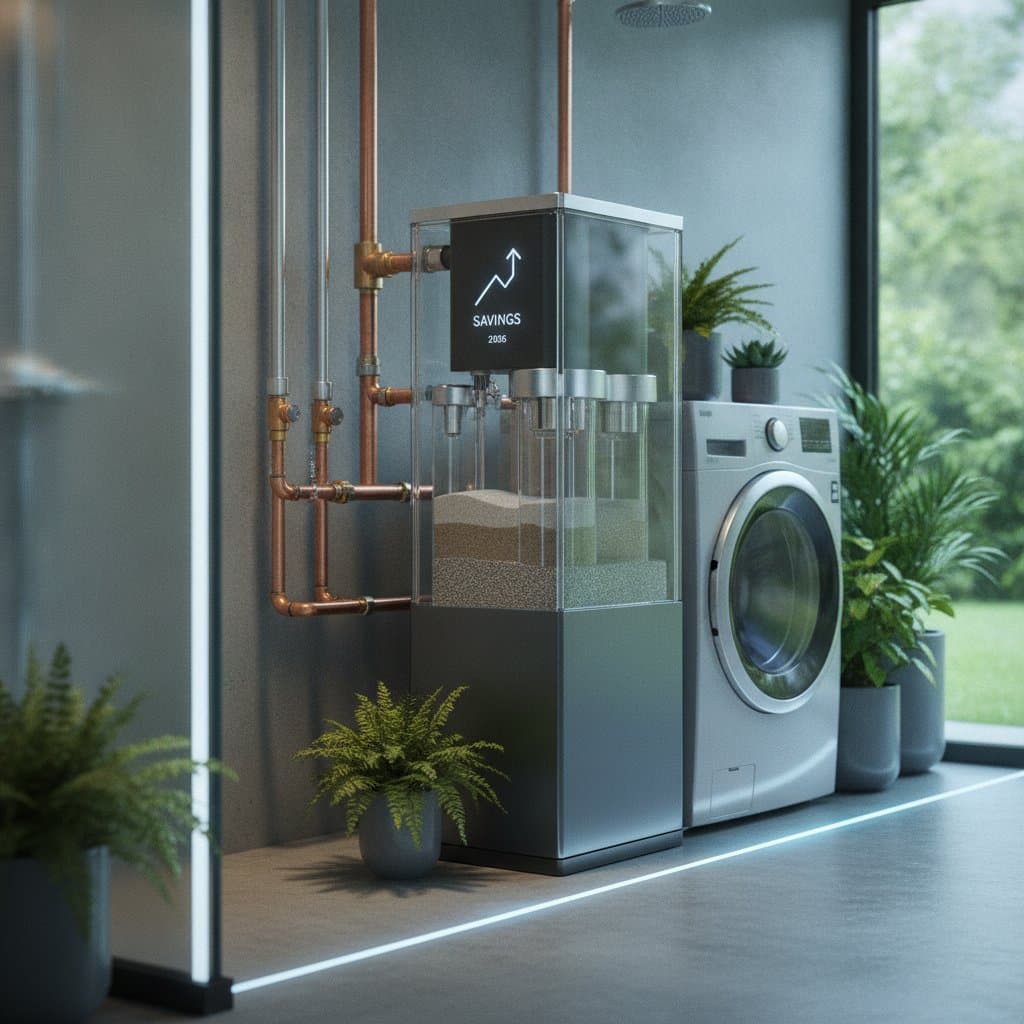
Simple laundry-to-landscape setups start under a few hundred dollars for capable do-it-yourselfers. Medium-scale versions that cover bathrooms and laundry typically fall in the low to mid-thousands when filters and pumps enter the design. Whole-house units that supply toilets or extensive irrigation often exceed several thousand dollars once tanks, sensors, and rerouted lines are added. -
Permit and inspection charges
Local rules guard against contamination and soil overload. Fees add several hundred dollars. Some districts require engineer review or plumber inspection. -
Labor rates
Regional differences affect hourly or project pricing. Underground tanks and irrigation connections extend timelines to multiple days. -
Material choices
Durable pipes, valves, and filters raise initial outlays yet lower later repairs. Stainless fittings and UV-resistant tanks illustrate this trade-off. -
Property conditions
Sloped lots, clay soils, or tight yards demand extra grading or trenching.
Permit and Code Steps
Review building codes before any purchase or excavation. Rules vary by county and water district. Certain areas waive permits for basic laundry systems that discharge below ground. Others mandate full plans and approvals.
Permits confirm several points. The system stays separate from drinking water lines. Runoff avoids surface pooling. Filters and tanks remain accessible. Valves carry clear labels.
Fees range from modest sums for small projects to several hundred dollars for larger ones. A plumber or engineer familiar with local standards prevents redesign costs. Skipping permits risks fines or mandated removal.
DIY or Professional Installation
Experienced homeowners often manage simple laundry-to-landscape projects that involve cutting and gluing PVC. Labor savings reach half the total price. Professional help becomes necessary when multiple sources feed the system or underground tanks appear. Licensed plumbers verify slopes, connections, and code compliance. They also supply warranties.
Hire professionals when indoor plumbing beyond the laundry line is involved or when the site features uneven terrain. Code assurance frequently justifies the added expense.
Advantages Beyond Utility Reductions
Environmental motives drive many adoptions. Recycled water eases demand on aquifers and treatment facilities. Gardens continue during restrictions without municipal draws.
Real estate professionals note faster sales for homes with verified greywater features in dry climates. Families also gain awareness of daily consumption and adopt further habits such as low-flow fixtures.
Situations That Require Licensed Help
Contact a professional upon discovery of leaking joints, surface pooling, or pump issues. Cross-connections with potable lines demand immediate testing through pressure checks and dye tracing.
Care Practices That Protect Performance
A maintained system operates beyond ten years. Follow these steps.
- Limit soap and detergent volumes to cut residue buildup.
- Flush lines with fresh water during extended idle periods.
- Watch irrigation zones for overwatering or blockages.
- Replace filters on the schedule supplied by the manufacturer.
Planning a Greywater Upgrade
Clear cost data, permit knowledge, and maintenance routines allow confident choices that pair financial returns with resource conservation.