Stop Attic Mold Before It Starts: Prevention Checklist
Attic mold develops when moisture accumulates in spaces that lack proper airflow or insulation. Homeowners can avoid these issues by addressing the main causes before they lead to growth. This checklist covers the essential actions that maintain dryness and protect indoor air quality throughout the year.
Core Prevention Checklist
- Control attic humidity below 60 percent with a reliable monitor.
- Maintain clear ventilation paths through soffit, ridge, and gable vents.
- Repair roof leaks and plumbing penetrations at the first sign of water entry.
- Apply insulation that matches your climate zone without blocking airflow.
- Choose mold-resistant materials for any new installations.
- Perform seasonal inspections to catch condensation or debris buildup early.
Understand Why Mold Forms
Mold spores exist in most homes. They multiply when temperatures stay between 40 and 100 degrees Fahrenheit and relative humidity exceeds 60 percent. Warm air rising from living spaces carries moisture that condenses on cold roof sheathing during winter. Summer heat can trap humid air when vents are blocked. Identifying these patterns allows targeted prevention rather than repeated cleanup.
Control Humidity Levels
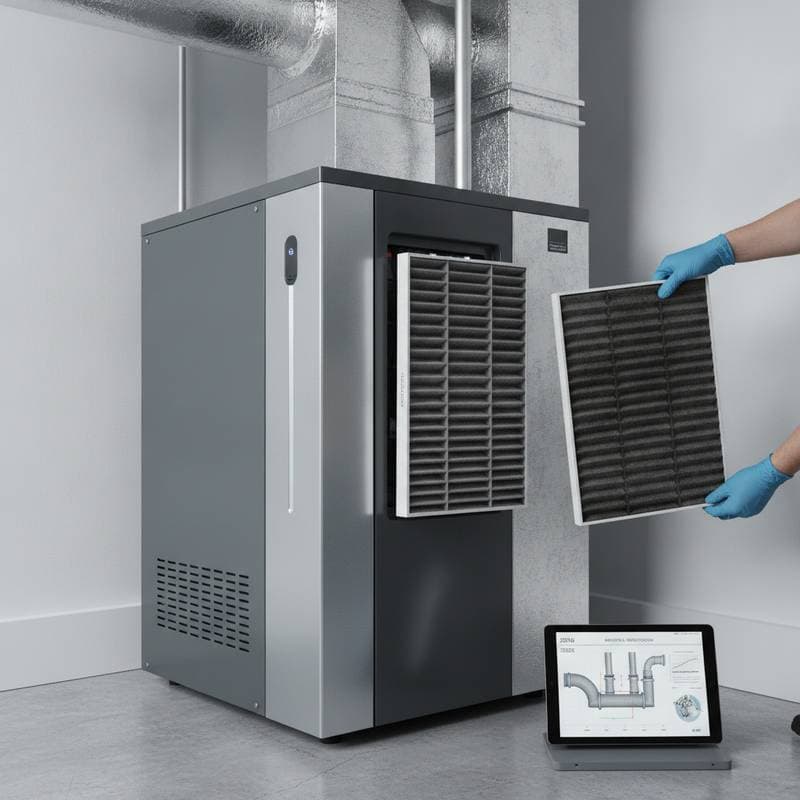
Install a digital hygrometer in the attic to track conditions monthly. Run a dehumidifier if readings remain above 55 percent for more than a few days. Ensure bathroom and kitchen exhaust fans vent directly outdoors instead of into the attic. These steps reduce the moisture load that fuels mold colonies.
Maintain Effective Ventilation
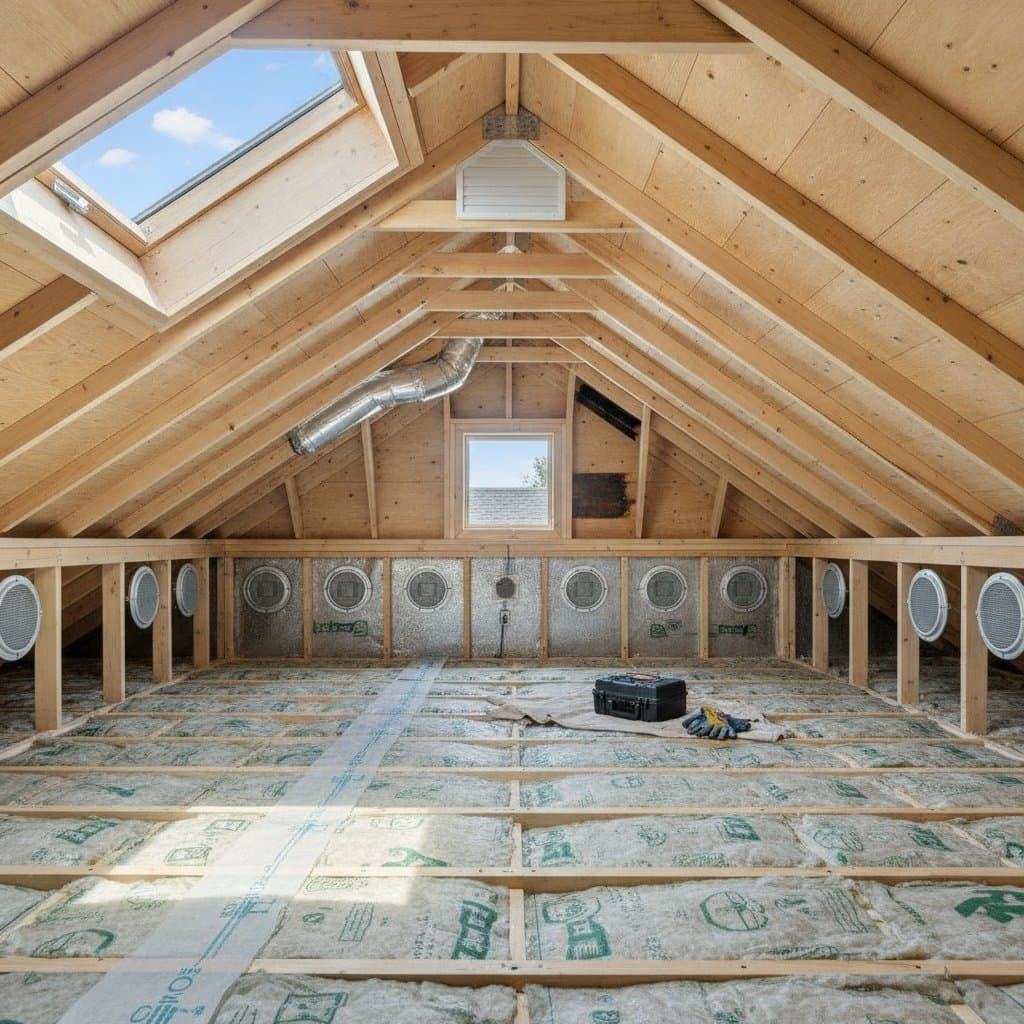
Clear soffit vents of insulation or debris at least twice each year. Confirm that ridge vents remain unobstructed along the roof peak. Add or replace gable vents if airflow feels stagnant during summer checks. Proper ventilation equalizes temperatures and carries away excess moisture before it settles.
Fix Leaks Promptly
Inspect roof flashing around chimneys, skylights, and valleys each fall. Replace damaged shingles and seal small gaps with appropriate roofing cement. Check plumbing vent pipes and attic-mounted HVAC units for condensation drips. Addressing water entry points prevents widespread saturation of wood and insulation.
Insulate Correctly
Select insulation with the R-value recommended for your climate zone. Distribute material evenly to avoid gaps or compressed areas that reduce performance. Install foam baffles to keep insulation clear of soffit vents. Replace any damp or moldy sections immediately because wet insulation loses effectiveness and retains spores.
Blown-in cellulose and fiberglass batts represent common choices. Fiberglass tolerates occasional moisture better yet still requires a dry environment to function. Professional reinsulation typically ranges from 1.50 to 3.50 dollars per square foot based on material type and access.
Monitor Seasonal Changes
Attic conditions vary with outdoor temperatures. Cold months produce condensation on nails and rafters when interior heat rises. Warm months increase humidity when ventilation proves inadequate. Regular observation during both periods reveals problems before they expand.
Complete these tasks on a repeating schedule. Clear debris from soffit and ridge vents each spring. Check for heat buildup or odors in summer. Examine roof flashing before fall rains arrive. Look for frost on framing members during winter.
Engage Professionals When Needed
Routine inspections and minor repairs remain suitable for homeowners. Large mold patches or structural rot require certified remediation teams. These specialists establish containment, apply HEPA filtration, and use antimicrobial agents to restore safe conditions.
Moderate remediation projects generally cost between 1,000 and 3,000 dollars. Leaving mold untreated reduces property value and may trigger respiratory irritation or allergic responses.
Sustain Long-Term Protection
Schedule attic reviews twice annually after initial cleanup. Keep all vents free of obstructions and verify humidity monthly. Confirm that added storage platforms or new equipment preserve existing airflow routes. Consistent habits protect roof structures, insulation performance, and overall home comfort while lowering future repair expenses.