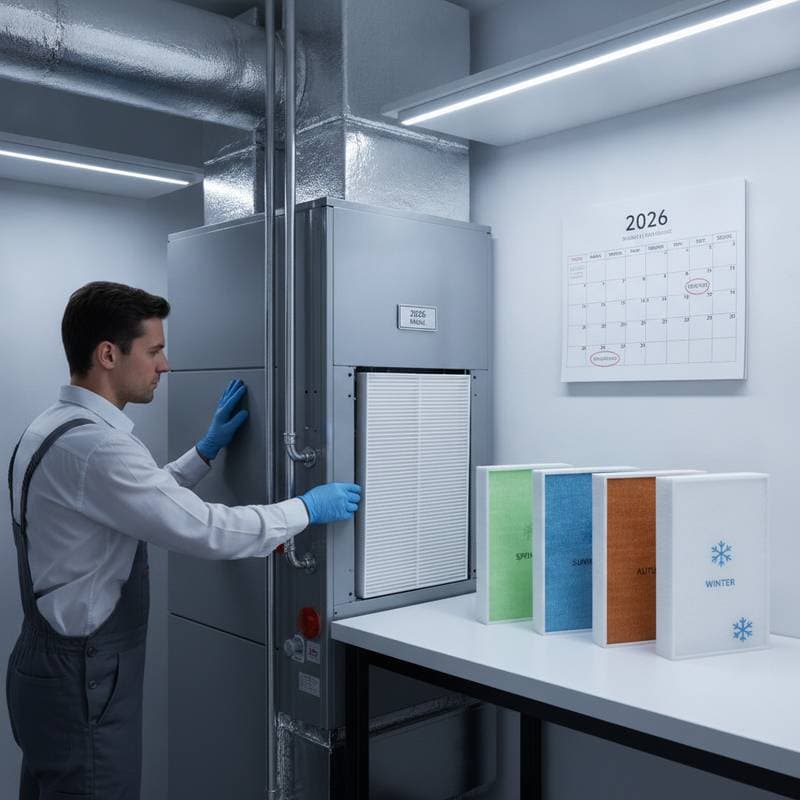
2026 HVAC Filter Schedule by Season
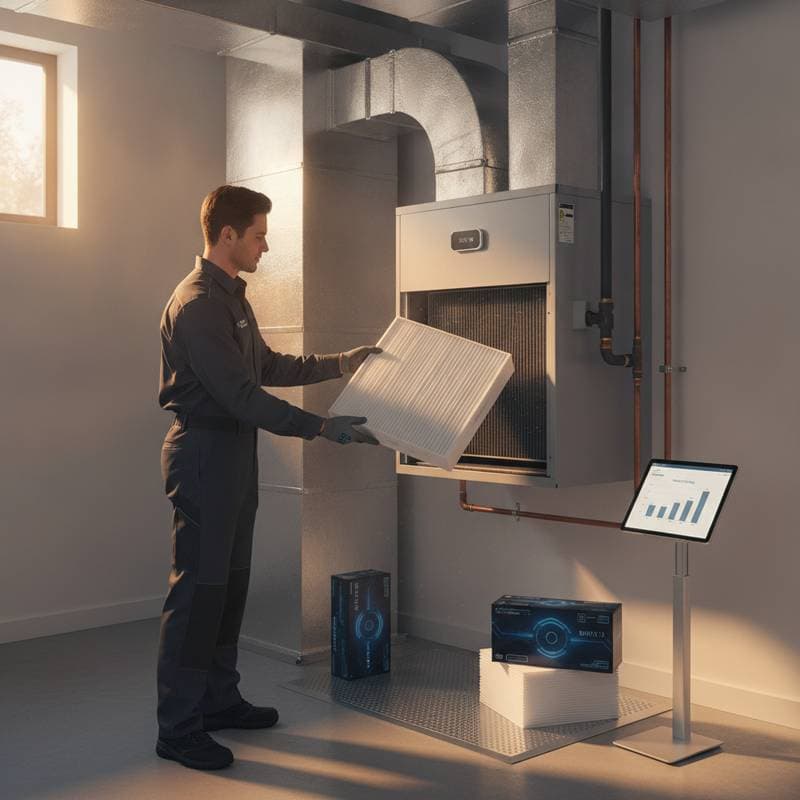
A seasonal HVAC filter schedule maintains clean air, stable energy costs, and reliable comfort. Homeowners who replace filters on a fixed plan avoid clogs that raise utility bills and reduce system performance. This guide presents practical replacement timing for each season along with inspection steps and material considerations.
Factors That Determine Replacement Frequency
Several household conditions influence how quickly a filter collects debris. These include the number of occupants, presence of pets, smoking habits, filter construction, and local pollen or dust levels. Standard disposable filters require attention every one to three months. Higher efficiency models extend that interval yet still benefit from seasonal inspection.
Summer Replacement Practices
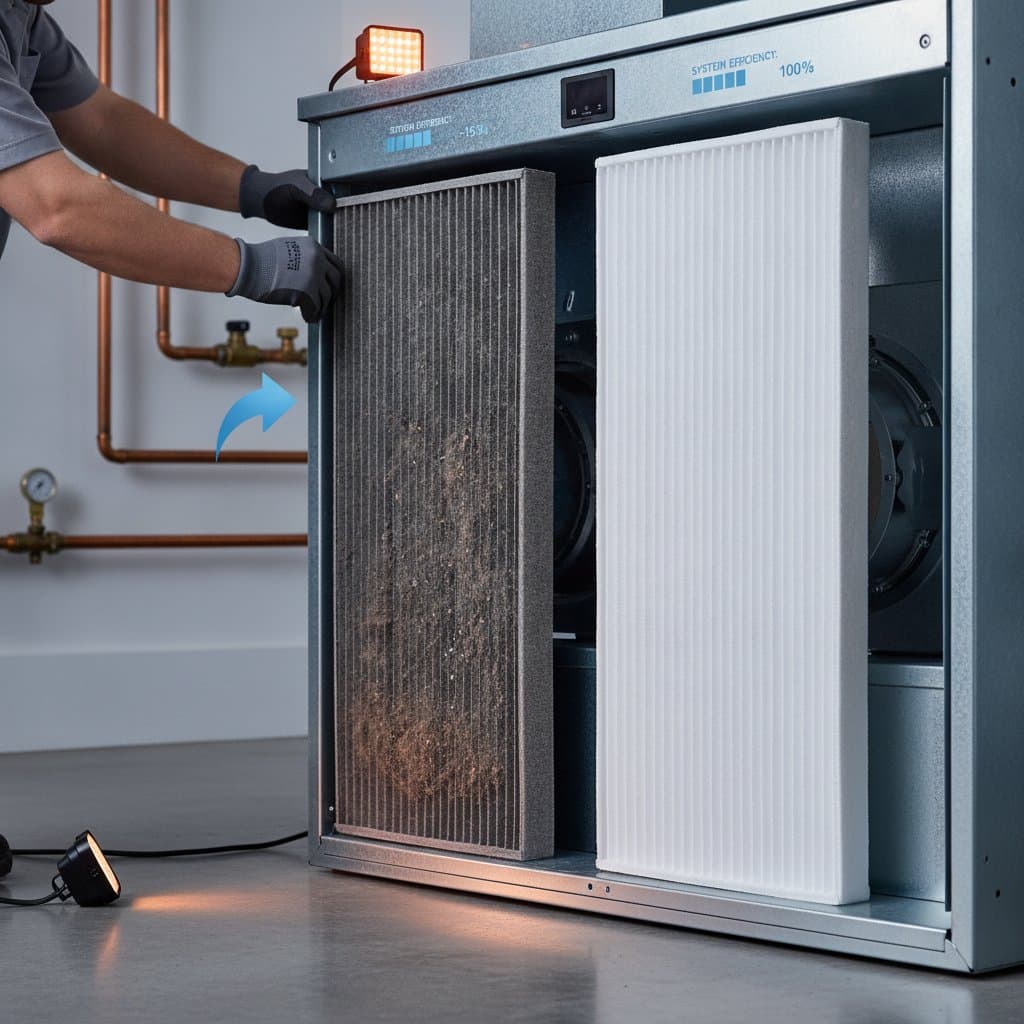
Air conditioners operate for extended periods in warm weather and therefore draw larger volumes of air through the filter. A clogged filter can reduce cooling efficiency by up to thirty percent. Monthly checks during June, July, and August keep airflow consistent.
Inspect the filter every four weeks. Replace it as soon as the media appears darker than the frame edges. Wipe return vents with a damp cloth to remove surface dust. Clear grass clippings and debris from the outdoor cabinet to prevent additional strain on the system. Properties near construction sites may need an additional mid summer change.
Never operate the equipment without a filter in place. Dust that reaches the evaporator coil can cause ice formation and eventual component damage.
Winter Replacement Practices
Heating systems run for long cycles when outdoor temperatures drop, and low humidity accelerates filter drying. A six week inspection interval supports steady warm air delivery.
Examine the filter every six weeks for accumulated fine dust. White powdery residue often signals dry indoor conditions; a portable humidifier can reduce static and extend filter life. Keep supply vents unobstructed to promote even temperatures throughout the house. Homes that use fireplaces or wood stoves should shorten the interval further because soot travels through return ducts.
Methods to Maintain a Consistent Schedule
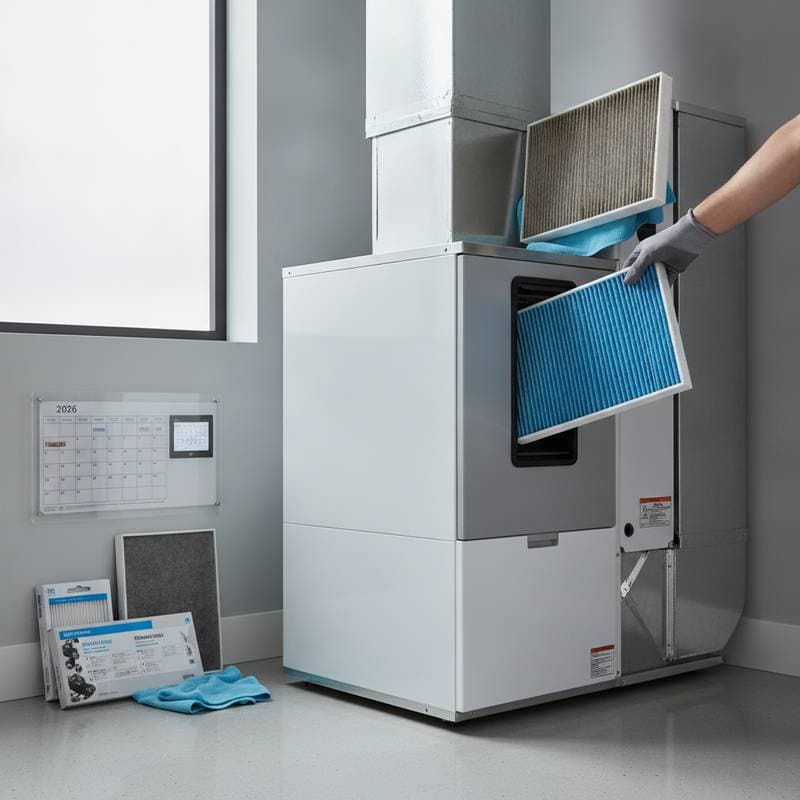
Simple tracking tools help homeowners stay on schedule without guesswork. Mark replacement dates on a wall calendar. Configure recurring phone alerts at sixty day intervals. Many smart thermostats display filter status automatically. A small notebook kept near the air handler provides a quick written record of each change.
Answers to Frequent Filter Questions
Weak airflow or unusual sounds from the vents usually indicate a clogged filter. Install a fresh filter immediately and advance the next inspection date. Only filters labeled washable may be rinsed and reused. Disposable models lose rigidity when wet and must be discarded. Thicker media holds more dust yet can restrict airflow if the system was not designed for that depth. Renters gain the same comfort and air quality benefits from following the schedule and may retain used filters as proof of proper care.
Protect Equipment Performance Year Round
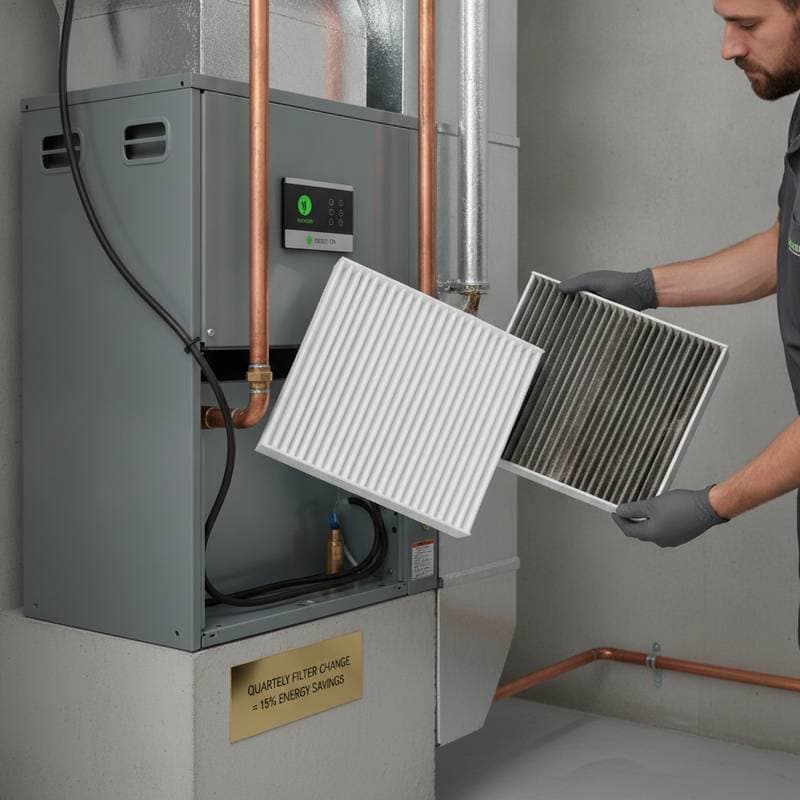
Consistent filter changes reduce strain on the blower motor and keep heat exchangers cleaner. Homeowners who adopt the seasonal routine commonly observe lower monthly energy use and fewer service calls across multiple years of operation.