Quarterly HVAC Filter Changes Protect System Performance
A clean HVAC filter maintains fresh indoor air, safeguards equipment, and reduces monthly energy expenses. Homeowners often overlook this routine task until airflow weakens or costs increase unexpectedly. Establishing a quarterly replacement schedule provides one of the simplest methods to sustain air quality and equipment reliability over time.
Benefits of Regular Filter Replacement
Dust, pollen, and pet dander accumulate within filters and restrict airflow. Restricted airflow forces the system to operate longer cycles, which accelerates wear on motors and raises utility consumption. Consistent three-month intervals maintain balanced airflow and limit stress on critical components.
A clogged filter can also reduce comfort throughout the home. Rooms may develop uneven temperatures because conditioned air cannot move freely through the ductwork. In cooling systems, poor airflow can contribute to a frozen coil, while heating equipment may overheat when it cannot release warm air efficiently. Addressing the filter before these problems develop protects both performance and comfort.
Specialists recommend adherence to a fixed schedule rather than sporadic replacements. This cycle aligns with typical household conditions and balances filtration performance against ongoing expenses for year-round operation.
Establishing a Consistent Replacement Schedule
A structured quarterly plan keeps homeowners on track throughout the year. Divide the calendar into four service points that correspond to seasonal transitions.
- Complete the first replacement after heating demand declines in spring.
- Perform the second replacement when cooling demand begins in early summer.
- Conduct the third replacement before cooler weather returns in autumn.
- Finish the fourth replacement prior to the next heating season.
Each interval anticipates changes in humidity, particle load, and system runtime. Following this sequence prevents clogging that would otherwise impair performance. A simple reminder on a household calendar, phone, or home management checklist can make the task automatic rather than easy to forget.
Selecting an Appropriate Filter Rating
Filter effectiveness varies by Minimum Efficiency Reporting Value rating. Higher ratings capture smaller particles yet may impede airflow in systems not rated for them.
- MERV 1-4 provides basic protection suitable for older or low-use systems.
- MERV 5-8 handles standard residential needs including dust and pollen.
- MERV 9-12 improves capture for homes with allergies or pets.
- MERV 13 and above delivers high-efficiency performance when system compatibility allows.
Most residences achieve optimal results with MERV 8 to 10 filters that combine solid particle removal with unrestricted airflow. Before choosing a denser filter, homeowners should check the equipment manual or ask an HVAC professional. The most efficient filter is not necessarily the highest-rated option, because an incompatible filter can make the blower work harder and reduce overall system efficiency.
Performing Filter Replacement
Filter changes require only a few minutes when supplies remain on hand. Keep spare filters stored near the unit to avoid delays. Buying several compatible filters at once can also encourage consistency and prevent a missed replacement when household routines become busy.
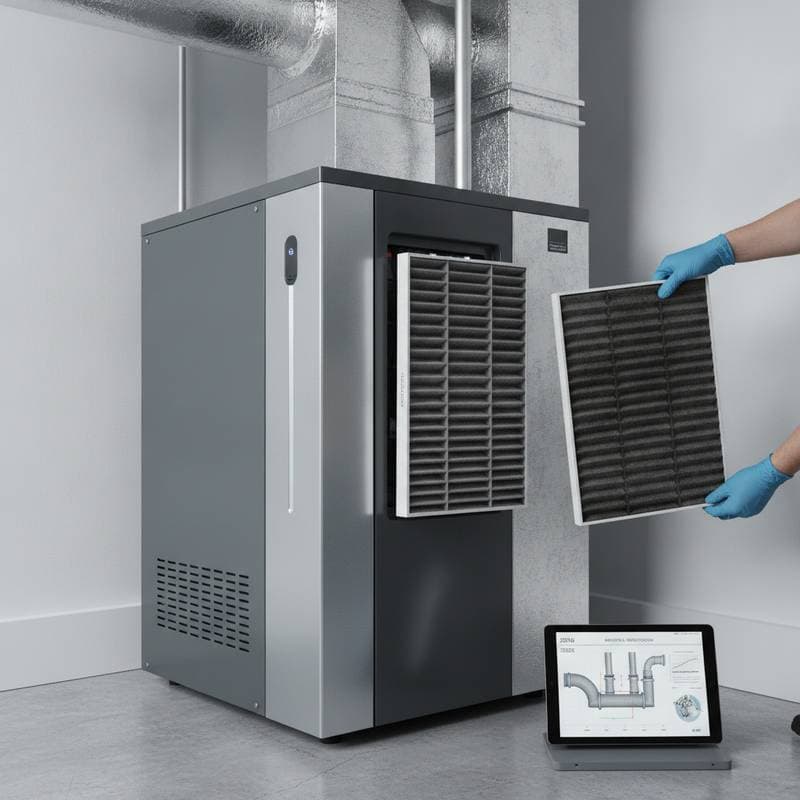
- Switch the HVAC system off at the thermostat.
- Open the filter compartment located near the return vent.
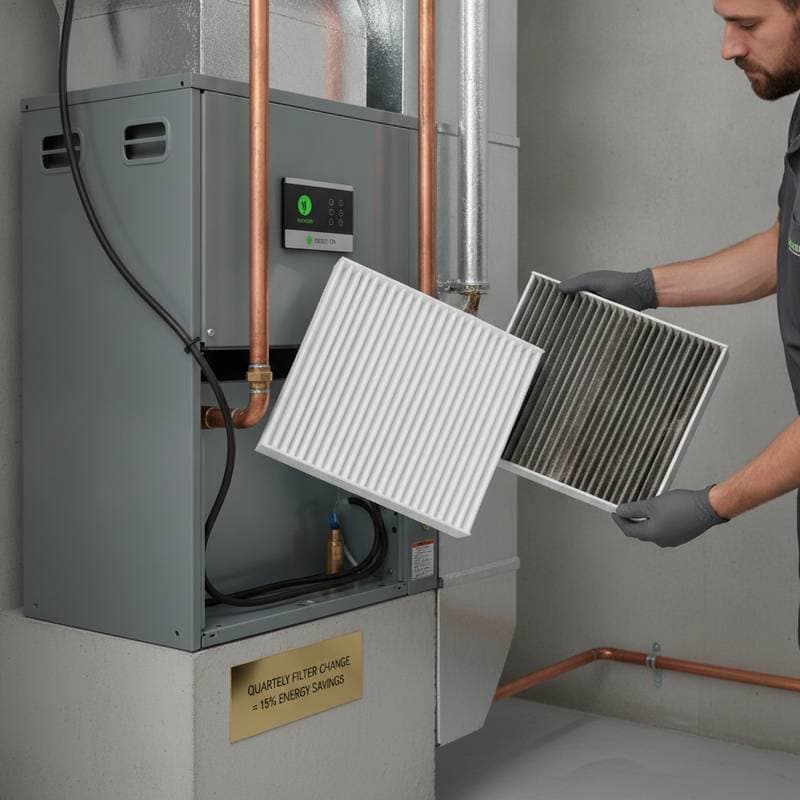
- Remove the old filter and record the dimensions printed on its frame.
- Insert the new filter so arrows indicate correct airflow direction.
- Secure the compartment and restore power to the system.
Inspect the removed filter for heavy accumulation. Excessive buildup confirms effective particle capture, while an unexpectedly clean surface may indicate the need for a different rating or a duct inspection. Check that the filter fits snugly without bending, gaps, or visible air paths around the edges. A poorly fitted filter allows particles to bypass the filtration material and settle inside the equipment.
Adapting the Schedule to Your Household
Quarterly timing suits most properties, yet certain conditions warrant adjustment. Homes with multiple pets, frequent cooking, or elevated outdoor dust levels benefit from two-month intervals. Low-activity residences with supplemental air cleaners may extend intervals to four months.
Lifestyle factors such as occupancy levels and local air quality directly influence optimal timing. Monitoring airflow and energy use after each change helps refine the personal schedule.
Renovation work also creates a temporary need for closer inspections. Drywall dust, sawdust, and flooring particles can fill a filter quickly, even when the home normally has light contaminant levels. During construction, inspect the filter frequently and replace it when the surface appears loaded. Keeping doors closed between work areas and living spaces further reduces the amount of debris entering the return system.
Evaluating Energy and Maintenance Savings
A clean filter reduces energy consumption noticeably compared with a clogged unit. Replacement costs remain modest relative to potential expenses from motor strain or emergency service calls. Preventive changes represent one of the lowest-cost measures available to extend equipment life.
Regular replacement may also reduce the need for repeated service visits caused by restricted airflow, overheating, or frozen components. Although a filter alone cannot correct every HVAC problem, it removes one common source of avoidable strain.
Sustaining Long-Term System Health
Set calendar reminders or pair filter changes with other recurring tasks such as battery checks. This habit supports steady efficiency and consistent indoor comfort.
Record the filter size, rating, and replacement date in a maintenance notebook or household app. This information simplifies future purchases and helps identify patterns in dust buildup.
A three-month routine is practical because it is frequent enough to protect airflow while remaining simple to maintain. Combined with clear return vents, sealed duct connections, and professional equipment care, regular filter changes form a dependable foundation for a healthier, more efficient home.