AI Monitors Indicate Exact Timing for HVAC Filter Replacements
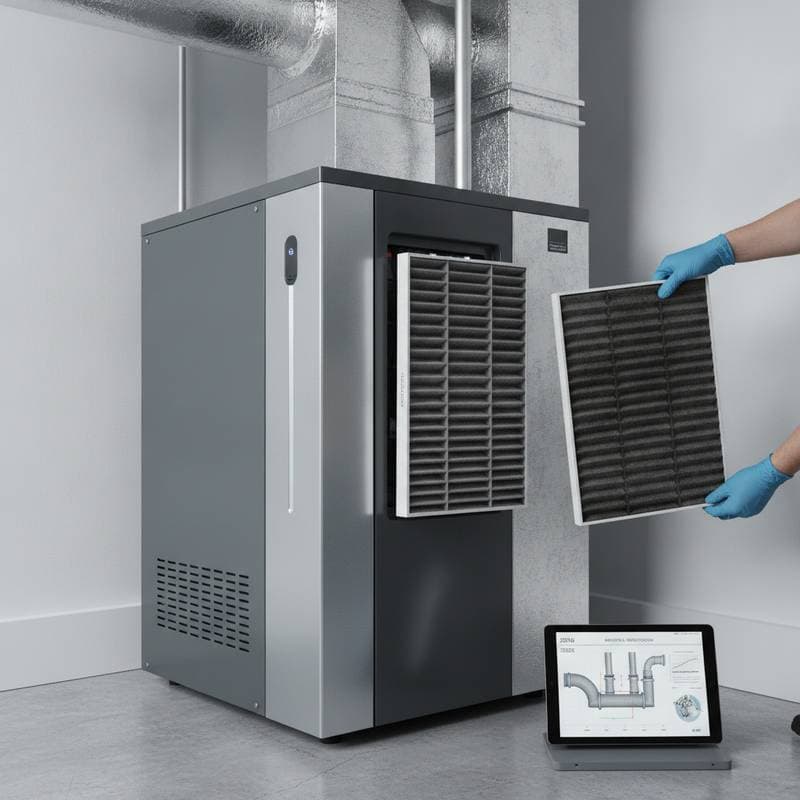
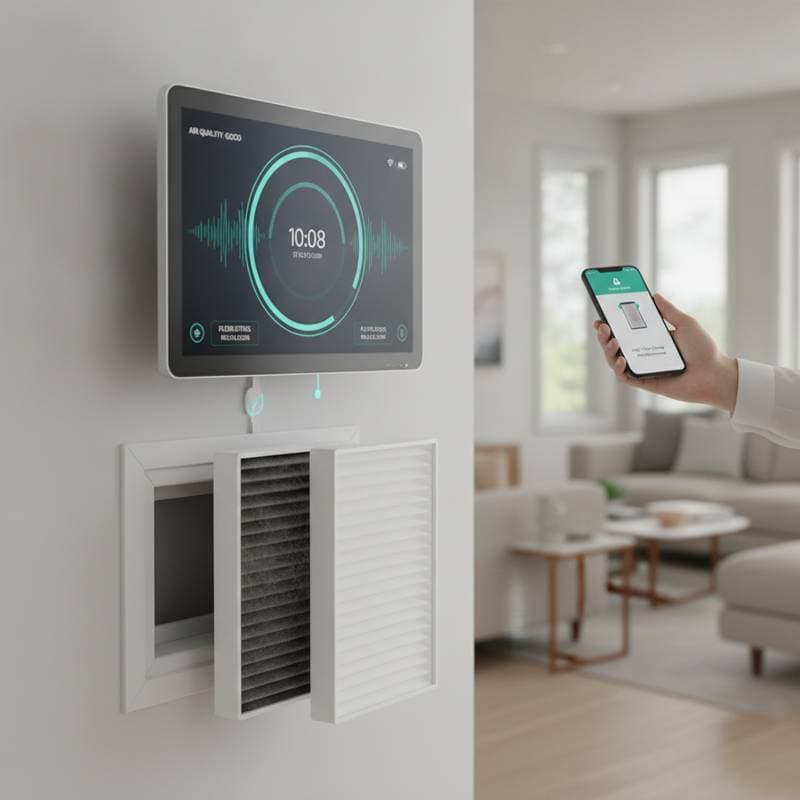
Smart technology is reshaping how homeowners maintain comfort and air quality. One of the simplest yet most effective upgrades involves AI-powered monitors for HVAC filter changes. These monitors track airflow, filter condition, and usage patterns to indicate exactly when replacement is needed.
Instead of guessing or following a rigid schedule, users receive real-time feedback that improves efficiency and keeps indoor air clean.
Importance of Timely Filter Replacement
A clogged or dirty filter reduces airflow and forces the HVAC system to work harder. This action raises energy costs and shortens equipment life. Replacing filters on time can lower energy use by up to 15 percent.
Clean filters trap dust, pollen, and other irritants that affect air quality and health. Skipping replacement for even a few weeks can lead to musty odors or uneven heating and cooling.
Traditional maintenance schedules suggest swapping filters every one to three months. This timeline rarely fits real household conditions. Pets, open windows, and frequent system use all affect how fast a filter clogs.
Mechanism of AI Monitoring Systems
AI filter monitors combine sensors with machine learning. They measure airflow resistance, humidity, and usage hours, then compare these readings to data patterns. Over time, the system learns how a specific home behaves.
For instance, it may notice filters clog faster during pollen season or when the house is full of guests. The monitor then adjusts reminders to match actual needs.
Many devices connect to smartphone apps or smart home hubs. Users can check filter status, view historical air quality data, and order replacements directly from the app. Some models send alerts through voice assistants.
Installation Process and Associated Costs
Installing an AI filter monitor is a simple project for most homeowners. The device usually clips near the air return vent or attaches to the HVAC unit with adhesive. Setup takes less than fifteen minutes and requires no wiring.
The monitor pairs with a Wi-Fi network and starts tracking conditions right away. Prices range from the cost of a few standard filters to higher-end models that analyze air particles in detail. Many users report that the cost pays off within months through lower energy bills and fewer service calls.
Situations Requiring Professional Assistance
While AI monitors simplify maintenance, they do not replace professional servicing. Homeowners should still schedule seasonal inspections to check refrigerant levels, duct cleanliness, and thermostat calibration.
If the monitor shows consistently poor air readings or reduced airflow persists even with a new filter, a technician can inspect for leaks or motor issues. Combining smart monitoring with expert care keeps the system running at peak efficiency.
Benefits of Ongoing Smart Monitoring
AI-based filter tracking protects HVAC systems, saves energy, and improves air quality for everyone in the home. The data gathered over time helps users understand how their environment changes throughout the year. This leads to smarter maintenance decisions.
By acting on real information instead of assumptions, users extend equipment life and maintain consistent comfort. Smart monitoring transforms a small maintenance task into a strategic energy-saving habit. Once installed, users gain confidence that the system runs clean and efficiently.