Master Your HVAC Filter Replacement Schedule
A clean air filter keeps your heating and cooling system working smoothly. It helps air move easily, traps dust, and protects the system from strain. Many homeowners struggle to keep track of when to replace filters. Some forget until airflow drops or energy bills rise. A smart schedule prevents these issues and makes your home more comfortable.
This guide explains how to build a clear HVAC filter replacement schedule. It covers how often to change filters, what affects their lifespan, and how to track maintenance. It also includes safety notes, cost details, and expert-backed tips for keeping filters fresh all year.
How Often to Replace HVAC Filters
Filter replacement frequency depends on several factors. The type of filter, home size, number of occupants, and air quality all matter.
Here is a general guide to replacement intervals:
| Filter Type | Lifespan | Usage Condition |
|---|---|---|
| Fiberglass | 1 month | Basic filtration, light dust |
| Pleated | 2 to 3 months | Moderate dust, average home |
| Electrostatic | 3 to 6 months | Reusable, can be washed |
| HEPA or high-efficiency | 6 to 12 months | Advanced filtration, high dust areas |
Pets, smoking, and allergies shorten filter life. Homes near construction zones or high-traffic roads may also need more frequent changes.
A good habit is to check filters monthly. If you see visible dust buildup or dark discoloration, replace or clean them early. This small step keeps the system running efficiently all year.
Tools for Tracking Filter Changes
Consistency matters more than memory. Homeowners forget maintenance tasks easily, so tools for reminders help.
Ideas to track filter changes include the following:
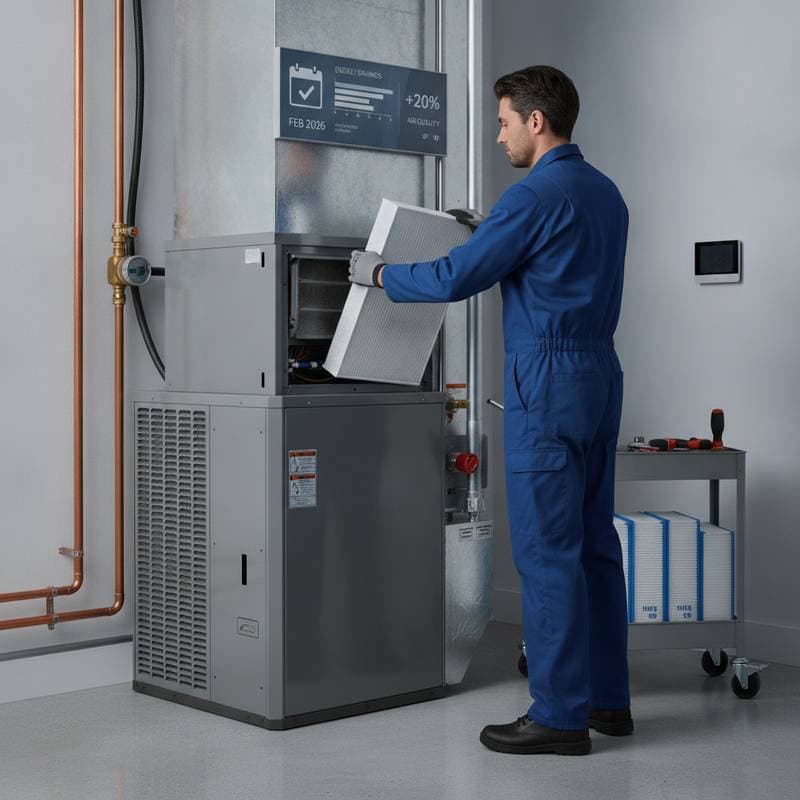
- Mark change dates on a wall calendar near the HVAC unit.
- Use phone reminders or smart home apps that alert you every few months.
- Label the filter frame with the replacement date using a marker.
- Keep a small notebook or spreadsheet to record filter type, size, and date.
Smart thermostats or connected HVAC systems often include maintenance alerts. They track runtime hours and send reminders automatically. This removes the guesswork and ensures filters are replaced before performance drops.
Step-by-Step Replacement Process
Replacing an HVAC filter is simple but must be done safely. Follow these steps to complete it correctly.
- Turn off the system. Always shut down power before removing the filter. This prevents debris from being drawn inside.
- Locate the filter compartment. It is usually behind a return air vent or inside the air handler.
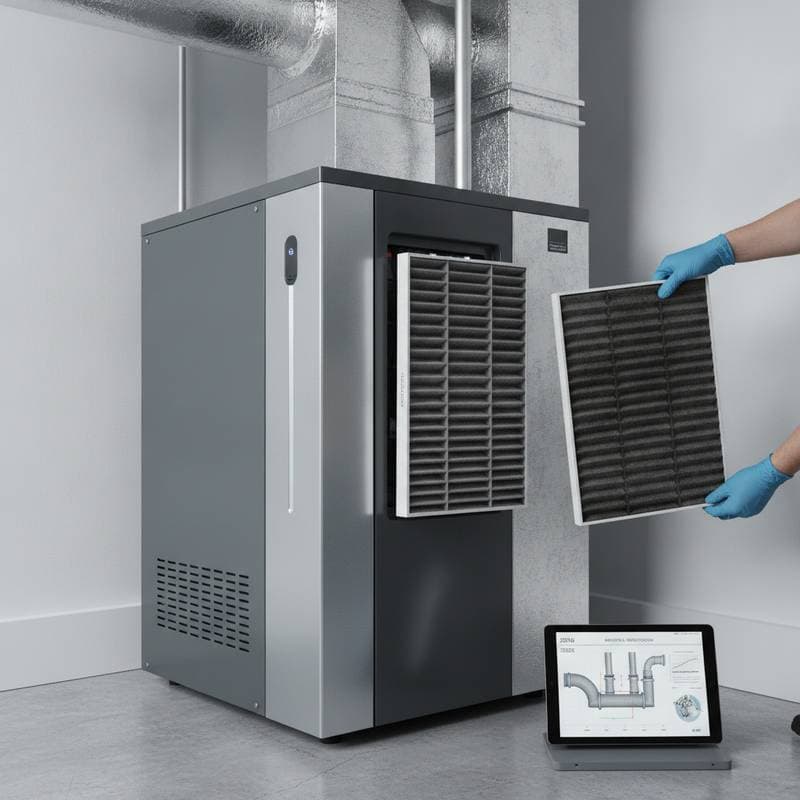
- Remove the old filter. Slide it out gently to avoid scattering dust.
- Check the size. The size is printed on the filter frame. Match it exactly for a proper fit.
- Insert the new filter. Follow the airflow arrows printed on the frame. They should point toward the blower.
- Secure the cover. Make sure the filter sits flat and seals tightly.
- Turn the system back on. Listen for smooth airflow.
Never run the system without a filter. Dust can coat coils and fans, leading to expensive repairs.
Signs It Is Time to Replace the Filter Sooner
Sometimes filters need replacement earlier than planned. Watch for these warning signs:
- Airflow feels weaker from vents.
- Dust builds up quickly on surfaces.
- The system runs longer to reach the same temperature.
- You notice musty or dusty odors when the unit starts.
- The filter looks dark, damp, or damaged.
If any of these appear, change the filter right away. Never wait for a scheduled date if performance drops.
Homeowners often mention that pet hair clogs filters faster than expected. Many report cleaner air and improved system noise levels after replacing filters every six weeks instead of every three months.
Common Questions About HVAC Filter Schedules
What happens if a filter is not replaced?
The system struggles to push air through clogged fibers. This raises pressure inside ducts and forces the blower motor to work harder. Over time it can overheat or fail.
Can filters be cleaned instead of replaced?
Only washable electrostatic filters can be cleaned safely. Disposable filters lose effectiveness after one use. Rinsing them may damage the fibers and reduce filtration quality.
Do higher MERV filters clean better?
Yes, but they also restrict airflow more. Choose a rating that fits your system capacity. A mid-range pleated filter gives the best mix of efficiency and air movement for most homes.
How do I know if the filter is installed correctly?
Check the airflow arrow printed on the frame. It should point toward the blower or furnace. Incorrect placement reduces efficiency and may cause vibration or noise.
Protect Your System Year-Round
Keeping your HVAC filter replacement schedule consistent protects your comfort and your budget. Each small step adds up to smoother performance, cleaner air, and fewer repairs.