Seasonal HVAC Filter Replacement Schedule
Keeping a heating and cooling system in peak condition requires small but consistent maintenance habits. One of the simplest yet most effective tasks involves changing the HVAC filter on a regular schedule. A clean filter allows air to move freely, stabilizes energy bills, and extends the life of the furnace or air conditioner.
Every home presents different needs based on lifestyle, pets, and local air quality. A seasonal plan nevertheless creates a reliable foundation that fits almost any setting.
Importance of Timely Filter Replacement
An HVAC filter captures dust, pollen, pet dander, and other airborne debris. When the filter becomes clogged, the system must work harder to pull in air. This extra effort produces higher energy costs and uneven heating or cooling.
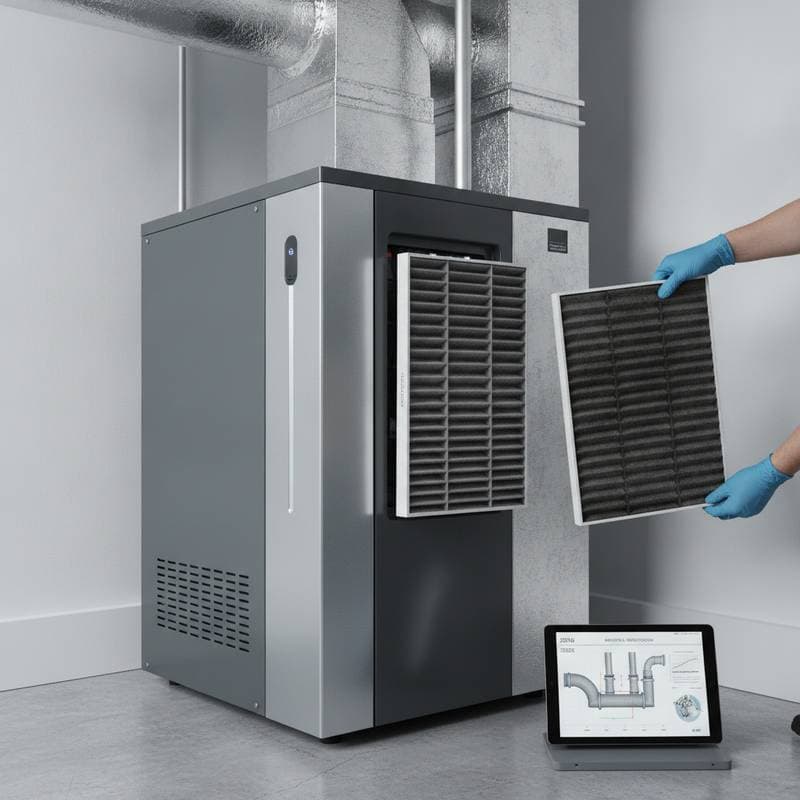
A dirty filter can also return dust through the vents, leaving buildup on furniture and lowering indoor air quality. Over time the restriction may cause the blower motor to strain or overheat. Replacing filters on a predictable schedule maintains efficient airflow and prevents wear that could shorten equipment life.
Recommended Replacement Frequency
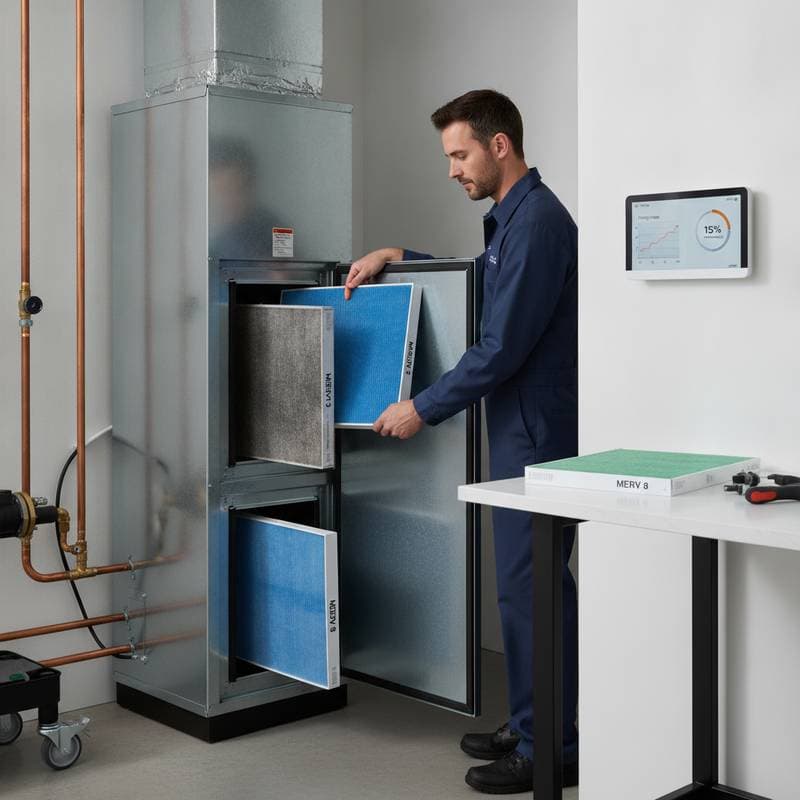
Most standard one-inch filters last one to three months, while thicker pleated filters can last up to six months. Homes with pets, smokers, or allergy-sensitive residents often require more frequent changes. High-efficiency filters rated above MERV 10 collect finer particles yet clog more quickly.
For most households a balanced approach calls for checking the filter every month and replacing it at least once each season.
Spring Maintenance Steps
As temperatures rise, pollen and mold spores increase in the air. Replace the filter at the start of the cooling season to prevent allergens from circulating through the home. Residents in humid regions benefit from a MERV rating between 8 and 10 that traps fine particles without restricting airflow.
Inspect the return vents at the same time and vacuum away visible dust.
Summer Maintenance Steps
Air conditioners run frequently during this period, so the filter loads faster. Check it monthly and replace it midway through the season if it appears gray or coated. A clogged filter can cause the evaporator coil to freeze and trigger expensive service calls.
Set a reminder on the thermostat or phone to inspect the filter regularly, especially during extended heat waves.
Autumn Maintenance Steps
Install a fresh filter before switching to heating mode. Dust and debris often settle in the ducts during the off-season. Replacing the filter helps the furnace warm the home evenly and protects the blower motor from strain.
Owners of oil or gas furnaces should also examine the combustion area for soot, because a clogged filter can worsen residue buildup and reduce efficiency.
Winter Maintenance Steps
Cold weather draws in more dust as windows remain closed and indoor activity rises. Check the filter every four weeks and replace it once during the season even if it appears clean. A full filter restricts airflow and can make rooms feel cooler despite a higher thermostat setting.
Upgrading to a pleated filter with a higher MERV rating helps trap fine particles brought in on shoes, coats, and outdoor gear.
Product Selection and Budget Planning
Basic fiberglass filters cost five to ten dollars each, while pleated filters range from fifteen to forty dollars depending on size and brand. High-efficiency or specialty allergy models may reach sixty dollars or more. Purchasing in bulk reduces the cost per filter.
Smart thermostats and home maintenance apps track replacement intervals automatically, saving time and preventing missed changes. Consistent replacement typically lowers annual energy use by ten to fifteen percent.
Practical Implementation Tips
- Measure the existing filter before ordering replacements to ensure a proper fit.
- Write the installation date on the frame edge with a marker to track service timing.
- Confirm that arrows on the frame point toward the blower motor rather than the return vent.
- Store at least two spare filters in a dry location so replacements remain available.
- Vacuum return grilles monthly to reduce buildup that accelerates filter clogging.
Protecting Long-Term System Performance
Regular filter replacement supports the entire HVAC system from compressor to ductwork. Clean filters maintain stable indoor temperatures, quieter operation, and lower repair costs. Following a seasonal schedule turns the task into routine practice that safeguards both comfort and efficiency year after year.