2026 HVAC Regulations Require Monthly Filter Changes
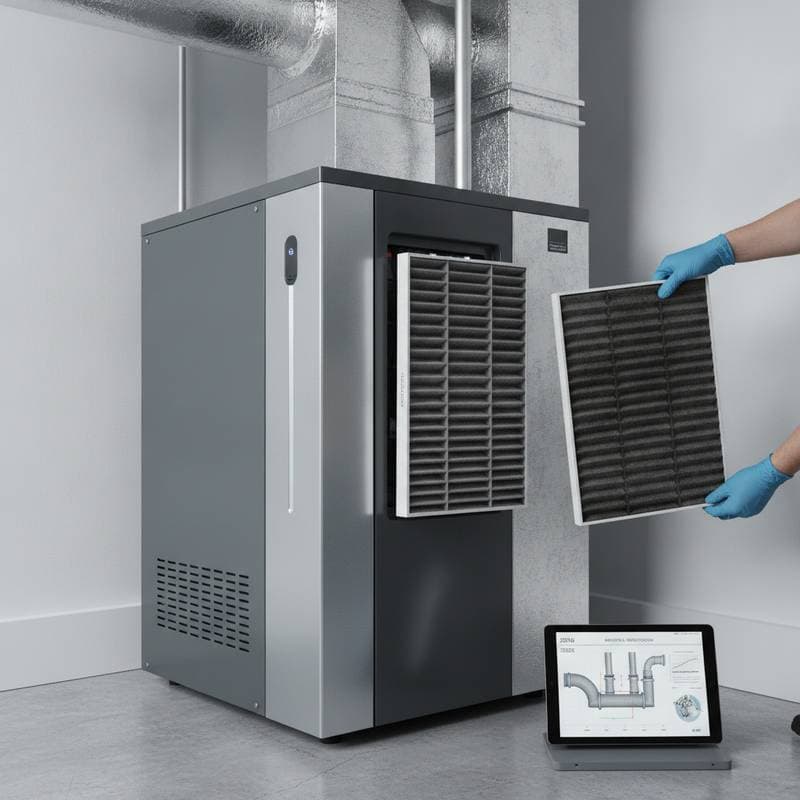
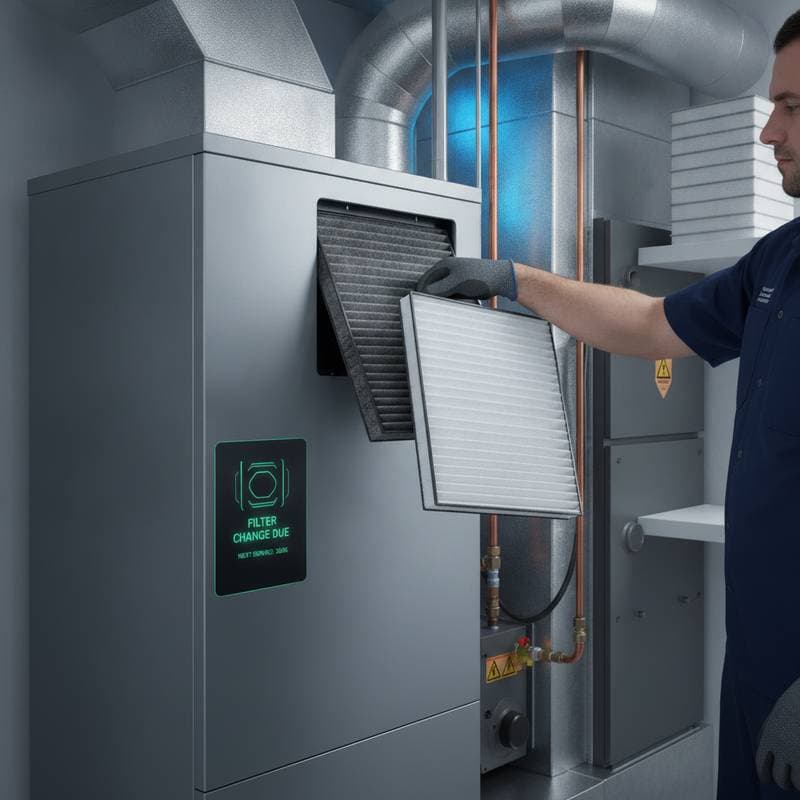
New standards taking effect in 2026 mandate monthly filter replacements for both homes and commercial buildings. This requirement aims to maintain cleaner indoor air, improve system performance, and limit unnecessary energy use. Property owners must adjust their routines now to avoid compliance issues later.
Understanding Basic Maintenance Costs
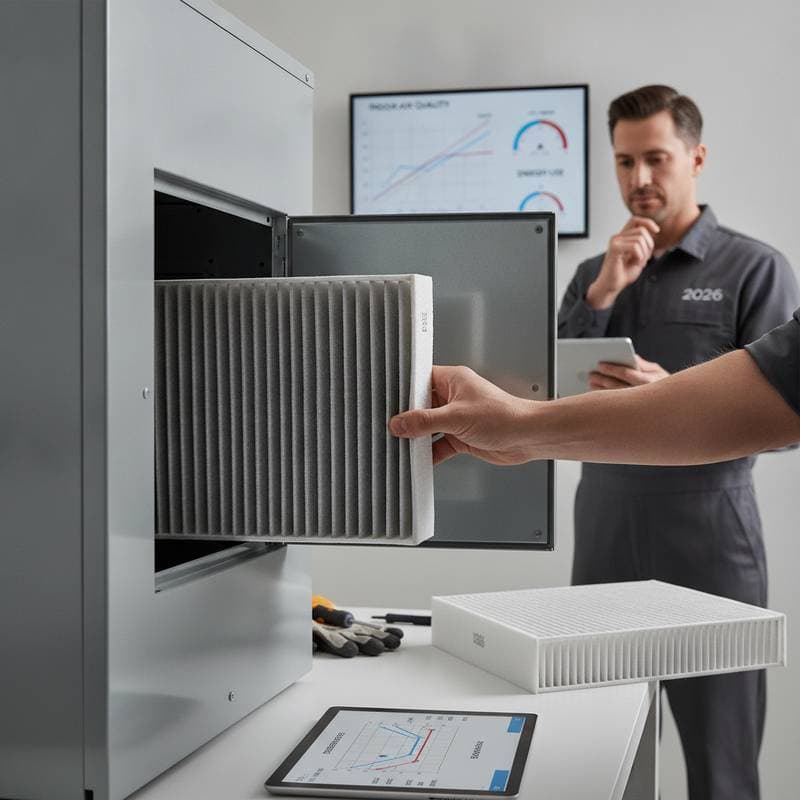
Monthly filter service expenses depend on system capacity, filter grade, and whether a technician performs the work. Residential replacements average between 15 and 75 dollars each month when labor is included. Commercial properties typically pay 90 to 350 dollars per visit under similar conditions.
Location affects these amounts. Urban areas with elevated labor rates often charge more than rural zones. Peak summer and winter months can add premiums because technician demand rises. Supply costs for specialized filters may also fluctuate with material availability.
Common Service Pricing Structures
Providers structure payments in several ways to match different property needs.
- Hourly billing runs 50 to 120 dollars per hour, with most residential visits lasting one hour.
- Flat-rate plans cover labor and materials for a fixed monthly fee, usually 30 to 100 dollars for homes and 150 to 400 dollars for businesses.
- Per-unit pricing works well for multi-family buildings and averages 20 to 40 dollars per system.
- Subscription options bundle filter swaps with inspections and priority repairs at predictable rates.
Flat fees and subscriptions simplify budgeting, while hourly rates offer flexibility for smaller or infrequent needs.
Service Levels and What They Include
Providers now offer tiered plans to address varying air quality priorities.
Basic service supplies only a filter swap and suits accessible residential units at 15 to 30 dollars monthly plus filter cost. Standard service adds an inspection and airflow check for 50 to 90 dollars per month. Premium service covers high-efficiency filters, coil cleaning, and performance reports at 100 to 250 dollars monthly. Specialized plans for medical or industrial sites exceed 300 dollars because they require certified materials and technicians.
Factors That Change Total Expense
Several variables determine the final bill each month. Larger systems need more filters and extra service time. Multi-zone setups or advanced filtration demand extra expertise. Hard-to-reach equipment may require additional safety measures. Filter media ranges from 5-dollar fiberglass options to HEPA units above 60 dollars each.
Optional Services and Their Fees
Many companies provide add-on work that supports overall system health. Annual duct cleaning costs 300 to 700 dollars. Coil cleaning averages 150 dollars per visit. Air quality testing falls between 100 and 250 dollars depending on scope. Emergency filter changes carry a 20 to 40 percent surcharge.
Maintenance contracts frequently discount these extras, making ongoing agreements more economical than separate calls.
Energy Savings and Environmental Impact
Clean filters reduce blower effort and can cut energy use by 5 to 15 percent annually. Consistent care also prevents breakdowns that lead to expensive repairs. Washable or recyclable filters lower waste while meeting the monthly rule. These options may cost more initially yet reduce replacement frequency over time.
Selecting a Qualified Service Provider
Choose companies that employ technicians trained on the updated standards. Request itemized quotes and confirm automatic scheduling options. Verify insurance coverage and review recent customer feedback for reliability. Over 70 percent of homeowners favor providers that send digital reminders to maintain compliance without extra effort.
Practical Steps for Ongoing Compliance
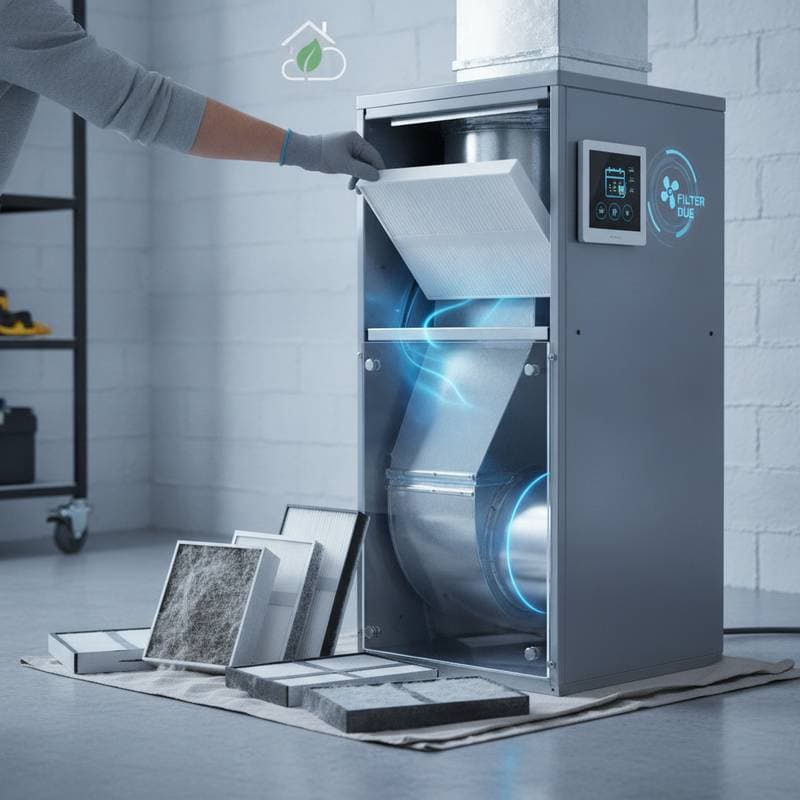
Set calendar alerts or enroll in automatic plans to meet the monthly deadline. Facility managers can link filter tasks to existing operations software. Homeowners who replace filters themselves must confirm correct size and airflow direction from equipment manuals. Regular attention keeps allergen levels lower and maintains steady temperatures throughout the space.
Protecting System Performance Long Term
Meeting the new schedule delivers measurable improvements in air cleanliness and operating efficiency. Planning service in advance and working with experienced providers turns the requirement into lasting value for comfort and equipment life.