HVAC Filter Schedule: Quarterly Replacement Dates
Maintaining a clean and efficient HVAC system begins with replacing the air filter on a consistent schedule. A quarterly HVAC filter replacement routine improves indoor air quality, supports efficient system operation, and extends equipment life. Many homeowners overlook this maintenance step, which leads to higher energy costs and reduced comfort. A regular schedule keeps air clean and homes comfortable throughout the year.
Understanding HVAC Filter Replacement Costs
Replacing an HVAC filter ranks among the most affordable maintenance tasks. Cost varies by filter type, size, and system requirements. Options range from basic fiberglass models to high-efficiency pleated designs that capture smaller particles.
Typical Cost Breakdown
- Basic fiberglass filters cost a few dollars each. They capture large particles and require frequent changes.
- Pleated filters cost more per unit. They trap dust, pollen, and mold spores effectively.
- High-efficiency filters such as HEPA models cost more initially yet last longer and enhance indoor air quality.
Additional Cost Factors
- System size determines filter dimensions and price.
- Indoor air quality needs increase with pets, allergies, or smoking.
- Daily system use shortens filter life compared with seasonal operation.
- Dusty or humid climates accelerate filter clogging.
DIY versus Professional Cost Comparison
Homeowners who replace filters themselves pay only the filter price. Professional service adds a fee yet often includes inspection, cleaning, and a full system check. Many residents complete the task independently after learning the correct procedure.
DIY versus Professional Replacement
Filter changes represent a straightforward task for most homeowners. Professional assistance becomes valuable in specific situations.
DIY Filter Replacement
Advantages include lower labor expense, speed, and increased awareness of routine maintenance. Drawbacks involve the need to remember dates, risk of selecting the wrong size, and potential oversight of other system issues.
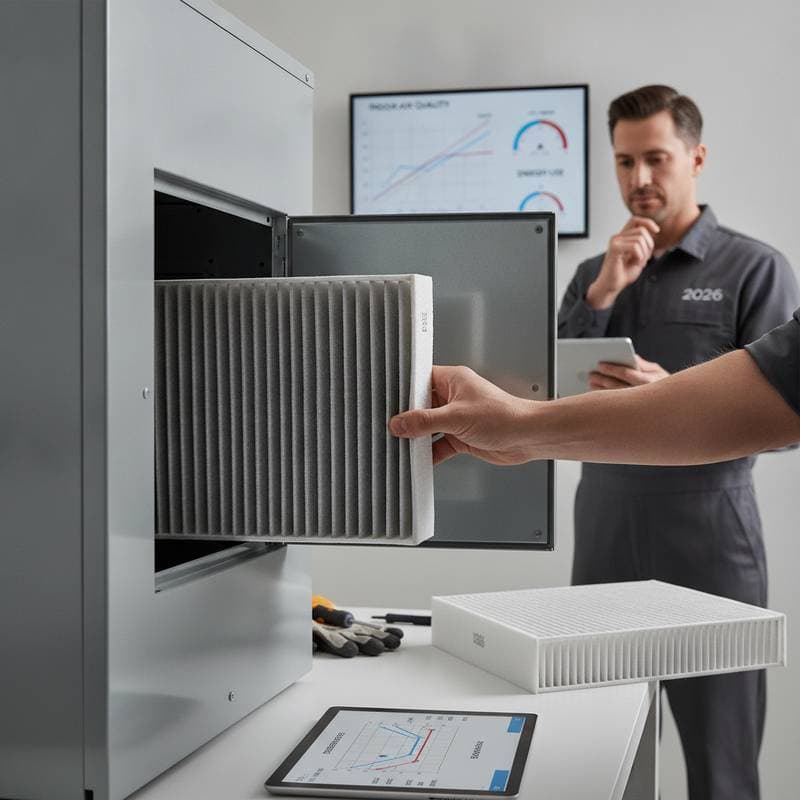
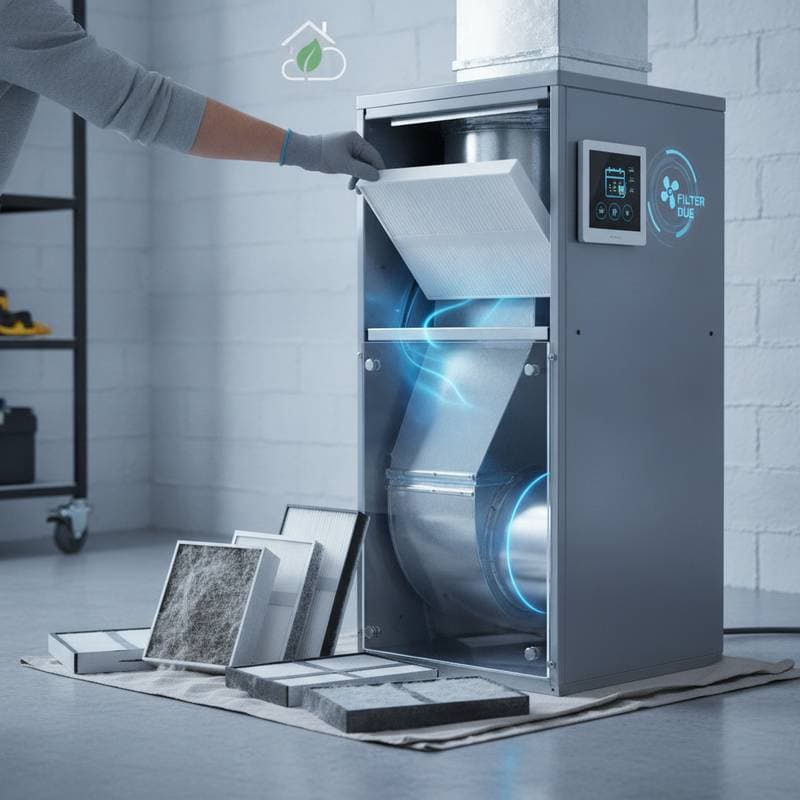
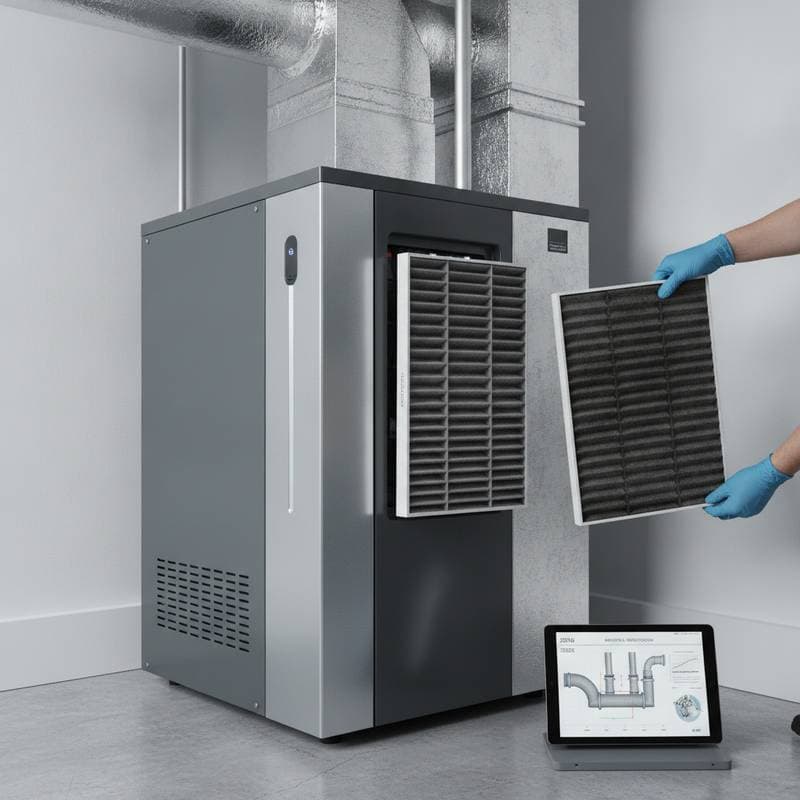
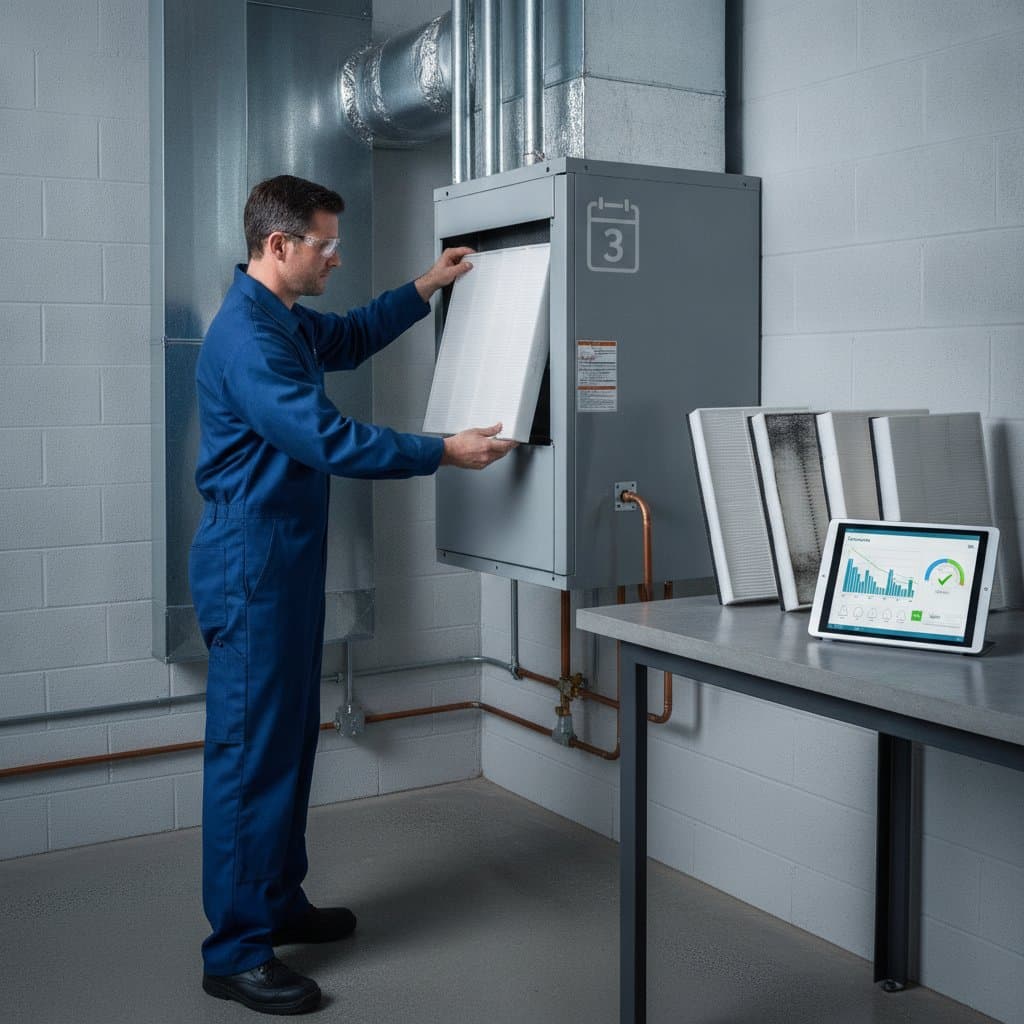
Turn the system off before starting. Locate the return vent or filter slot, remove the old filter, and note the airflow arrow. Insert the new filter in the same direction. Record the date on the frame to track future changes.
Professional Replacement and Inspection
Technicians verify airflow, examine ducts, and confirm efficient operation. This approach prevents breakdowns and improves comfort.
Professional service suits homes with multiple zones, complex ducts, uncertainty about filter specifications, unusual noises or odors, or a desire for seasonal tune-ups.
Common HVAC Filter Questions
How often should filters be replaced?
Experts recommend replacement every three months. Homes with pets or allergies benefit from changes every one to two months.
What occurs when a filter remains unchanged?
A dirty filter restricts airflow and forces the system to work harder. Energy bills rise, temperatures become uneven, and components wear prematurely.
How is the correct filter size identified?
Dimensions appear on the existing filter frame. When unavailable, measure length, width, and thickness. The correct size maintains proper airflow.
Do all filters fit every system?
Filters vary in size and thickness. An incorrect size allows air bypass or unit damage.
Should a HEPA filter be used?
HEPA filters capture fine particles yet may restrict airflow if the system is not designed for them. Consult the manual or a technician before upgrading.
Are washable filters effective?
Washable filters reduce long-term expense yet require complete cleaning and drying to avoid mold. They trap fewer fine particles than pleated models.
Can a clogged filter damage the system?
Restricted airflow increases pressure on the blower motor and can cause overheating or failure.
How do pets affect filter life?
Pet hair and dander clog filters rapidly. Homes with multiple pets should inspect filters monthly.
Should filters change more often during allergy season?
Higher pollen levels increase debris collection. More frequent changes maintain cleaner indoor air.
What signs indicate immediate replacement?
Reduced airflow, excess dust, visible dirt on the filter, or musty odors when the system runs all signal the need for a new filter.
Are tools required?
Most filters slide in and out without tools. Secured panels may need a screwdriver.
When should replacements occur?
A quarterly schedule aligns with seasonal changes. Replace filters at the start of each season.
Step-by-Step Decision Guide
Step 1: Assess the home environment
Children, pets, smokers, and outdoor pollen increase particle load. Dusty areas require closer monitoring.
Step 2: Evaluate HVAC usage
Daily operation calls for quarterly changes. Occasional use allows slight extension, yet monthly visual checks remain essential.
Step 3: Calculate true costs
Bulk purchases of mid-range filters lower the average price per unit.
Step 4: Manage risks
Neglected filters cause strain, poor air quality, and higher repair costs. Regular replacement proves less expensive than component repairs.
Step 5: Finalize the plan
Mark dates on a calendar or set phone reminders. Consistent action keeps the system efficient year-round.
Preparation for Filter Replacement
Research and gather information
Record filter type, size, and rating near the HVAC unit for quick reference.
Site preparation
Clear space around vents and the cabinet. Confirm the system is off before removal.
Timeline and scheduling
Allocate ten minutes for a DIY change. Professional visits require coordination in advance.
Budgeting tips
Purchase filters in multipacks at the start of each year to control expenses.
Benefits of Consistent Maintenance
Quarterly filter replacement protects air quality, reduces energy costs, and extends equipment life. Regular attention prevents breakdowns and supports reliable comfort throughout every season.