HVAC Filter Costs and Replacement Timing Explained
A clean HVAC filter keeps your heating and cooling system running efficiently while reducing dust, pollen, and other airborne particles inside your home. Many homeowners wonder how often filters need replacement, which rating to choose, and whether a new filter can improve indoor air quality.
The right answer depends on your system, household conditions, filter type, and indoor environment. A practical HVAC filter maintenance routine protects equipment, supports comfort, and reduces avoidable repair costs.
Understanding HVAC Filter Costs
Replacement filters commonly cost between five and thirty dollars each, depending on size, thickness, brand, and filtration rating. Basic disposable filters cost less, while high-efficiency filters may cost more and require careful system compatibility checks.
Professional service may add a labor charge when a technician inspects the filter housing, measures airflow, or diagnoses problems such as a frozen coil or weak circulation. Filter replacement itself is usually simple, yet an inspection can uncover restricted ductwork, damaged blower components, or poor sealing around the filter slot.
Filter Cost Comparison
| Filter Type | Typical Cost Range | Expected Lifespan | Best For |
|---|---|---|---|
| Basic Fiberglass | $5 to $10 | 30 days | Budget systems, light dust |
| Pleated Polyester | $10 to $20 | 60 to 90 days | Standard homes, moderate use |
| High-Efficiency (MERV 11-13) | $20 to $30 | 60 to 90 days | Allergies, pets, better air quality |
| Professional Inspection | $75 to $150 | Per visit | System diagnostics, complex installations |
Several factors affect your total HVAC filter replacement cost. Filter size matters because uncommon dimensions may cost more or require special ordering. Filter thickness influences longevity, since deeper filters often last longer but need matching equipment. Filter rating determines particle capture, though higher ratings can restrict airflow if the system cannot support them.
Household conditions also play a role. Pets, smoke, renovations, and heavy dust shorten filter life. System design determines whether you have one central filter or multiple return vents. Access affects labor costs, since hard-to-reach filters may require professional assistance.
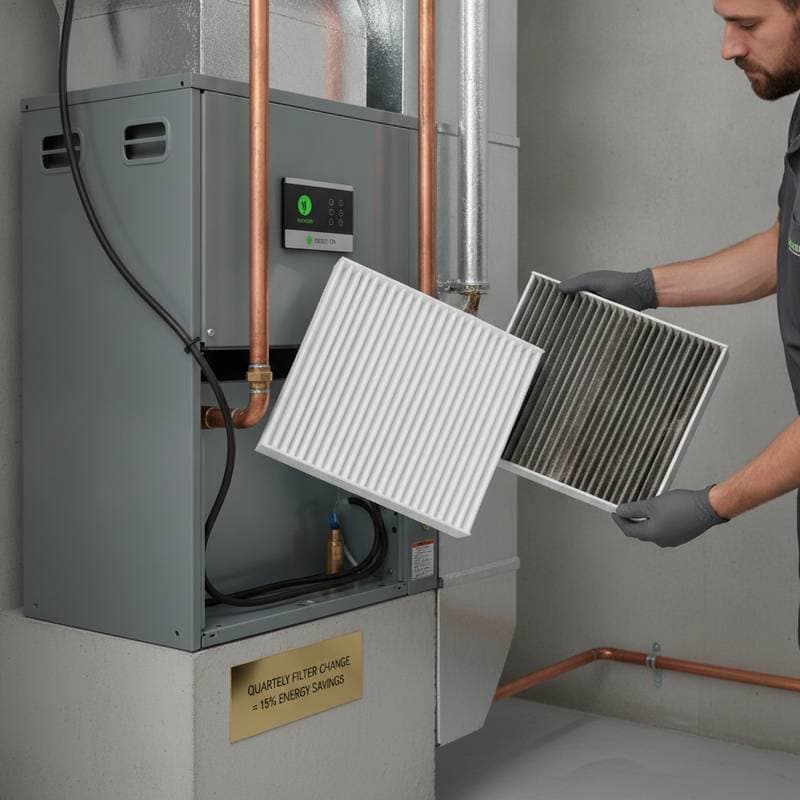
A cheap filter that remains in place too long can cost more through higher energy use and equipment strain. A filter with excessive resistance can also reduce airflow, create uneven temperatures, and contribute to coil icing.
DIY vs Professional: Making the Right Choice
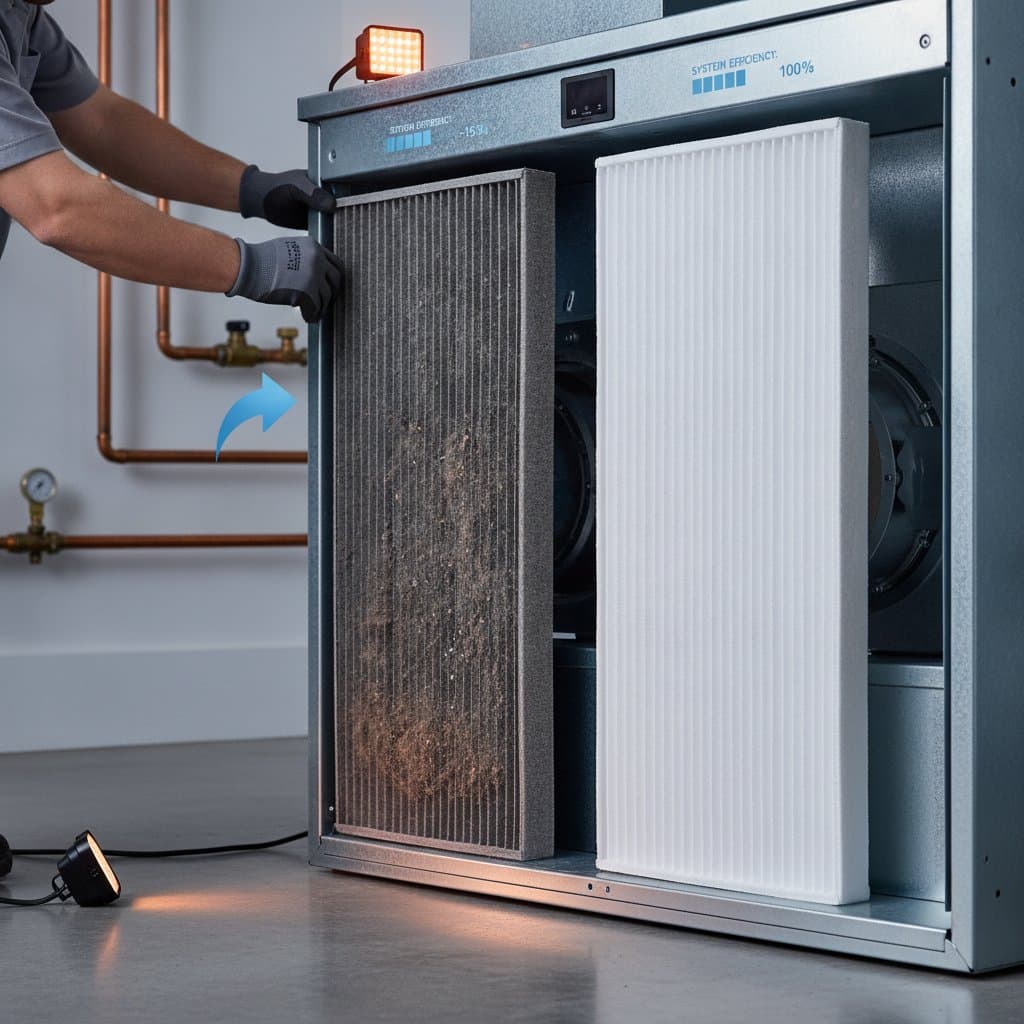
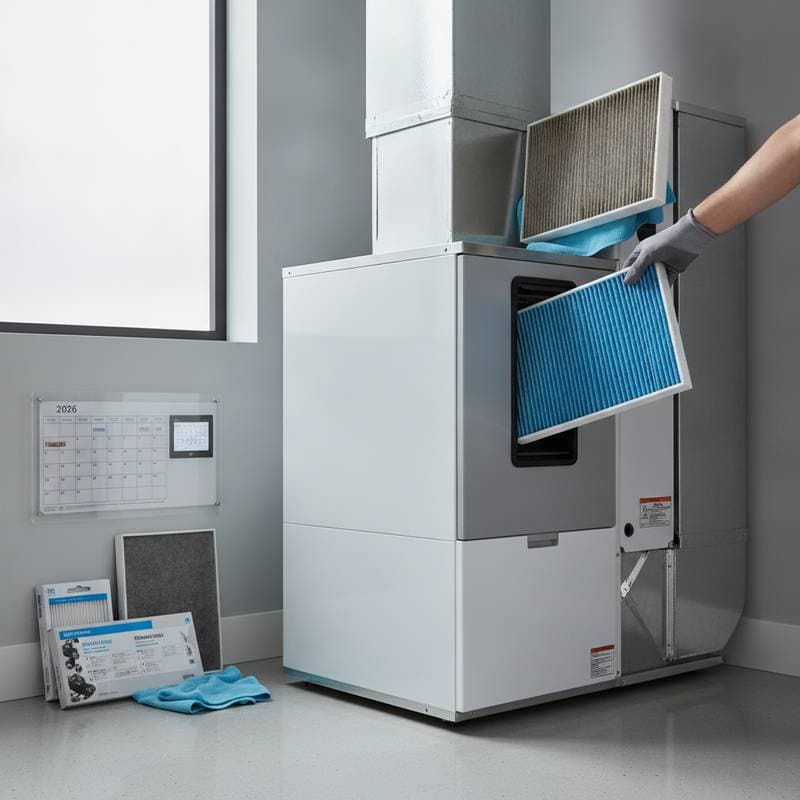
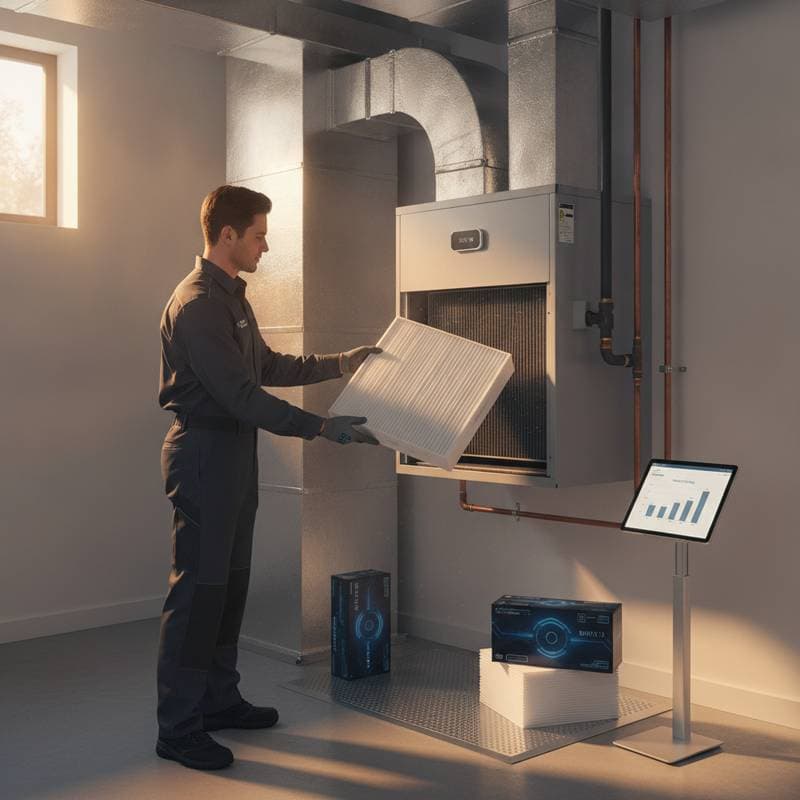
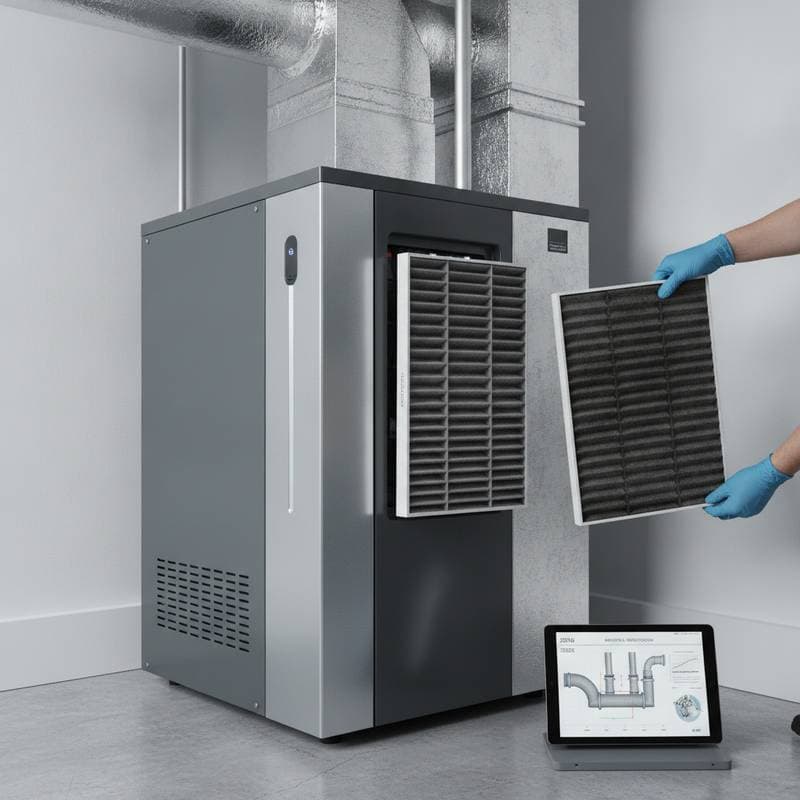
Most homeowners can replace a standard HVAC filter without professional help. The task generally requires a replacement filter, a flashlight, and a few minutes. Turn off the system, remove the old filter, check its dimensions, and insert the new one with the airflow arrow pointing toward the furnace or air handler.
DIY replacement works well when the filter location is easy to access, the size and rating are clearly marked, the filter slot is clean and undamaged, the system operates normally, and you can safely reach the equipment.
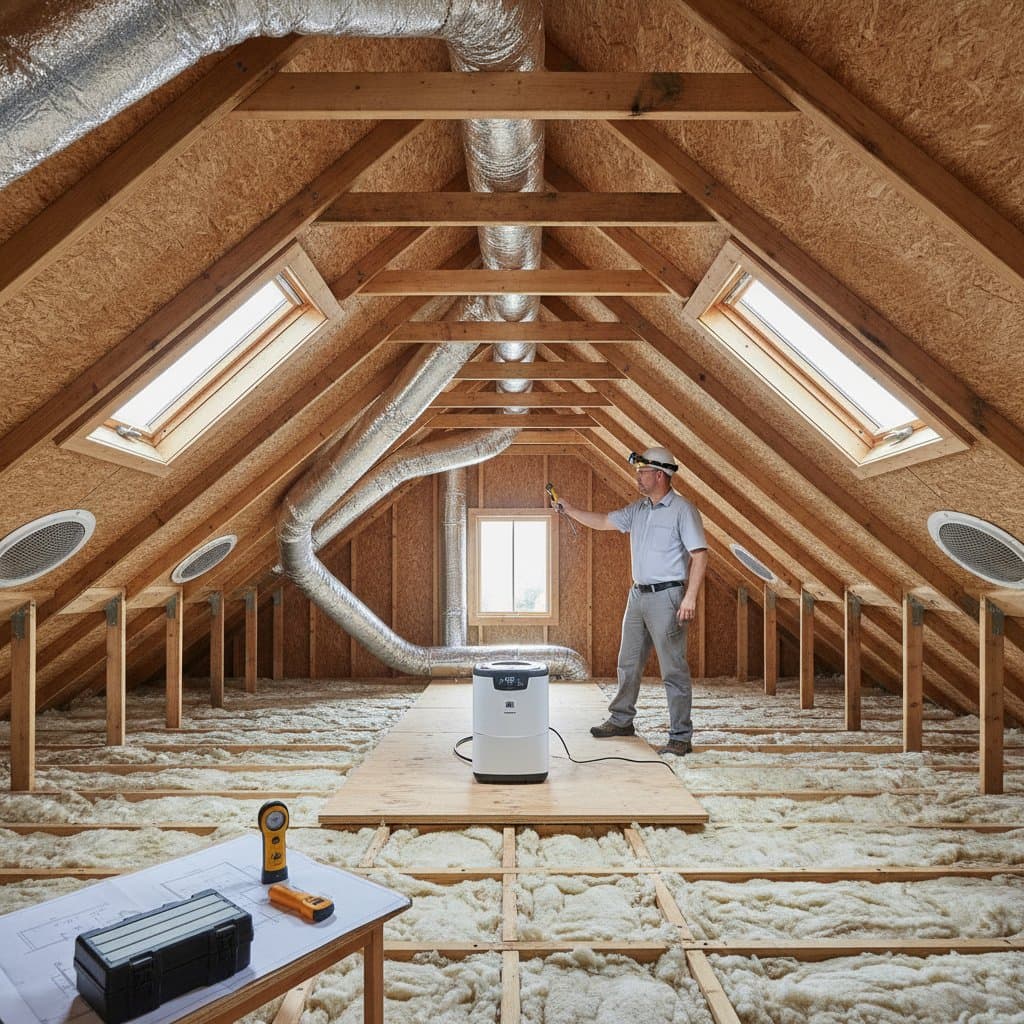
Hire a professional when the filter housing is damaged, airflow remains weak after replacement, or the system makes unusual sounds. Professional help also makes sense for attic or crawl space equipment, commercial style filtration systems, and households with severe allergy concerns.
Safety matters. Never force a filter into place, block return vents, or operate the system without a required filter. Shut off power before reaching near moving parts or electrical components. If you smell burning, see water near the unit, or notice repeated short cycling, stop troubleshooting and request service.
Choosing a Filter Rating
A filter rating describes how effectively a filter captures particles. Higher ratings can improve dust control, but they are not automatically better for every HVAC system. Ask a qualified technician to confirm the recommended rating before upgrading.
A filter should fit snugly without bending, gaps, or excessive force. Air bypassing the filter can carry dust into the equipment and reduce the value of the upgrade.
Your HVAC Filter Questions, Answered
Answers to commonly asked questions from industry experts.
How often should I replace an HVAC filter?
Inspect it monthly. Many homes need replacement every one to three months, while homes with pets, smokers, allergies, or construction dust may need more frequent changes.
What signs indicate a clogged filter?
Look for visible dirt, weak airflow, dusty rooms, uneven temperatures, rising utility bills, or unusual system cycling.
Can a dirty filter damage my HVAC system?
Yes. Restricted airflow can strain the blower, reduce cooling performance, freeze coils, and increase repair needs.
Should every home use a high efficiency filter?
No. The system must support the filter's resistance. A technician can recommend a safe rating.
Does filter replacement improve indoor air quality?
It can reduce airborne dust and some particles, especially when the filter fits correctly and is changed on schedule. Filtration cannot remove every pollutant.
What should I ask an HVAC professional?
Ask which filter size and rating fit your system, how often to replace it, and whether the ductwork or filter cabinet needs sealing.
Are washable filters a good choice?
They can be useful when cleaned thoroughly and dried completely. Poor cleaning can encourage odors, mold growth, and airflow problems.
Do local rules require a specific filter?
Building requirements can differ by property type and system design. Ask a licensed professional about applicable ventilation or mechanical requirements before making major changes.
How to Decide: Your Step by Step Guide
Start by finding every filter in the home. Check the printed size, inspect the condition, and record where each filter belongs. Next, review household factors such as pets, respiratory sensitivities, smoke, and renovation activity.
Calculate the true cost by including filters, replacement frequency, and possible service calls. A longer lasting filter may not provide value if it restricts airflow or costs more than your system needs.
Assess risk before choosing DIY service. Easy access and clear instructions support replacement at home. Confined spaces, electrical hazards, damaged cabinets, or persistent HVAC symptoms call for professional care.
Preparing for Your HVAC Filter Project
Begin your HVAC filter project by gathering the necessary tools and supplies. You will need the correct replacement filter, a flashlight for dark spaces, and a notepad to record measurements and observations.
Turn off your HVAC system at the thermostat before starting any work. Locate the filter access panel, which is typically near the return air duct or inside the furnace cabinet. Remove the old filter carefully and note its dimensions, including length, width, and thickness.
Check the airflow direction arrow on the old filter before discarding it. This arrow indicates which way the new filter should face when installed. Clean any visible debris from the filter slot before inserting the replacement.
Install the new filter with the airflow arrow pointing toward the furnace or air handler. Ensure the filter fits snugly without gaps or bending. Replace the access panel and restore power to the system.
Test the system by running it for a few minutes and checking for unusual sounds or weak airflow. Monitor the new filter's condition after the first month to establish your replacement schedule.
When Professional Service Makes Sense
Some situations require professional HVAC service rather than DIY filter replacement. Damaged filter housings, unusual system noises, or persistent airflow problems indicate the need for expert diagnosis.
Attic or crawl space installations often benefit from professional handling due to safety concerns and difficult access. Commercial filtration systems require specialized knowledge and equipment that most homeowners do not possess.
Severe allergy concerns may warrant professional air quality testing and filter recommendations. A technician can assess your entire system and recommend the most effective filtration solution for your specific needs.
Schedule annual professional maintenance to complement your regular filter changes. This service includes comprehensive system inspection, cleaning, and performance optimization that extends equipment life and maintains efficiency.