
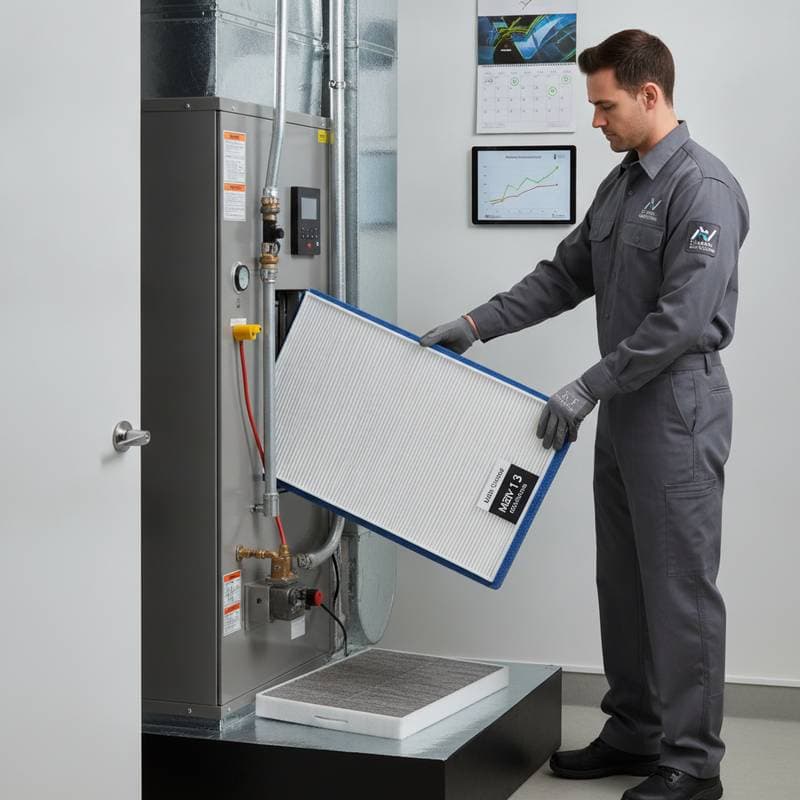
Quarterly HVAC Filter Replacement Schedule
A well maintained HVAC system maintains clean indoor air, lowers energy expenses, and prolongs equipment life. The air filter serves as the primary barrier against dust, allergens, and debris. Regular replacement prevents poor air quality and reduces strain on the blower motor and coils. A quarterly schedule maintains system balance through seasonal variations.
Importance of a Quarterly Replacement Routine
HVAC units draw in air containing particles from everyday activities. Dust, pet dander, pollen, and cooking residues accumulate on the filter. Restricted airflow then increases energy consumption and reduces comfort levels. A structured quarterly approach allows planning ahead to avoid performance issues.
Homeowners who replace filters on schedule report improved air quality and reduced utility costs. A clogged filter can increase energy consumption by up to 15 percent. This difference accumulates into meaningful annual savings.
Filter Ratings and Selection Criteria
The MERV rating indicates filtration effectiveness.
- MERV 1 to 4: Basic protection for simple systems.
- MERV 5 to 8: Appropriate for standard residential use.
- MERV 9 to 12: Recommended for households with pets or allergy issues.
- MERV 13 and higher: Suitable for demanding environments when the system supports it.
Higher ratings enhance particle capture but may impede airflow if incompatible with the equipment. Consult the system manual for compatible options.
Winter Filter Management
During winter, systems operate in extended heating modes. Closed windows increase recirculation of indoor particles. Begin the year with a new filter to support efficient furnace operation.
Inspect the filter at the end of the quarter. Replace it if visible dirt appears. Households with pets or smokers often require an extra change before spring. Standard pleated filters cost between 10 and 25 dollars, while premium models reach 40 dollars.
Spring Allergen Reduction Steps
Spring introduces pollen, mold spores, and fine dust into the air stream. These particles collect rapidly inside ducts and on filters. Install a fresh filter at the season start to prepare for increased allergen loads.
Residents with seasonal allergies benefit from a MERV 11 rating or higher. This specification captures smaller particles such as mold spores. Vacuum supply vents and return grilles gently to remove surface accumulation.
Summer Energy Optimization
Air conditioning operates for extended daily periods during summer. Filters collect debris faster in humid conditions or during wildfire smoke events. Replace the filter at the season start and inspect monthly under high demand.
A soiled filter extends runtime and increases compressor workload. Homeowners frequently observe improved cooling within hours after replacement. Examine the filter housing for moisture. Damp conditions require checks on the condensate drain and evaporator coil.
Fall System Preparation
The transition from cooling to heating occurs in fall. Replace the filter early in the season to remove accumulated summer dust. This step reduces the chance of odors when heating activates.
Inspect the blower compartment and vacuum with a soft brush attachment. Reusable filters require rinsing with mild soap and complete drying before reinstallation. Schedule professional maintenance during this period to address belts, coils, and thermostat calibration.
Determining Replacement Intervals
Quarterly changes suit most homes, yet certain conditions require adjustments.
- Every 30 days: Multiple pets, large households, or high dust exposure.
- Every 60 days: Moderate use or single pet occupancy.
- Every 90 days: Light use or vacation properties.
Mark the installation date on the filter frame. Maintenance reminder applications provide additional alerts.
Practical Installation Guidelines
- Confirm exact filter dimensions before purchase.
- Align directional arrows toward the blower during insertion.
- Store spare filters in a dry location for immediate access.
- Vacuum grilles periodically to limit dust reentry.
- Investigate whistling sounds that indicate improper fit.
Achieving Consistent System Efficiency
Regular filter maintenance supports steady performance and controlled operating costs throughout the year.




