Your Essential Checklist for Chimney and Fireplace Preparation
A working chimney and fireplace create warmth, comfort, and safety during colder months. Many homeowners overlook the preparation required before lighting the first fire of the season. Neglecting this step can lead to inefficient heating, unpleasant odors, or hazardous buildup. This guide outlines a complete checklist for chimney and fireplace preparation.
Step 1: Schedule a Professional Inspection
A certified chimney sweep provides the most reliable assessment. During an inspection the technician checks for creosote buildup, cracks, leaks, or nesting materials. They also test the draft to confirm that smoke exits efficiently. Even a small amount of creosote can ignite under high heat, making inspection a vital safety step.
Costs vary depending on location and service level. A basic visual inspection typically costs between 75 and 150 dollars. A full camera assisted inspection ranges from 175 to 300 dollars. Many companies offer seasonal discounts, so scheduling early can help reduce expenses.
Step 2: Arrange Professional Cleaning
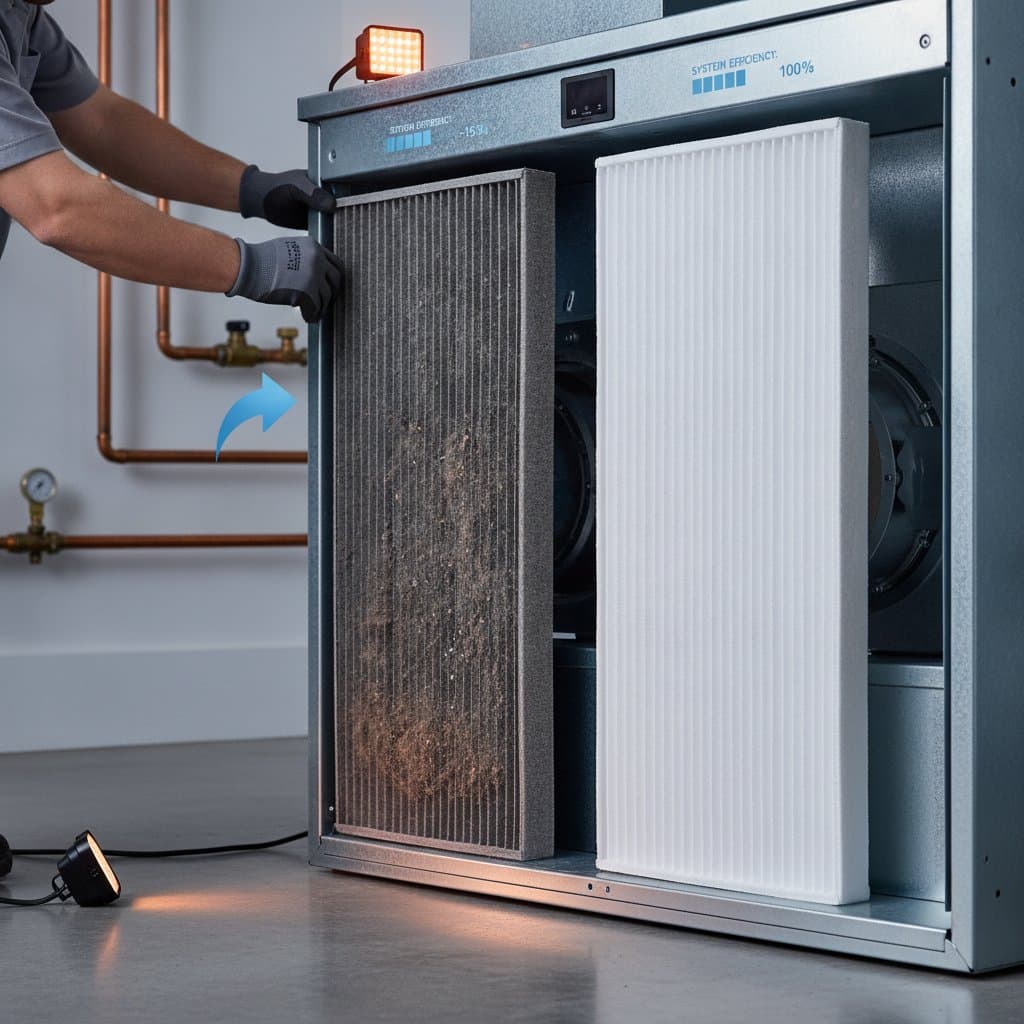
After inspection, arrange for cleaning if creosote or debris is present. A thorough cleaning removes buildup that restricts airflow and increases fire risk. Technicians use specialized brushes and vacuums to clear the flue completely. Annual cleaning keeps the system efficient and extends its service life.
Step 3: Inspect and Repair the Chimney Cap and Crown
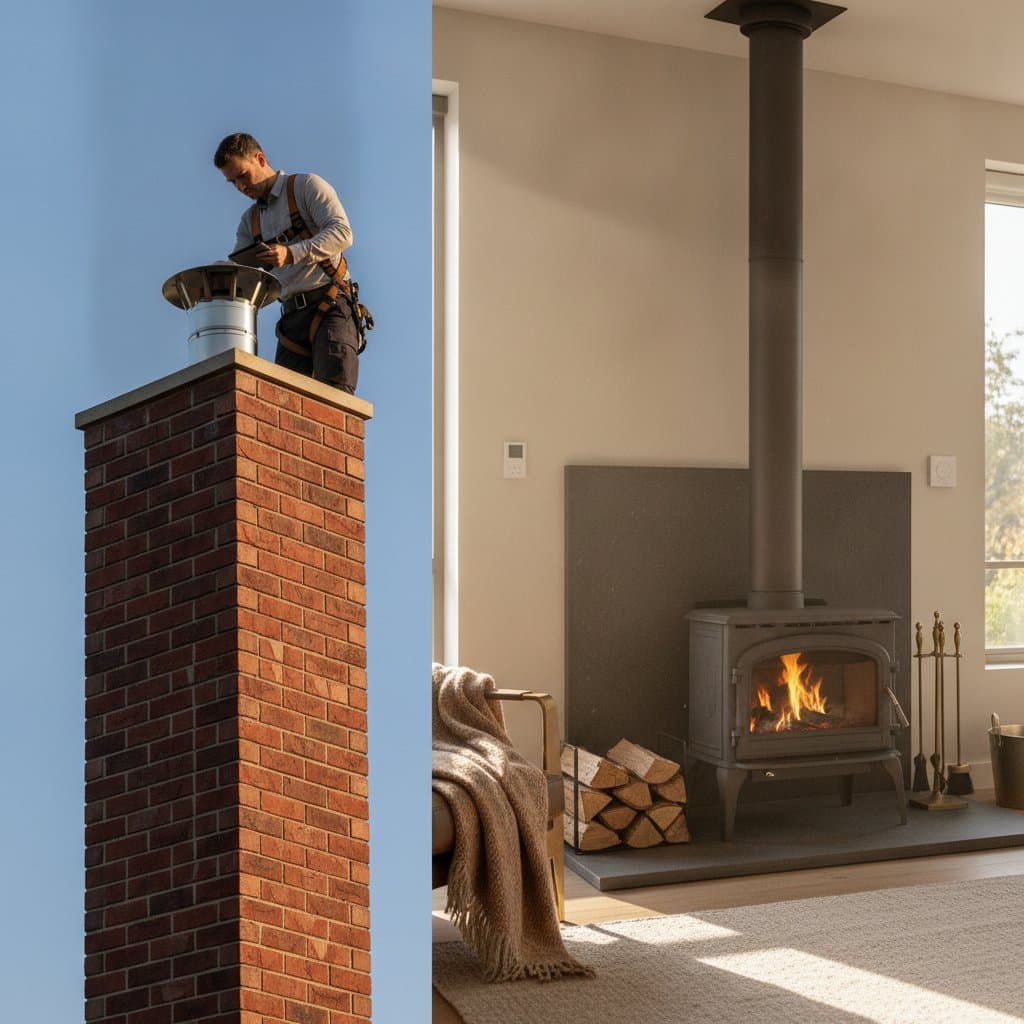
The chimney cap prevents rain, snow, and animals from entering the flue. A damaged or missing cap allows moisture to seep inside, leading to rust, mold, or structural deterioration. Inspect the cap for corrosion or loose fittings. Replacement costs range from 100 to 300 dollars for a standard stainless steel model.
The crown seals the masonry from water intrusion. Cracks or chips in the crown can cause leaks that damage interior walls and the chimney structure. Patch small surface cracks with waterproof sealant. Larger issues often require professional repair, with costs between 200 and 600 dollars.
Step 4: Check the Damper and Flue Liner
Open and close the damper to verify smooth operation. A stuck damper allows heat loss or drafts when the fireplace is not in use. Examine the flue liner for gaps or deterioration that could permit toxic gases to enter living spaces. Repair or reline the flue if damage appears.
Step 5: Clear the Surrounding Area
A clean area around the fireplace reduces fire hazards and improves ventilation. Remove decorative items, furniture, or flammable materials within three feet of the hearth. Vacuum or sweep the surrounding floor to eliminate dust and ash. Check that the hearth extension is intact and free from cracks.
Outdoor chimneys also need attention. Trim nearby branches that could drop leaves or block airflow. Examine exterior brickwork for signs of discoloration that may indicate leaks.
Step 6: Install or Test Safety Devices
Test carbon monoxide detectors and smoke alarms near the fireplace. Replace batteries if needed and confirm that alarms respond to test signals. Consider adding a chimney alarm that detects blockages. These devices provide early warning and protect occupants from hidden dangers.
Step 7: Stock Up on Proper Fuel
The right fuel makes a major difference in both performance and safety. For wood burning fireplaces use seasoned hardwoods like oak or maple. These woods burn hotter and produce less creosote than softwoods. Firewood should have less than 20 percent moisture content. A full cord of seasoned hardwood costs between 250 and 400 dollars depending on region.
Gas fireplaces require inspection of the fuel line and pilot assembly. Contact a licensed gas technician if unusual odors or weak flames appear. For pellet stoves clean the hopper and confirm that pellets are dry and free from dust.
Step 8: Gather Essential Tools and Accessories
Keep a fireproof container for ash removal and a set of fireplace tools nearby. Store matches or a lighter in a safe location. Maintain a supply of dry kindling to start fires efficiently. These preparations support safe and convenient operation throughout the season.
Step 9: Schedule Routine Maintenance
Consistent maintenance extends the life of the chimney and fireplace while preventing costly repairs. Many homeowners schedule cleaning and inspection together once per year. Between professional visits empty ash regularly and inspect the firebox for cracks. Keep records of each service appointment to track wear.
Ongoing Performance Monitoring
Preparation does not end after the first use. Continue to monitor performance throughout the season. Stop using the fireplace if smoke enters the room, burning appears uneven, or unusual odors arise. Contact a technician promptly for further assessment. A well prepared chimney and fireplace deliver reliable warmth while reducing the risk of fire or carbon monoxide exposure.