Proper Attic Ventilation Boosts Summer Cooling Efficiency
A well-ventilated attic keeps a home cooler during summer months. Many homeowners focus on insulation and air conditioning upgrades yet overlook how attic airflow affects indoor comfort and energy costs. Proper ventilation balances temperatures, prevents moisture buildup, and reduces the workload on cooling systems.
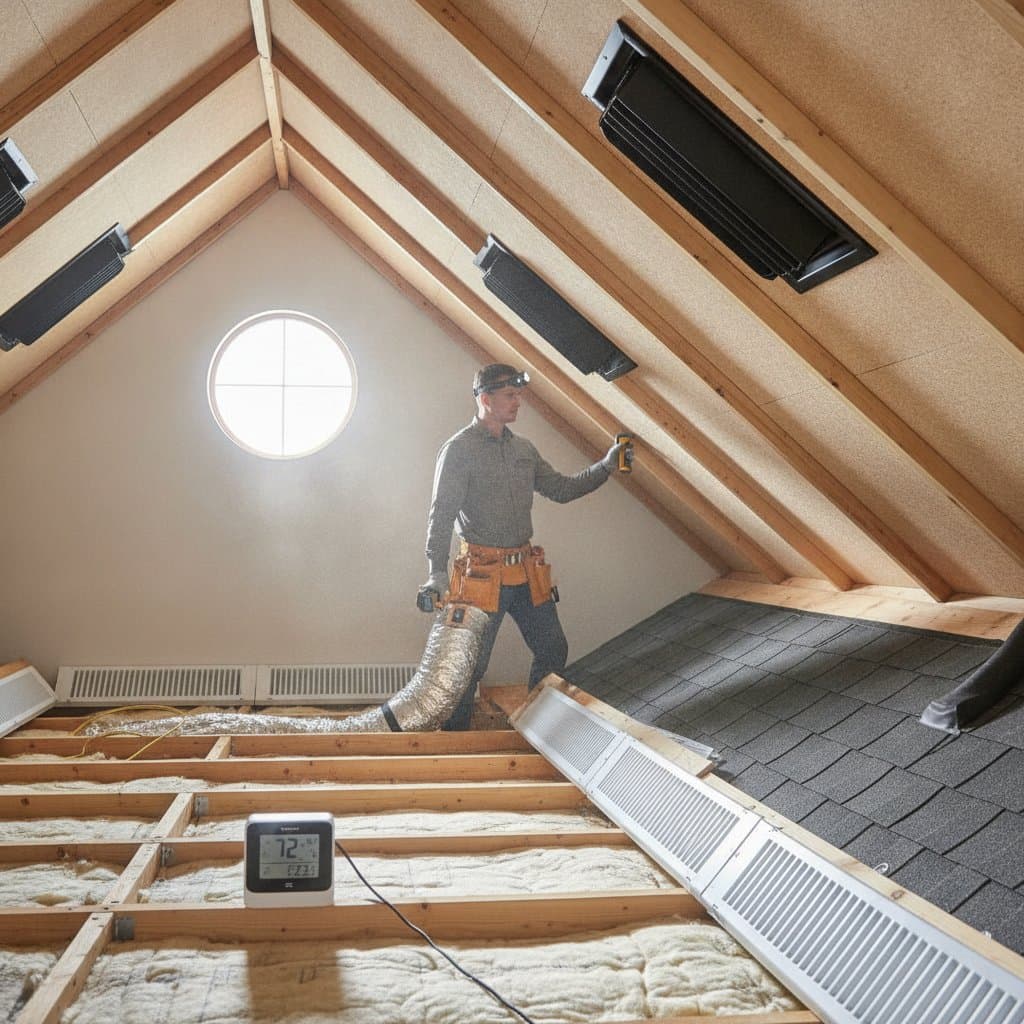
Air movement in attics relies on temperature differences and pressure differences. Warm air rises and exits through higher openings such as ridge or gable vents. Cooler air enters through lower openings like soffit or eave vents.
This stack effect works best with a clear path for airflow. Blocked intake or exhaust vents slow circulation and allow heat and moisture to accumulate. A balanced system uses equal areas of intake and exhaust measured in net free area. Most homes need one square foot of ventilation for every 300 square feet of attic floor space, split evenly between intake and exhaust.
Key Benefits of Proper Attic Ventilation
Lower Cooling Costs
Cooler attic air reduces heat transfer into living spaces. The air conditioner runs less frequently and can cut energy use by 10 to 20 percent in many homes. Savings vary with climate, roof color, and insulation levels, yet most homeowners see lower electricity bills after the first season.
Extended Roof Life
Excess heat and trapped moisture speed up shingle wear and cause roof decking to warp. Consistent airflow keeps materials cooler and dry. Homes with balanced ventilation often need fewer premature roof repairs.
Healthier Indoor Air Quality
Poor ventilation allows moisture to condense on rafters and insulation. This moisture supports mold growth that can spread through ceiling leaks or air ducts. A properly ventilated attic dries quickly after storms or humid periods and lowers the risk of mold.
Stable Indoor Comfort
A superheated attic can create temperature swings between rooms even with strong insulation. Balanced ventilation maintains a consistent indoor climate. Rooms below the attic feel less stuffy during peak afternoon heat.
Types of Attic Vents and How They Work
Soffit Vents
Soffit vents serve as intake openings under the eaves. They draw cooler outdoor air into the attic. Continuous soffit vents deliver steady airflow along the entire roofline. Circular or rectangular vents also work when spaced evenly.
Ridge Vents
Ridge vents run along the roof peak and act as exhaust outlets. They release rising hot air and pair well with continuous soffit vents to create a passive system.
Gable Vents
Gable vents sit on exterior walls near the roof peak. They promote cross-ventilation and serve as the main exhaust path in older homes without ridge vents. Effectiveness depends on wind direction and attic layout.
Roof Vents
Box or turtle vents are smaller exhaust openings placed near the roof peak. They suit roofs where ridge vents are not feasible. Several units may be required to achieve balanced airflow.
Powered Attic Fans
Electric or solar-powered fans pull hot air from the attic. They help when natural ventilation falls short or when complex roof angles limit flow. These fans require sufficient intake vents to avoid pulling conditioned air from living spaces.
Planning and Sizing Your Ventilation System
Measure the attic floor area first. Divide that number by 300 to determine total ventilation square footage needed. Split the total evenly between intake and exhaust. An attic of 1,200 square feet requires roughly 4 square feet of ventilation, or 2 square feet each for intake and exhaust. Check each vent net free area rating to calculate the correct quantity.
Balance prevents problems. Excess exhaust without enough intake creates negative pressure that pulls cool air from inside the home. Excess intake without enough exhaust traps warm air near the peak.
Common Installation Mistakes to Avoid
Blocking Airflow with Insulation
Insulation upgrades can cover soffit vents and stop airflow. Install baffles or vent chutes along the eaves to keep vents clear while allowing insulation to reach the edges.
Mixing Vent Types Incorrectly
Combining multiple exhaust systems such as ridge vents with powered fans can disrupt flow. The fan may pull air from the ridge instead of the soffit. Choose one primary exhaust type and design the system around it.
Ignoring Moisture Control
Ventilation manages temperature and humidity. Attic floors need vapor barriers. Bathroom and kitchen exhaust fans must vent outdoors rather than into the attic. Moisture without an escape path causes long-term structural damage.
Using Too Few Vents
Undersized systems create hot spots. Verify that total vent area matches the calculated requirement. Local building codes often specify minimum ventilation ratios that apply during roof replacement.
Maintenance That Preserves Efficiency
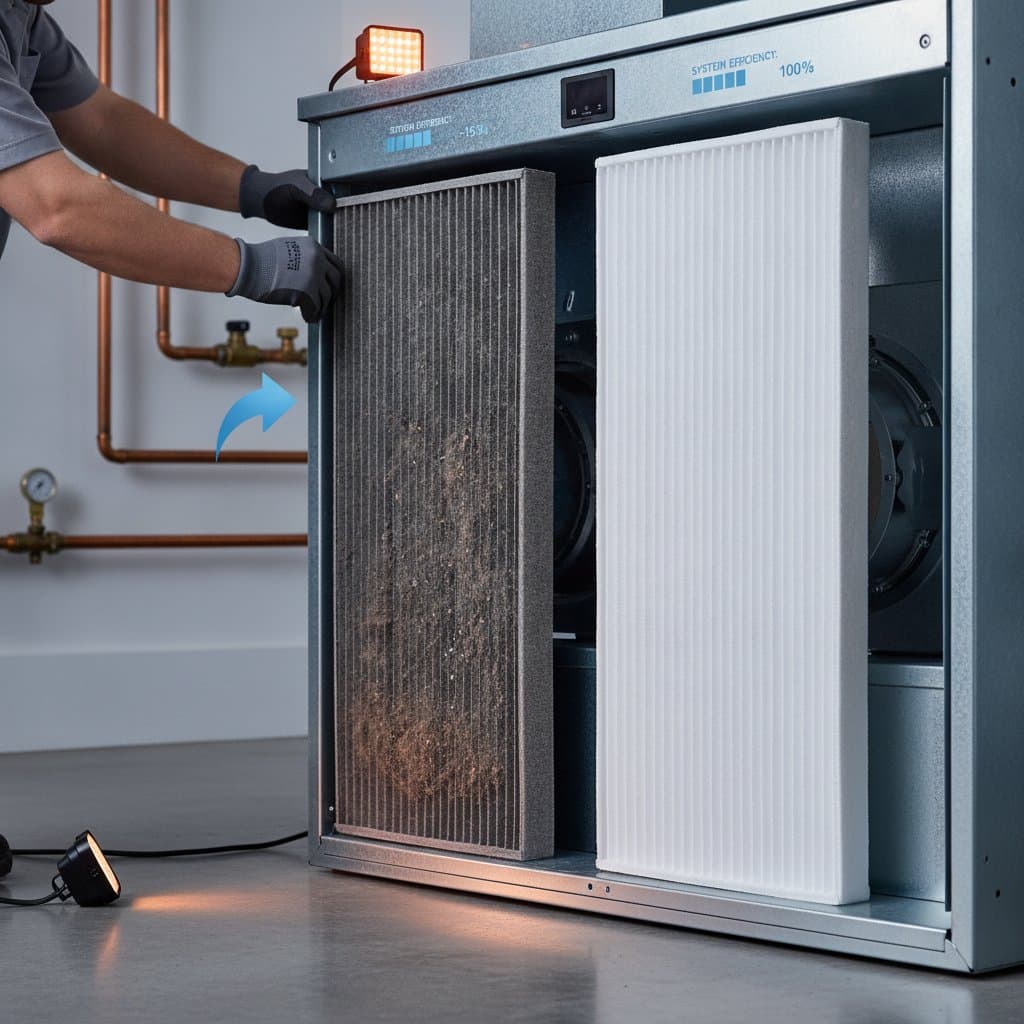
- Inspect vents each season for debris, dust, or nests. Clean screens and louvers with a vacuum or soft brush.
- Check insulation levels for gaps or compression. Keep insulation even and confirm baffles stay open.
- Watch for moisture signs such as water stains, rusted nails, or musty odors. Correct the cause before mold develops.
- Test powered fans to confirm they activate at the correct temperature settings. Replace faulty thermostats promptly.
- Assess roof condition for damaged shingles or flashing that could allow air or moisture leaks.
Cost Considerations and Return on Investment
Ventilation improvements cost less than full HVAC upgrades. Continuous ridge and soffit vent installation typically ranges from several hundred to several thousand dollars depending on roof size. Solar-powered fans add expense yet offset electricity use. Energy savings often recover installation costs within a few seasons. Longer roof life and fewer repairs add further value.
Balancing Airflow for Best Results
Roofing specialists stress that airflow balance matters more than total vent count. A well-proportioned system outperforms one with randomly placed vents. Homeowners frequently report substantial drops in attic temperature after proper upgrades. Contractors also observe fewer issues with peeling shingles and attic moisture.
Ongoing care protects both comfort and efficiency. Keep vents clear of debris, monitor humidity, and inspect the attic after extreme weather. Balanced airflow supports lower energy bills, longer roof life, and healthier indoor air.