Greywater Systems Deliver Savings Through Water Recycling
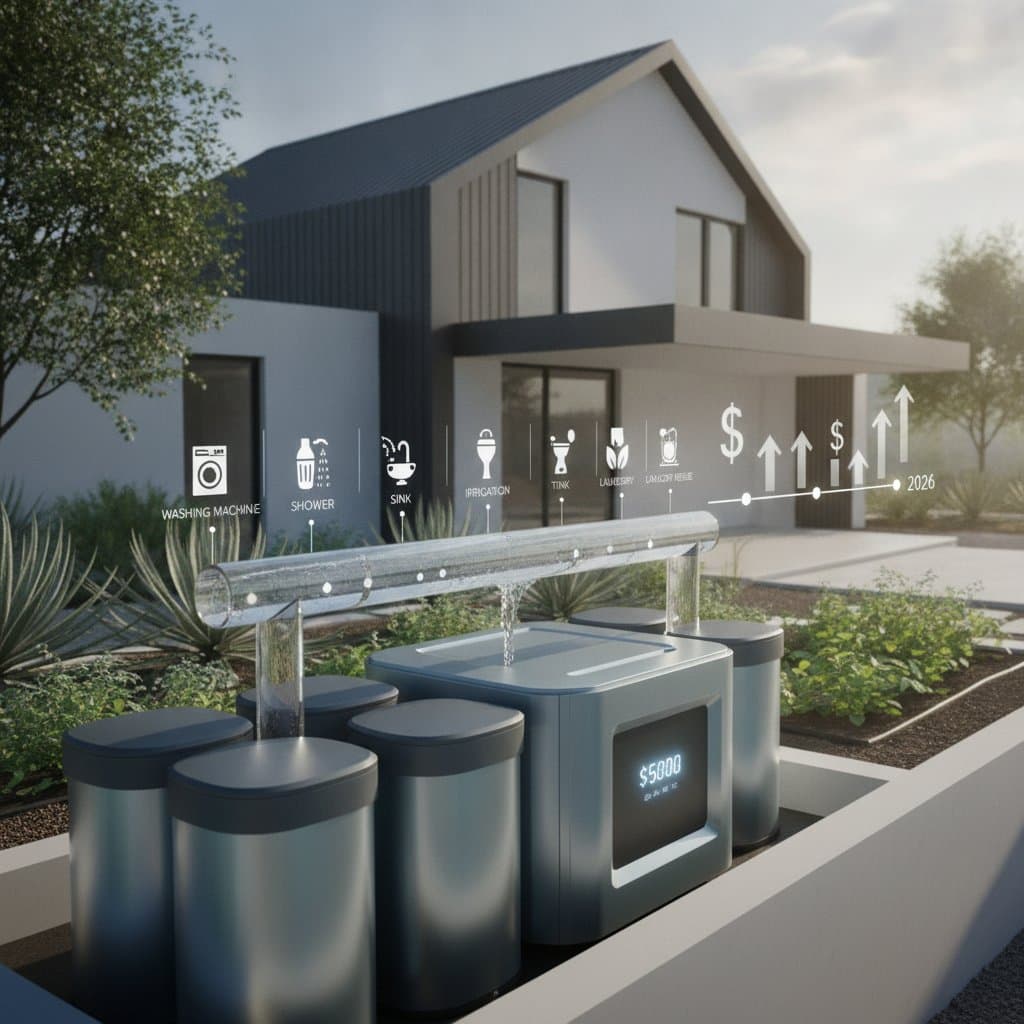
Homeowners face rising utility costs each year. Greywater systems offer one practical response by capturing water from sinks, showers, and washing machines for reuse in irrigation or toilet flushing. These setups reduce demand on municipal supplies while supporting household efficiency.
Core Components of a Greywater Setup
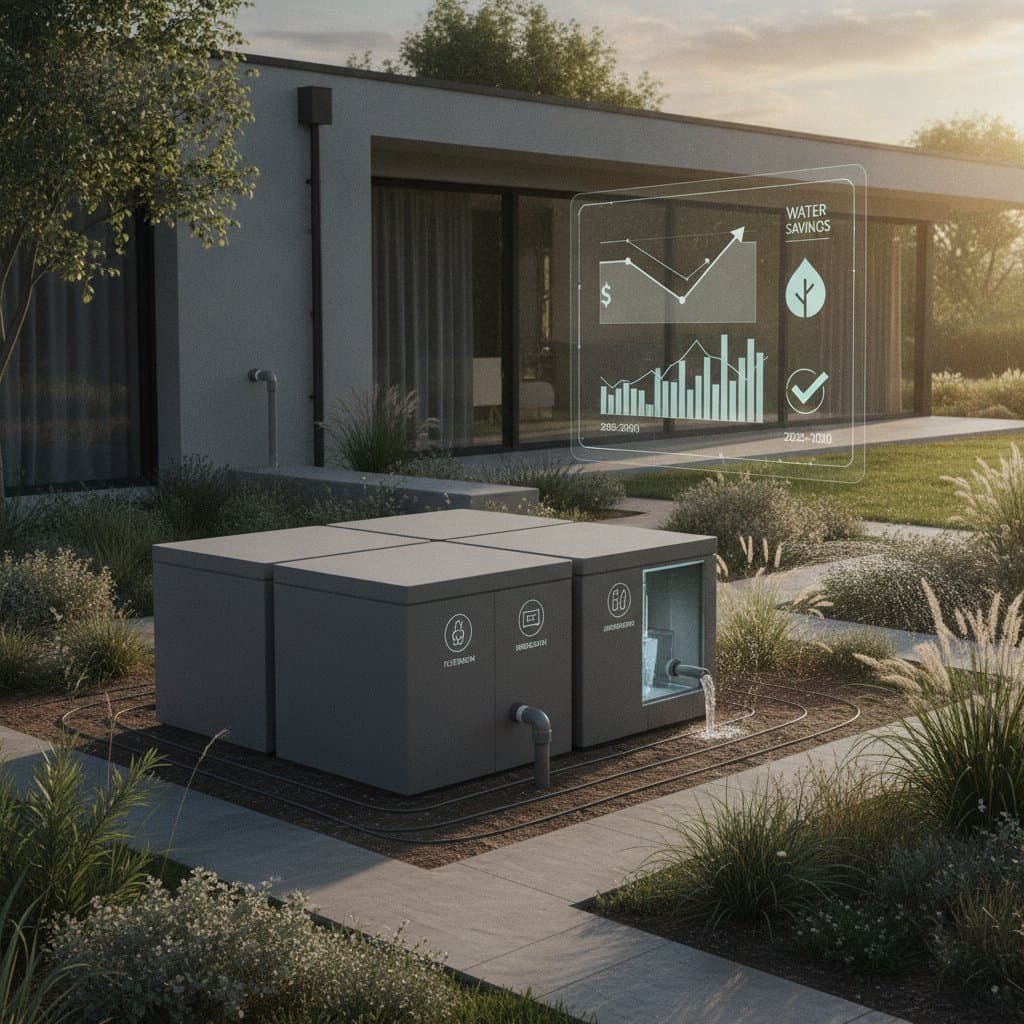
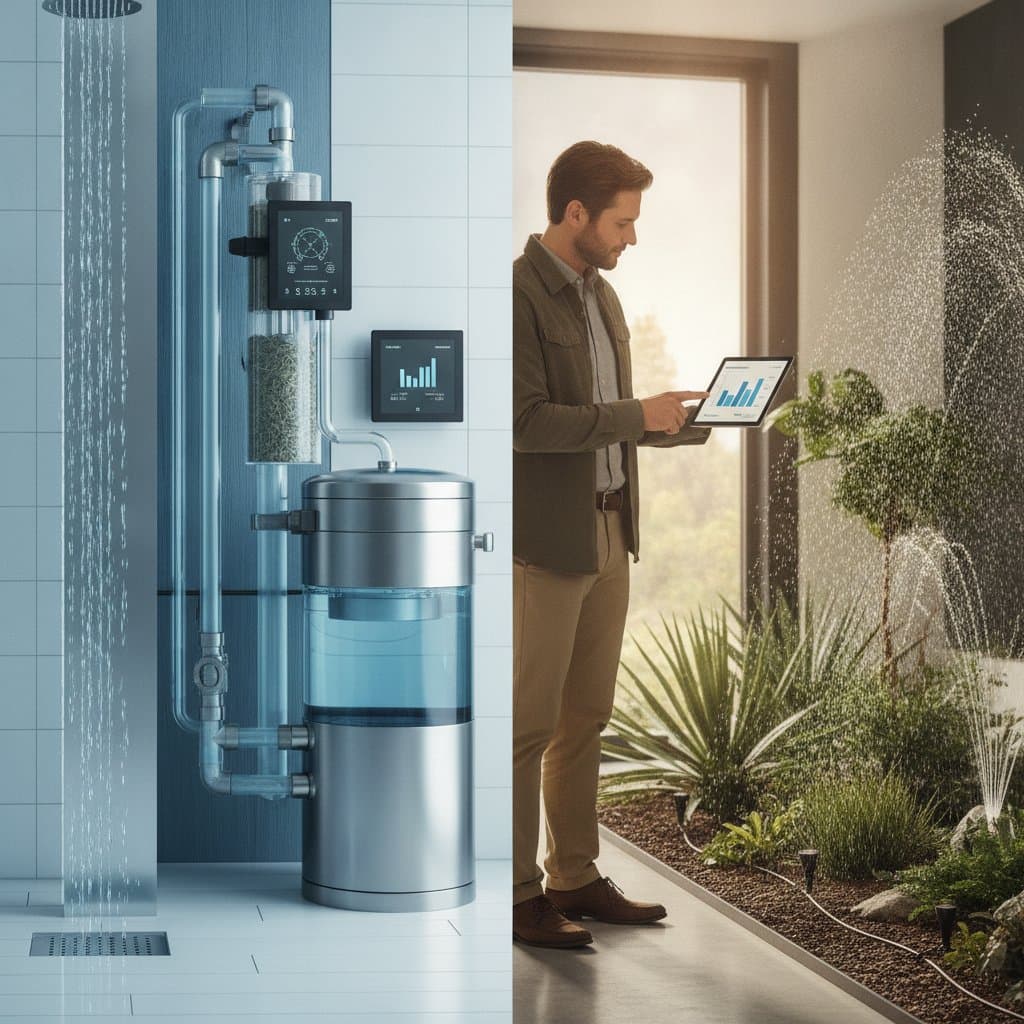
A basic system collects wastewater through dedicated pipes separate from blackwater lines. Filtration removes debris before storage in tanks or direct routing to garden beds. Pumps and valves control flow, and some models include disinfection for indoor reuse.
Advanced configurations add sensors that monitor water quality and usage. These features help homeowners track performance without constant manual checks.
2026 Cost Ranges and Factors
Basic laundry-to-landscape systems start near 2000 dollars for simple diverter valves and hoses. Full household installations with treatment and storage reach 15000 dollars when permits, excavation, and professional labor are required.
Material choices affect the final price. Polyethylene tanks cost less than concrete alternatives, while automated controls add several thousand dollars. Regional labor rates and soil conditions also influence total expenses.
Savings Potential and Payback Periods
Households in dry climates report annual water bill reductions of 20 to 40 percent after installation. A family of four using 300 gallons daily for irrigation might save 400 to 800 dollars each year.
Payback occurs between four and ten years depending on local water rates and system scale. Properties with high outdoor usage recover costs faster than those limited to indoor applications.
Environmental Advantages
Recycling greywater lowers overall freshwater extraction from rivers and aquifers. It also decreases wastewater volume sent to treatment plants, which reduces energy consumption at municipal facilities.
During drought periods the stored supply maintains landscapes that would otherwise require new water purchases. Soil health improves when nutrients from gentle soaps reach plant roots instead of entering storm drains.
Maintenance Practices
Inspect filters monthly and clean them to prevent clogs. Check tank levels and pump operation quarterly. Annual professional service verifies that valves and sensors function correctly.
Avoid bleach and antibacterial products that harm beneficial microbes in the treatment process. Select plant-friendly detergents to extend filter life and protect garden soil.
Installation Considerations
Local building codes determine whether permits are mandatory and which treatment standards apply. Soil percolation tests confirm whether subsurface irrigation is feasible on a given property.
Homeowners should map existing plumbing early to identify the most cost-effective collection points. Professional designers can integrate the system with rainwater harvesting for greater resilience.
Selecting the Right System Size
Calculate daily greywater volume from fixture counts and occupancy. Match this figure to tank capacity and distribution area to avoid overflow or underuse.
Start with a modular design that allows later expansion. This approach spreads capital outlay across multiple budget cycles while delivering immediate water savings.
Evaluating Rebates and Incentives
Many utilities offer cash rebates for verified installations that meet efficiency targets. State programs sometimes provide tax credits when systems reduce peak demand during summer months.
Contact local water agencies before purchase to confirm current incentive amounts and required documentation. Proper paperwork ensures timely reimbursement after inspection.
Planning Long-Term Performance
Document water use and maintenance activities to spot trends early. Adjust irrigation schedules seasonally to match plant needs and avoid waste.
Review system performance each spring before peak usage begins. Small adjustments at this stage prevent larger repairs later in the year.