2026 Radon Mitigation Costs: Testing and Removal Prices
Radon is an invisible and odorless gas that accumulates in homes. Long term exposure links to serious health risks. Testing and mitigation therefore form essential parts of home maintenance. Homeowners benefit from understanding the costs to make informed decisions.
This guide details the factors that shape radon testing and removal prices. It compares professional and DIY solutions. Readers learn what to expect when planning a mitigation project.
Typical Radon Testing Costs
DIY Test Kits
DIY test kits offer the most affordable way to check radon levels. These kits cost between 15 and 50 dollars. Short term kits measure radon over several days. Long term kits stay in place for months and deliver a more reliable average.
Users place the device in a designated area. They wait for the test period to finish. Then they send the kit to a laboratory for analysis. Results can vary when conditions are inconsistent. Professional confirmation is recommended when readings are elevated.
Professional Radon Testing
Professional radon measurement services cost between 100 and 250 dollars. Certified technicians employ continuous monitoring devices that record levels hourly. These tests provide higher accuracy and detect fluctuations caused by ventilation or weather changes. Many homeowners select professional testing during property transactions because the results include official documentation accepted by lenders and inspectors.
Factors That Influence Radon Mitigation Prices
- Home foundation type affects system design. Basements and crawl spaces require different approaches. Homes with multiple foundation styles often need hybrid systems that increase total cost.
- Soil and rock conditions determine installation difficulty. Dense or rocky soil extends drilling and pipe placement time.
- System location and aesthetics influence expenses. Routing vent pipes through interior walls or attics costs more than exterior runs. Many owners choose interior routes to maintain curb appeal.
- Fan quality and system features affect both price and longevity. High efficiency fans with noise reduction or energy saving options cost more yet operate longer. Average fan life spans ten years. Replacement costs range from 150 to 300 dollars.
- Regional labor rates vary by location. Areas with high radon awareness or strict building codes see higher professional charges.
Maintenance and Monitoring Costs
Installed radon systems require minimal ongoing maintenance. Owners check fan operation and monitor system pressure. Installers recommend retesting every two years to verify levels remain below EPA guidelines.
Retesting kits cost about 20 dollars. Professional retesting ranges from 100 to 150 dollars. The continuously running fan adds a modest amount to monthly electricity bills.
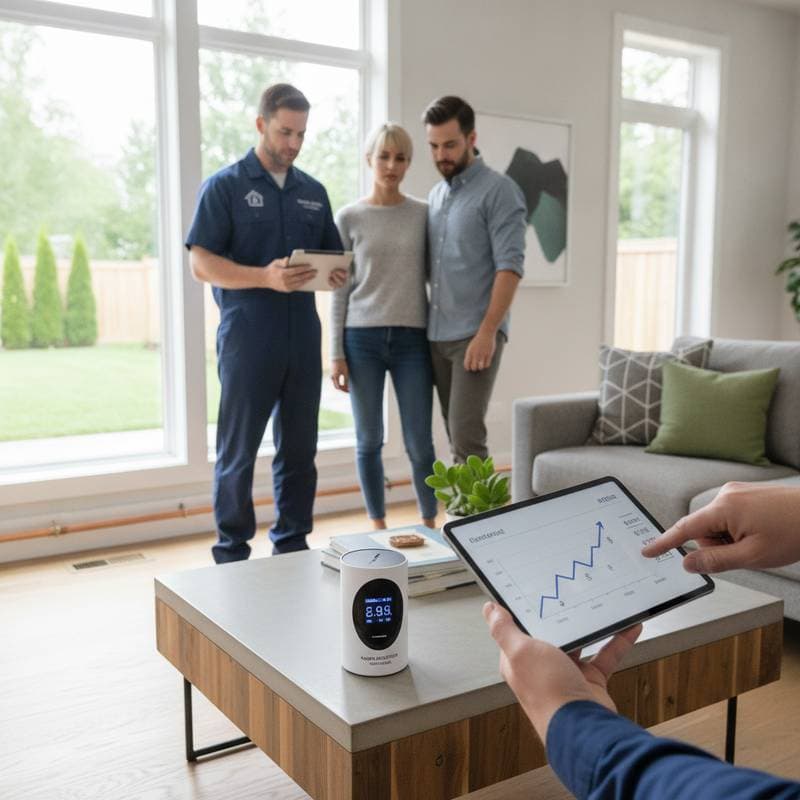
Some homeowners install digital radon monitors for real time readings. These devices cost between 100 and 250 dollars and supply data accessible through smartphone applications.
Planning Your Radon Safety Strategy
A properly installed mitigation system improves indoor air quality and protects family health. It also supports property value. Regular testing and minor upkeep keep performance consistent. Buyers increasingly request documented test results and mitigation records. Investing in a reliable system today creates a safer living environment and strengthens market position at the time of sale.