How Air Quality Systems Reduce Energy Costs While Supporting Health
Indoor air quality systems now serve as practical upgrades for homes of all sizes. These solutions remove pollutants, regulate moisture, and support efficient HVAC operation. Homeowners gain cleaner air along with lower utility bills and fewer respiratory issues.
Core Functions of Air Quality Systems
These systems capture dust, pollen, mold spores, smoke, and volatile organic compounds. They also balance humidity and promote steady airflow. Integration with existing HVAC units works for whole-home coverage, while standalone units suit smaller spaces.
Common options include:
- Whole-house purifiers connected to ductwork
- Portable units for targeted rooms
- UV lights that neutralize microbes
- Devices that adjust moisture levels
- Ventilation units that introduce filtered outdoor air
Selection depends on home size, current HVAC setup, and specific air concerns such as high pollen counts or excess humidity.
Price Ranges and Ongoing Costs
Basic portable purifiers begin at 100 to 200 dollars and serve single rooms. Filter replacements occur every few months. Mid-range whole-house filters installed in ductwork range from 800 to 2000 dollars with labor. Advanced units that combine HEPA filtration, carbon, and UV light cost between 2000 and 5000 dollars.
Smart models with sensors for particles, humidity, and carbon dioxide often exceed 3000 dollars. Annual filter changes add 50 to 300 dollars. Professional inspections once a year help maintain sensor accuracy and fan performance.
Elements That Shape Total Investment
Home square footage determines required airflow capacity. Older HVAC equipment may need upgrades before integrated units can be added. Humid climates call for stronger dehumidification to limit mold. ENERGY STAR-rated models lower electricity use and may qualify for local incentives. Smart controls increase upfront expense yet allow automated adjustments.
Documented Health Improvements
Cleaner air reduces asthma triggers, headaches, and allergy symptoms. Families report fewer coughing episodes after installing HEPA filtration. UV-C lights inactivate bacteria and viruses that travel through ducts. Humidity held between 40 and 60 percent prevents mold growth and eases skin dryness during winter.
Better airflow also lowers indoor carbon dioxide, which supports sharper focus during work hours. Reduced irritants promote deeper sleep because bedrooms stay free of dust and fluctuating moisture.
Installation Choices
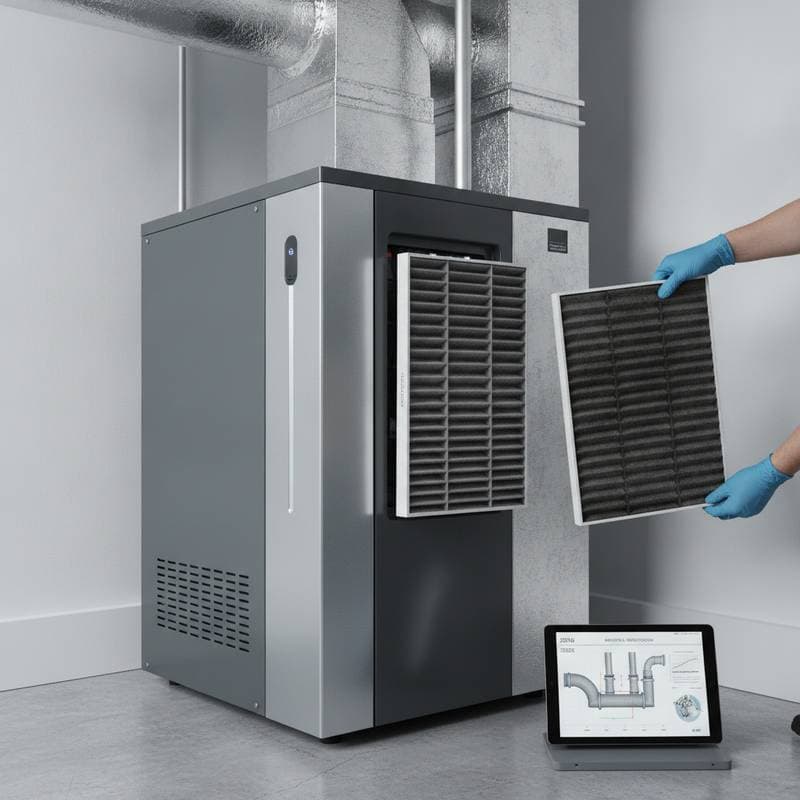
Portable units and simple filter swaps require only basic steps and manufacturer instructions. Whole-house systems, UV integration, and duct modifications call for licensed technicians. These professionals handle wiring, balance airflow, and verify seals. Many companies bundle yearly service visits that cover filter checks and sensor calibration.
Long-Term Financial Returns
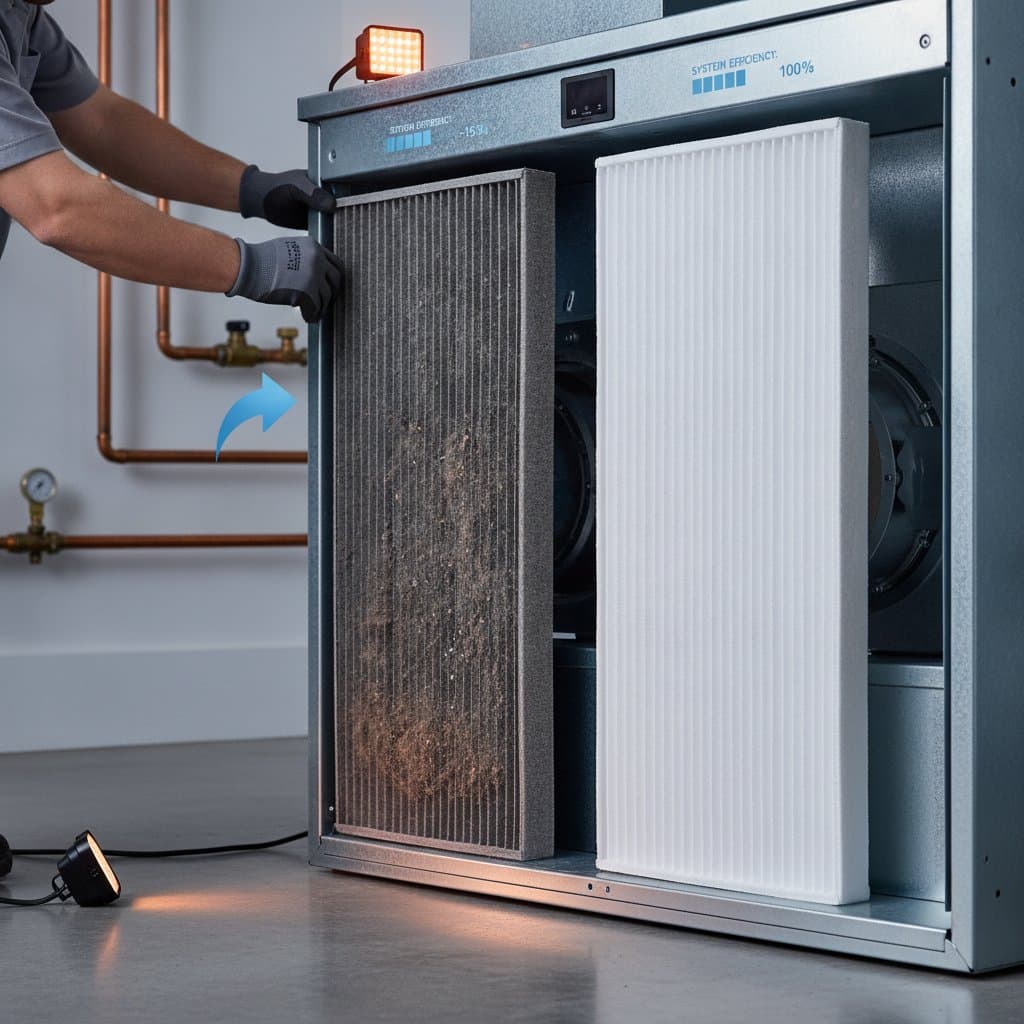
Clean coils and ducts reduce HVAC strain, which can extend equipment life by several years. Industry data indicate energy savings up to 30 percent after debris removal. Fewer missed workdays and lower medication needs add further value that appears within the first months of use.
Monitoring and Automation Features
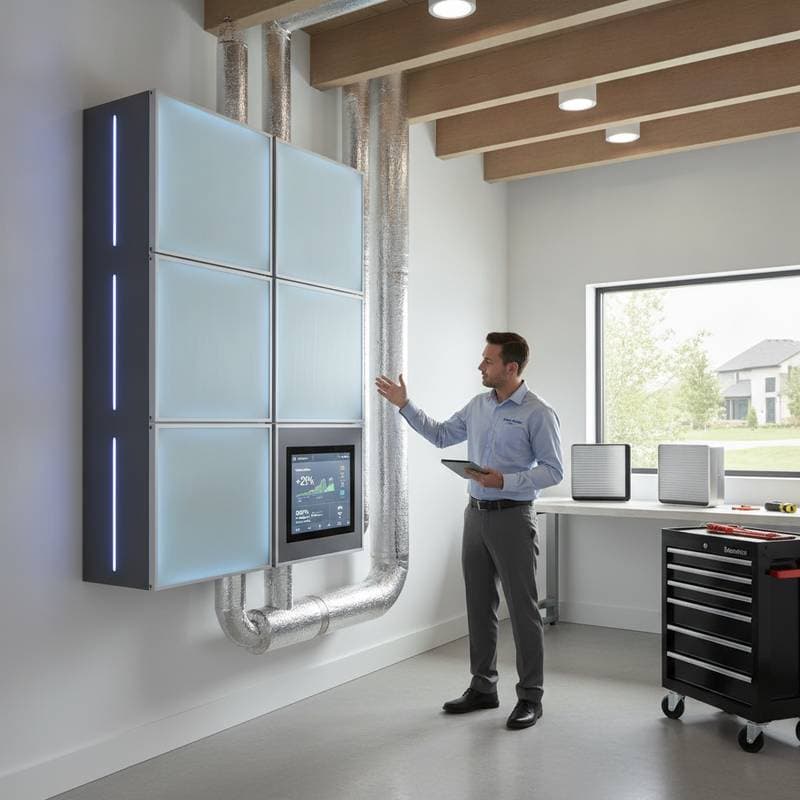
Connected systems send phone alerts when filters need attention or when pollutant levels rise. Integration with smart thermostats adjusts fan speed automatically. Homeowners avoid hot or cold spots and prevent window condensation without constant manual changes.
Signs That Point to an Upgrade
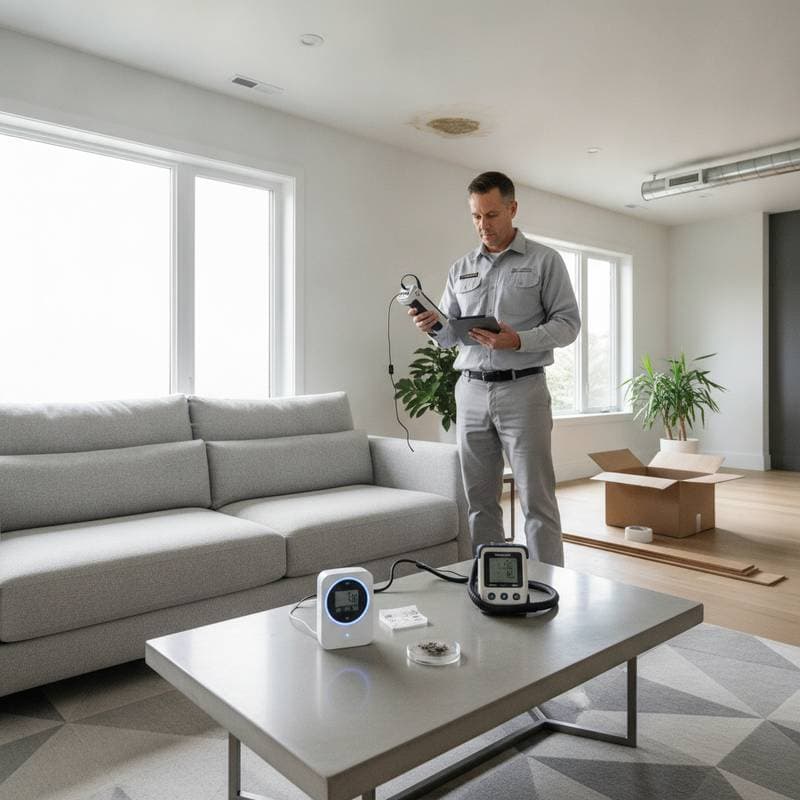
Persistent odors, visible dust near vents, or ongoing allergy flare-ups signal the need for evaluation. A professional test identifies exact pollutants and recommends targeted equipment. Filter changes before peak heating or cooling seasons keep airflow steady when windows remain closed.
Sustaining Performance Over Time
Schedule filter replacements on a calendar and inspect return grilles monthly. Replace UV bulbs on the manufacturer timeline to preserve sterilization strength. These habits protect the original investment and deliver consistent comfort throughout each season.