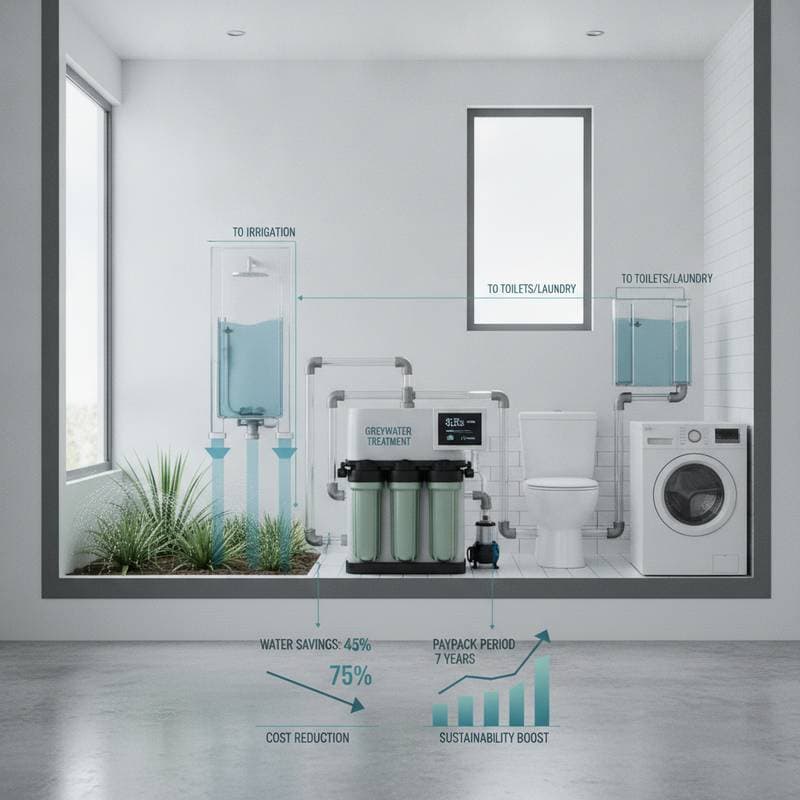
- Climate demand: High use areas can increase contractor scheduling rates.
Long Term Risks of Owner Installed Work
Initial savings disappear when leaks, odors, or clogs force later repairs. Contractor systems usually provide steadier performance and stronger cumulative returns.
Choosing Between Owner and Contractor Installation
Selection rests on plumbing experience, budget limits, and willingness to accept risk.
Advantages of Owner Installation
- Reduced starting expense for those with prior plumbing work
- Flexible design for small gardens or single fixtures
- Direct oversight of routine upkeep
Limitations of Owner Installation
- Elevated chance of contamination or code issues
- Restricted capacity for complex reuse
- Potential need for later professional correction
Advantages of Contractor Installation
- Full compliance with permits and inspections
- Optimized flow for maximum water recovery
- Extended service life from quality components
Limitations of Contractor Installation
- Greater initial investment
- Possible delays during peak demand periods
Required Skill Level and Safety Measures
Owner projects need solid plumbing knowledge. Incorrect connections risk cross contamination or flooding. Contractors apply tested parts, position filters correctly, and verify backflow prevention. When uncertainty exists, professional service offers the safer path.
Time Requirements
A modest owner project may finish in one or two days. Contractor work spans several days that include inspection and testing.
Common Questions on Greywater Systems
How long do these systems operate?
Proper care supports ten to twenty years of service. Pumps and filters may require earlier replacement based on use.
What upkeep tasks are involved?
Filter cleaning, valve checks, and line flushing occur every few months. Some units include automatic backflush features.
Are permits necessary?
Most areas require permits for indoor plumbing connections. Simple laundry to landscape lines may be exempt. Local authorities provide final confirmation.
Can greywater serve indoor fixtures?
Advanced setups can supply toilets after filtration and disinfection. Safety standards must be met.
What savings appear on water bills?
Reductions of twenty to fifty percent occur in many households once the system runs consistently.
Is greywater suitable for vegetable gardens?
Kitchen sink water carries grease and residue that make it unsuitable. Laundry and shower water work for non edible plants when biodegradable soaps are used.
How do systems perform in dry seasons?
Household water flow continues year round, supplying gardens without added municipal demand.
When does payback occur?
Five to ten years is common, depending on installation cost and local water rates. Higher reuse volumes shorten this interval.
What questions should an installer answer?
Request details on capacity, maintenance schedule, filtration method, and warranty terms. Post installation support should also be confirmed.
What signs indicate an unreliable contractor?
Skip any provider that avoids permits, uses unverified parts, or withholds references. Documented plans and clear instructions mark reliable work.
How should a home be readied?
Clear access to drain lines, mark source fixtures, and designate reuse locations. Advance planning speeds the process.
Does installation raise home value?
Sustainability features attract certain buyers. Lower ongoing bills remain appealing across markets.
What are the primary concerns?
Clogs, odors, and backups arise from poor installation. Regular inspection and correct filtration limit these problems.
Can existing systems be upgraded?
Older units accept improved pumps, filters, or tanks when compatibility is verified first.
Step by Step Decision Process
Step 1: Review Household Conditions
Measure current water use and irrigation needs. Large landscapes or high bills indicate strong potential returns.
Step 2: Match Skills to Project Scope
Hands on owners comfortable with plumbing may handle basic systems. Complex designs favor professional execution.
Step 3: Tally Complete Expenses
Add materials, permits, labor, and projected maintenance. Include a contingency for site specific adjustments.
Step 4: Weigh Installation Risks
Compare leak potential, code exposure, and long term reliability between options.
Step 5: Finalize the Path Forward
Select the route that balances budget, capability, and desired performance.
Site Preparation Actions
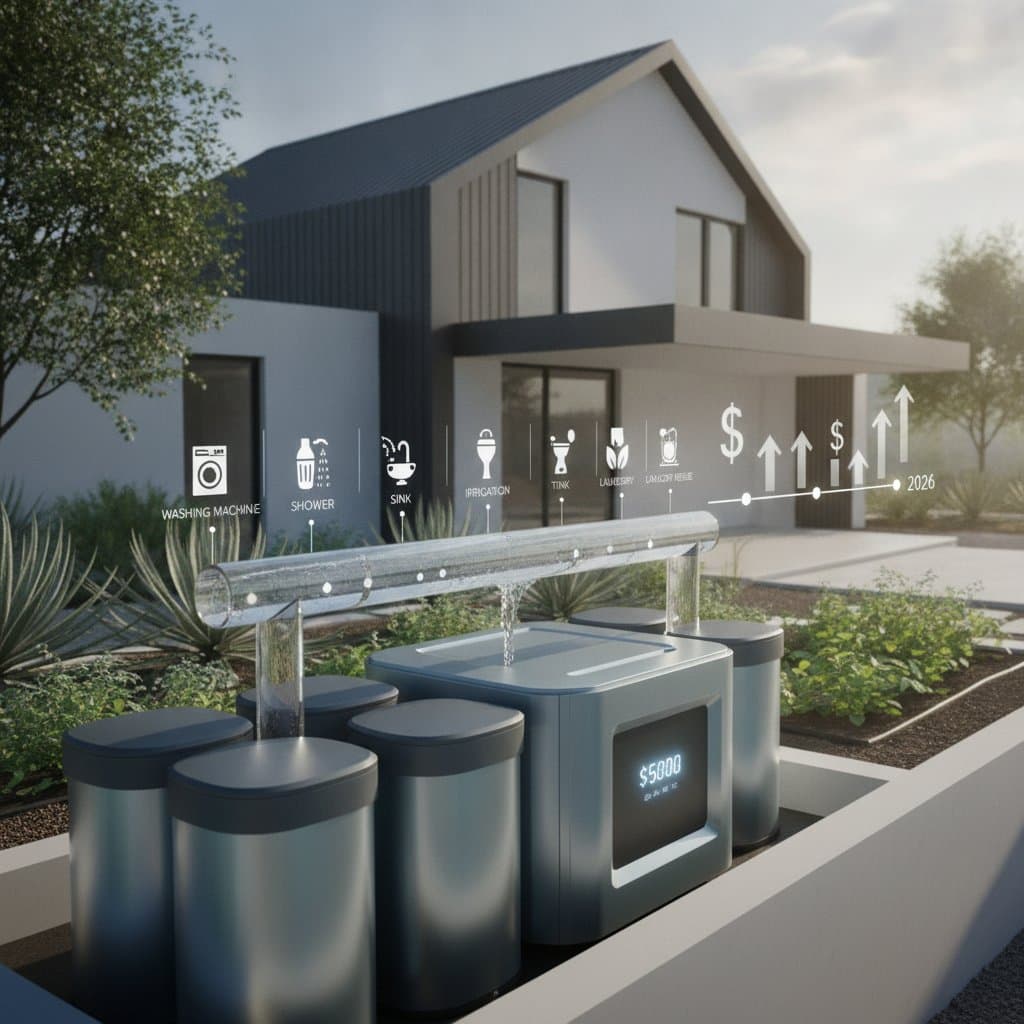
- Identify target fixtures and reuse zones
- Confirm local code requirements and rebate options
- Schedule material orders and contractor availability
- Reserve a modest budget buffer
Sustaining Performance Over Time
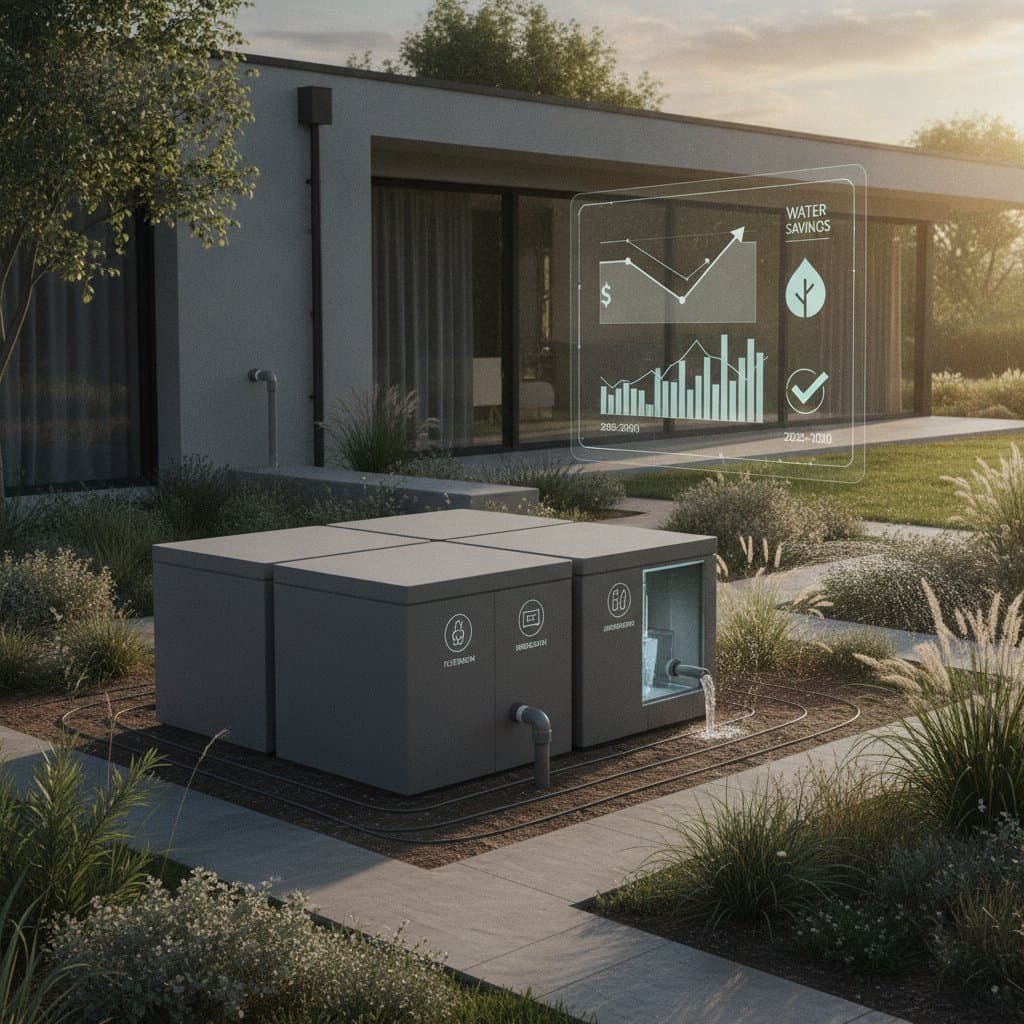
Regular filter service and seasonal line checks keep systems efficient. Consistent operation delivers ongoing bill reductions and supports garden health without extra municipal supply. Homeowners who track usage patterns can fine tune settings for maximum recovery each year.