Attic Insulation: What It Costs and What You Will Save
Upgrading attic insulation improves energy efficiency and home comfort. Homeowners often seek clarity on project expenses and long-term returns. Clear cost details and savings estimates support informed choices whether replacing old material or adding new layers.
Understanding Attic Insulation Costs
Prices depend on attic size, chosen material, and installation method. Planning requires attention to these variables.
DIY Costs
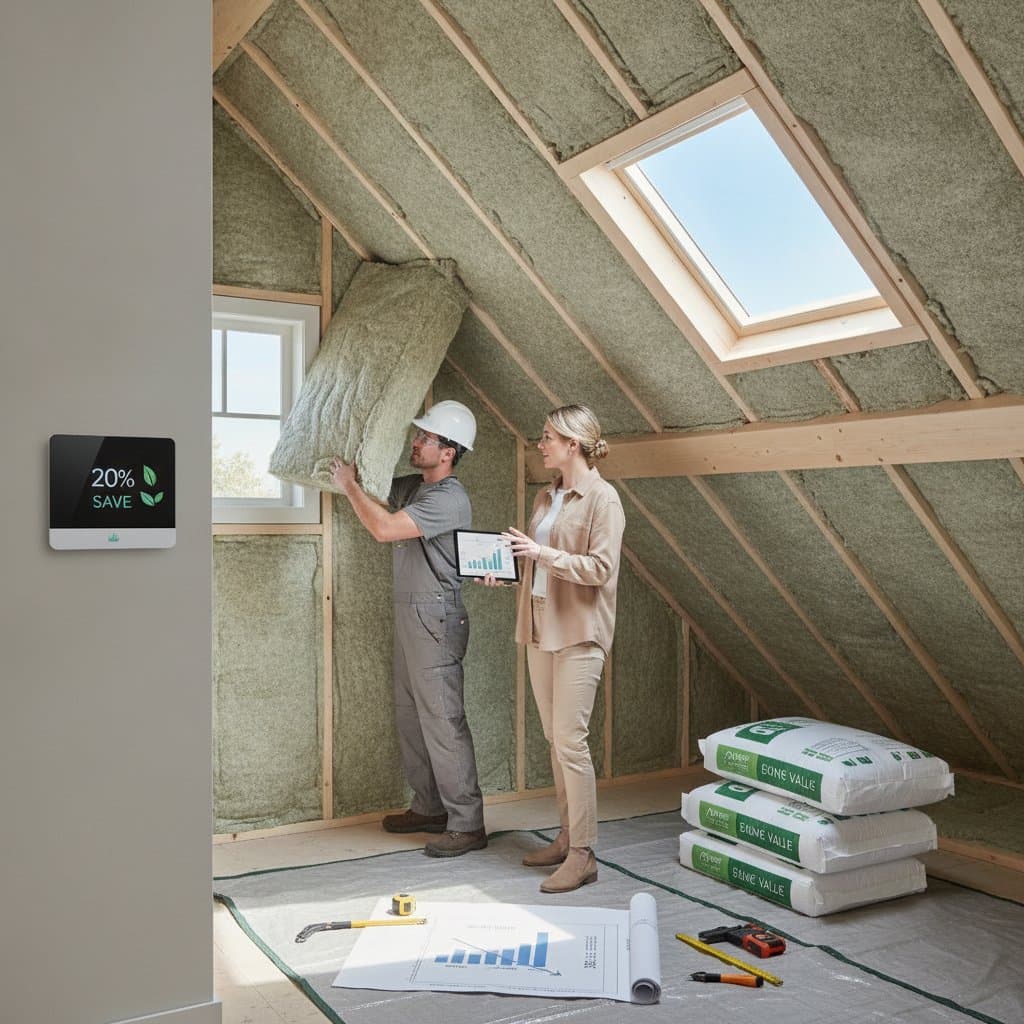
Material expenses range from one to four dollars per square foot. Common options include fiberglass batts for straightforward coverage, blown-in cellulose for irregular spaces, spray foam for tight air seals, and rigid boards for small targeted zones. Renting a blower adds fifty to one hundred dollars daily. Protective equipment and basic tools remain essential.
Professional Service Costs
Contractor rates fall between two and seven dollars per square foot. This covers labor, materials, old insulation removal, and final cleanup. Professionals also seal leaks and verify ventilation to maintain proper R-value.
Factors That Affect Pricing
Attic accessibility, material selection, existing conditions, regional climate, and available rebates all influence totals. Colder zones often require greater thickness. Local utility programs may offset portions of the expense.
DIY vs Professional Installation
The decision rests on experience, schedule, and risk tolerance.
Benefits of DIY
- Lower material outlay
- Control over timing and product choice
Drawbacks of DIY
Improper placement can reduce effectiveness and create safety issues. No performance warranty applies.
Benefits of Professional Installation
Trained crews deliver consistent depth, code compliance, and documented results. Warranties protect the investment.
Drawbacks of Professional Installation
Upfront cost rises and scheduling depends on contractor availability.
Safety and Preparation Steps
Wear long sleeves, gloves, eye protection, and a respirator. Ensure lighting and ventilation before starting. Never cover recessed lights or block vents. Professionals use diagnostic tools to confirm uniform coverage and detect hidden leaks.
Common Questions About Attic Insulation
How much can attic insulation save on energy bills?
Heating and cooling costs can drop by up to twenty percent once proper coverage is in place.
What is the best insulation type for most attics?
Fiberglass and cellulose suit most existing homes. Spray foam provides superior sealing at higher cost.
How long does attic insulation last?
Materials typically perform for fifteen to thirty years before settling or moisture reduces effectiveness.
Do I need to remove old insulation first?
Remove material only when it shows mold, water damage, or pest contamination. Otherwise new layers can be added over existing insulation.
How thick should attic insulation be?
Ten to fourteen inches meets recommendations in most climate zones.
Are there rebates or incentives available?
Utility providers and local programs frequently offer rebates. Contact your energy supplier for current options.
How do I know if my attic is under-insulated?
Uneven room temperatures, noticeable drafts, and elevated utility bills indicate gaps or insufficient depth.
Is attic insulation a good DIY project for beginners?
Fiberglass batts work for those with basic skills. Blown-in and spray foam applications benefit from professional equipment and expertise.
What safety precautions should I take?
Work with a partner, avoid electrical hazards, and dispose of waste according to local guidelines.
Can attic insulation affect indoor air quality?
Proper sealing limits dust and allergen movement between attic and living areas.
Step-by-Step Decision Process
Assess current insulation depth and note comfort issues. Match project scope to personal skills and available time. Compile complete cost estimates that include equipment, disposal, and follow-up repairs. Weigh long-term performance against initial outlay. Select the approach that balances budget, safety, and expected savings.
Maximizing Your Insulation Investment
Schedule the work during mild weather to simplify access. Verify final R-value and ventilation after completion. Track energy use for the next twelve months to confirm projected reductions. Regular visual checks help maintain performance over the full service life.