Solar Shingles: Turning Your Roof Into an Energy Asset
Homeowners seek solar roof shingles for a solution that combines electricity generation with standard roof appearance. These materials replace conventional shingles and produce power without adding bulky equipment. This guide examines installation expenses, savings potential, and timelines for recovering costs.
Installation Expenses and Influencing Elements
Total project costs vary based on roof dimensions, slope, and chosen product line. Pricing occurs per square foot rather than by watt capacity, unlike traditional panels.
Low efficiency options align closely with premium asphalt roofing prices while delivering modest output. High performance shingles command greater initial investment yet yield more electricity and longer service life.
Several elements shape final pricing. Roof size and angle increase labor demands on larger or steeper surfaces. Older electrical systems often require panel upgrades before work begins. Higher efficiency products reduce the area needed for equivalent output. Regional labor rates, permit fees, and average sunlight hours alter both expense and production levels. Available rebates and tax credits lower net outlay for qualifying projects.
Homeowners frequently weigh solar shingles against separate roof replacement plus panel installation. Integrated projects avoid duplicate labor and can reduce overall spending compared with staged work.
Payback Period and Return Drivers
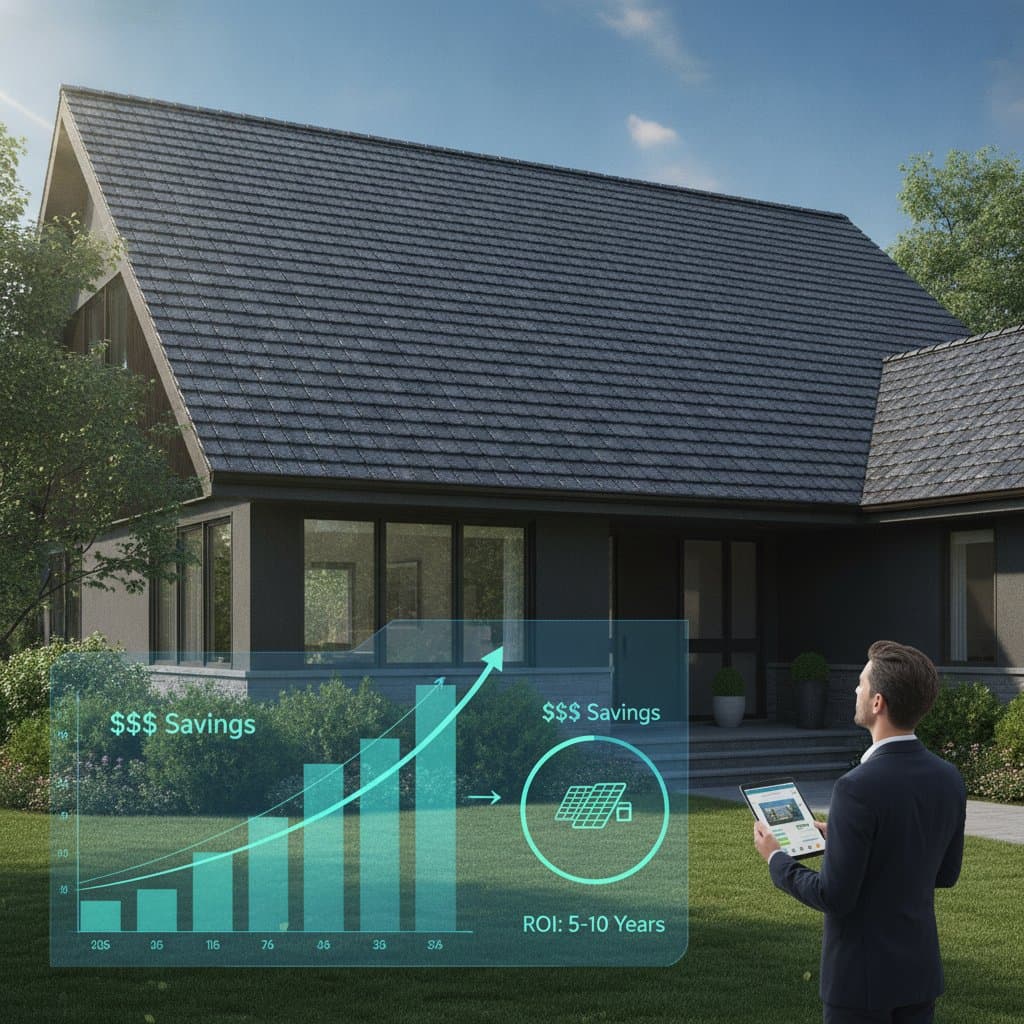
Energy savings accumulate until they offset the net installation cost after incentives. Payback length depends on local electricity rates, system output, and financing terms.
Higher utility prices shorten recovery time because each self generated kilowatt hour carries greater value. Efficient shingles produce more power within limited roof space. Rebates applied at purchase compress the timeline further. Minimal ongoing maintenance supports steady returns once the system operates.
Many installations reach breakeven between seven and twelve years. Properties in sunny climates with strong incentive programs often recover costs sooner. After this point generated electricity incurs no fuel expense and continues throughout the remaining service life.
Selecting and Working With Installers
Proper installation demands certified roofing and electrical skills to maintain waterproofing and system function. Manufacturers typically require approved professionals to validate warranty coverage.
Review installer credentials including state licenses and brand specific training. Request detailed quotes that itemize roofing materials, electrical work, and solar components separately. Ask for recent project references and site photographs. Confirm coverage periods for both product defects and workmanship.
Many qualified firms supply monitoring applications that display real time production data. Homeowners use these tools to verify expected performance levels.
Routine Care and Protection
Solar shingles need only occasional surface cleaning and visual checks. Remove accumulated debris such as leaves or snow to preserve output. Schedule annual professional inspections to catch wiring or inverter concerns early.
Review existing homeowner insurance policies to confirm solar coverage. Add endorsements if gaps appear. Such steps protect the installed value against unforeseen events.
Enduring Property Advantages
Beyond monthly bill reductions, solar shingles support lower household emissions and can raise resale value. Integrated energy systems appeal to buyers seeking modern efficiency features.
Owners planning extended residency gain the largest cumulative benefit. The roof continues producing power well past the initial recovery period and offsets substantial utility costs over decades.