Greywater Systems: What Permits and Setup Really Cost
Greywater systems capture water from showers, sinks, and washing machines for reuse in irrigation or toilet flushing. These setups reduce household water consumption and support sustainable living practices. Property owners gain lower utility bills alongside environmental benefits when systems meet local standards.
Core Components of a Greywater Setup
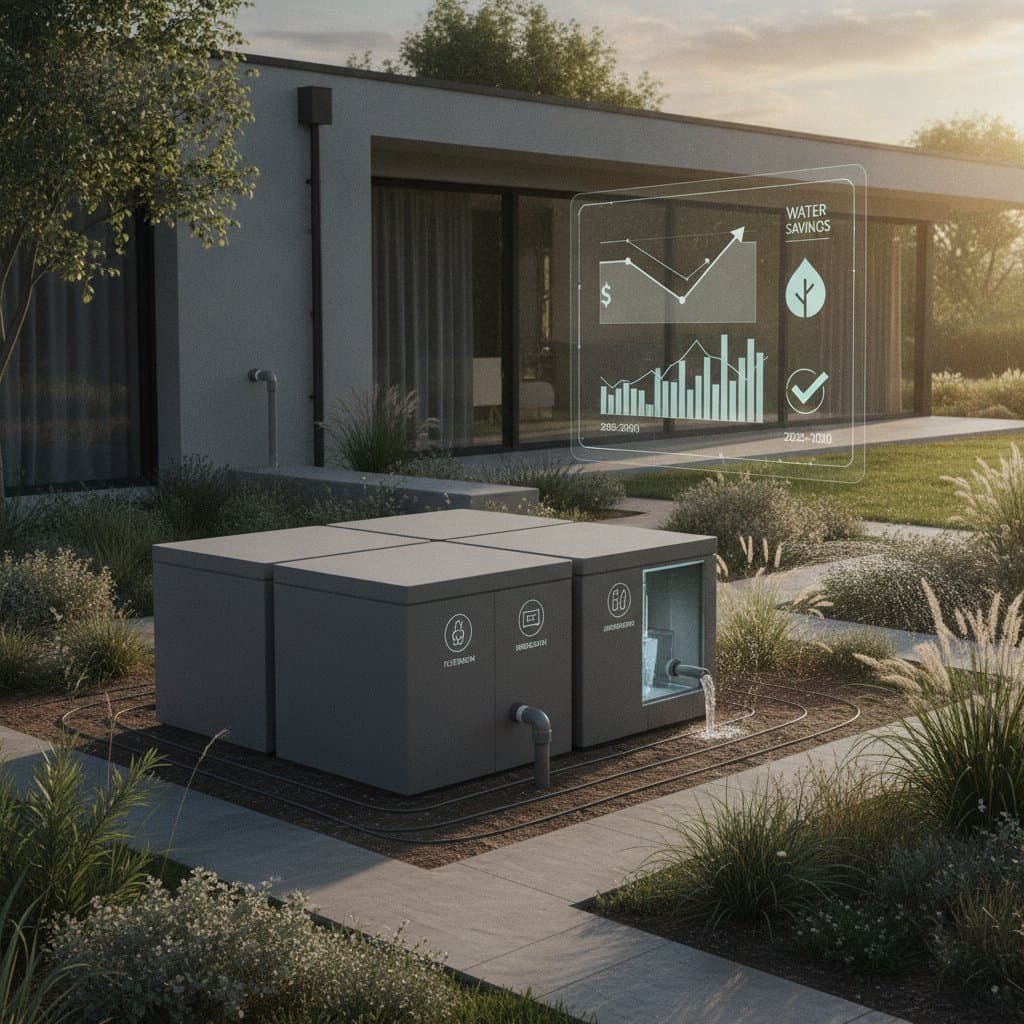
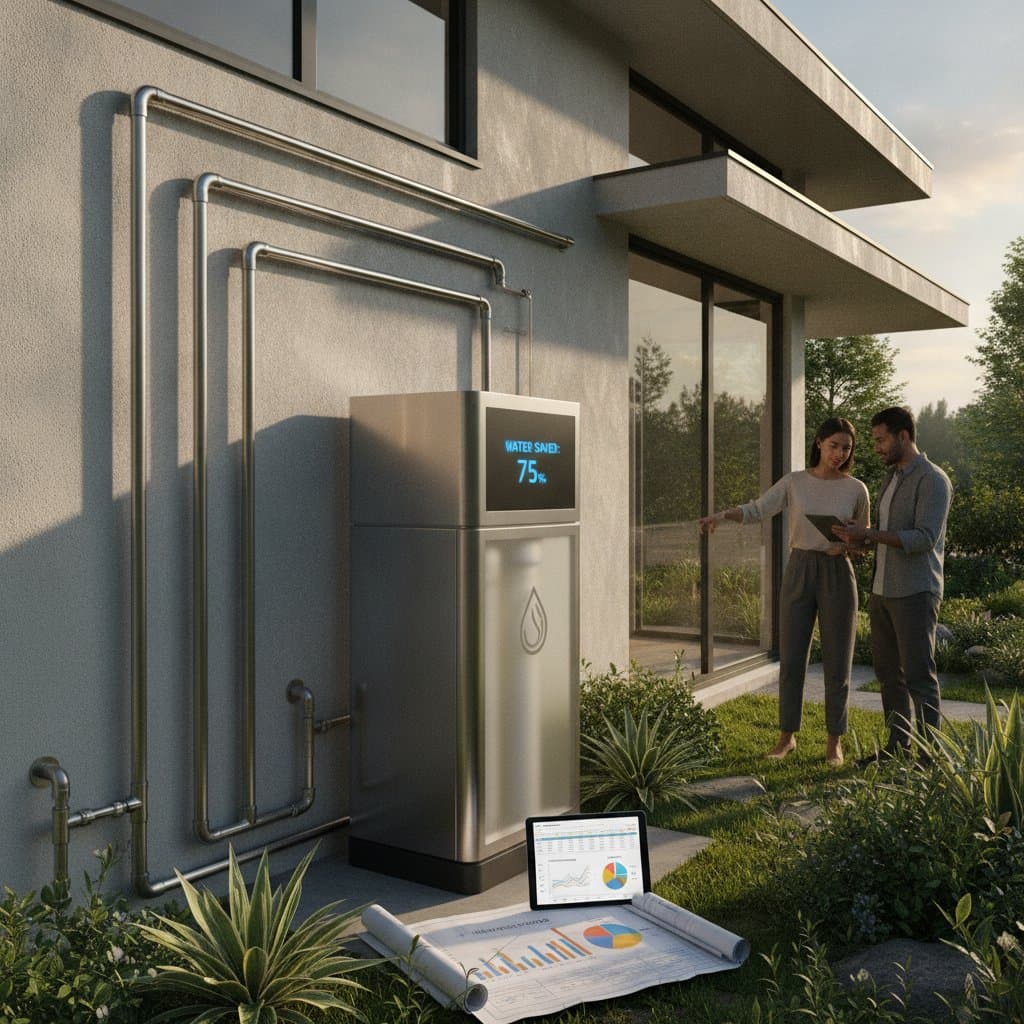
A basic system includes collection pipes, a filter or treatment unit, a storage tank, and distribution lines to garden beds or toilets. Simple branched drain designs route water directly outdoors without pumps. More advanced versions incorporate pumps, disinfection steps, and automated controls for indoor reuse.
Homeowners select designs based on soil type, climate, and intended reuse. Laundry-to-landscape systems prove popular for beginners because they require minimal treatment.
Permit and Code Requirements
Most jurisdictions classify greywater systems as plumbing alterations. Permits ensure proper setbacks from wells, property lines, and buildings. Requirements often specify tank size, filtration methods, and signage for nonpotable water.
Contact the local building department early. Some areas allow permit exemptions for systems under a certain daily volume. Others mandate inspections at multiple stages. Failure to secure permits can result in fines or required removal during property sales.
Installation Cost Breakdown
Material expenses range from 800 dollars for a basic outdoor system to 5000 dollars for a whole-house setup with pumps and filters. Labor adds 1500 to 4000 dollars when professionals handle trenching and connections. Permit fees typically fall between 100 and 600 dollars depending on project scope.
Total project costs average 2500 to 8000 dollars for residential installations. Larger properties or complex indoor reuse push expenses higher. Soil testing and site evaluations contribute an extra 200 to 500 dollars in many regions.
DIY Versus Professional Installation
DIY approaches cut labor costs but demand careful attention to slope, pipe sizing, and backflow prevention. Mistakes lead to odors, clogs, or code violations. Professional installers provide warranties and ensure compliance with health regulations.
Hybrid options exist. Owners complete surface work while licensed plumbers manage connections to the home drainage system. This balance reduces expense while maintaining safety standards.
Maintenance Practices
Filters require monthly cleaning or replacement. Tanks need annual inspection for sediment buildup. Distribution lines benefit from periodic flushing to prevent root intrusion. Proper upkeep extends system life beyond 20 years.
Routine checks also verify that plants receive appropriate water volumes. Overwatering or salt accumulation can damage vegetation and reduce system efficiency.
Available Financial Incentives
Federal tax credits and state rebates offset 20 to 50 percent of installation costs in participating areas. Utility companies sometimes offer additional discounts for verified water savings. Documentation of system performance supports rebate applications.
These incentives improve payback periods to three to seven years through reduced water and sewer charges. Long-term savings continue for the life of the system.
Planning Your Next Steps
Assess household water sources and garden needs before selecting a design. Review local codes and obtain cost estimates from multiple contractors. Secure permits and schedule installation during dry seasons when possible. Track water usage after startup to confirm expected reductions.