Home Battery Storage Costs Fall 40 Percent by 2026
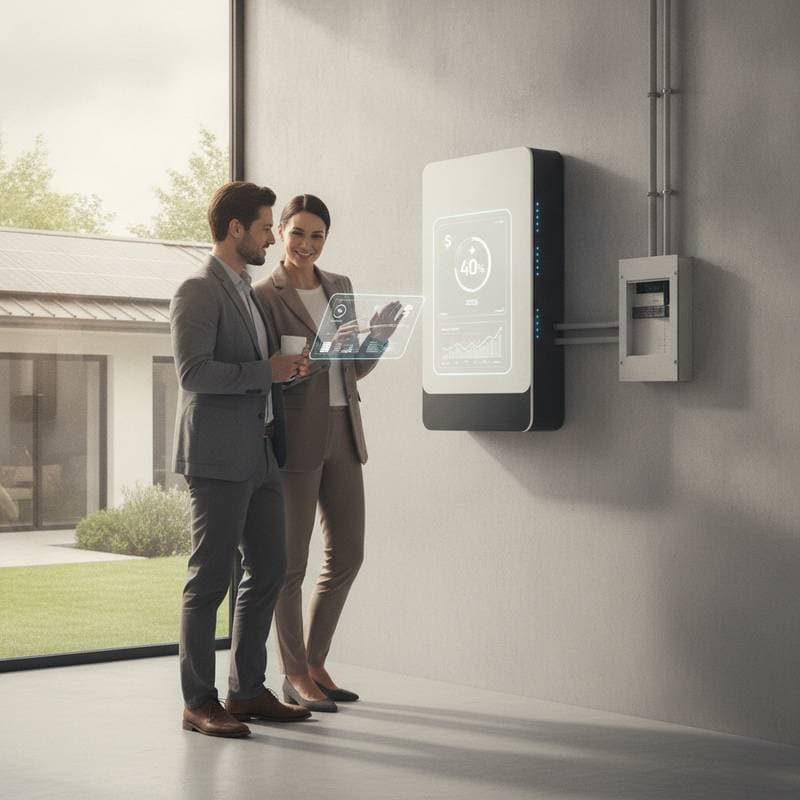
Homeowners planning energy upgrades now face clearer timelines for power wall battery investments. Prices are projected to decline sharply over the next two years. This shift opens new options for reliable backup power and greater grid independence.
Current Price Ranges
Installed systems typically fall between 8000 and 15000 dollars for a single battery unit with 10 to 15 kilowatt hours of capacity. Larger homes or those seeking whole house coverage often require two or more units. Total project costs depend on battery size, electrical panel upgrades, and site conditions.
- Obtain multiple quotes from certified installers to compare equipment and labor charges.
- Verify that the quoted price includes permitting, inspection, and interconnection fees.
- Factor in potential roof or wall reinforcement if the chosen location requires structural work.
Main Drivers of Price Reduction
Manufacturing scale for lithium iron phosphate cells continues to expand. Supply chain improvements and new domestic assembly lines reduce per unit expenses. Competition among established and emerging brands further pressures prices downward.
These trends support the 40 percent drop forecast by late 2026. Buyers who wait may capture lower equipment costs, yet they should weigh the value of immediate resilience against future savings.
Leading Battery Options
Several manufacturers now offer residential products with 10 year warranties and round trip efficiencies above 90 percent. Selection should match daily energy use patterns and available space. Compare cycle life ratings and software features that optimize charging from solar arrays.
Consult product specification sheets for operating temperature ranges and integration with existing inverters. Professional load calculations help determine whether a single battery meets outage protection goals.
Installation Pathways
Homeowners may choose full service contractors or hybrid approaches that combine self wiring with licensed electrical work. Full service contracts provide turnkey permitting and utility coordination. Hybrid paths can lower labor fees when local codes permit owner performed portions of the project.
Schedule a site assessment early. Accurate measurements of available wall space, conduit routes, and main panel capacity prevent later change orders.
Available Incentives
Federal tax credits currently cover 30 percent of qualified battery storage costs when paired with solar generation. Some states and utilities layer additional rebates on top of the federal incentive. Review program rules each year because expiration dates and funding caps change.
Document all expenses carefully. Proper receipts and interconnection agreements support smooth credit claims during tax filing.
Projected Savings and Payback
Reduced electric bills and avoided outage losses form the primary return on investment. Homes with time of use rates or frequent weather related outages see faster payback. Battery systems also increase property value when marketed as whole home resilience upgrades.
Run a personalized savings estimate using 12 months of utility data. Compare the resulting payback period against expected system life to judge long term value.
Deciding on Timing
Monitor manufacturer announcements for confirmed 2026 price points. Lock in current incentives while they remain available. A measured purchase decision balances immediate energy security needs against anticipated cost reductions.