Does Your Home Warranty Cover Sump Pump Failures?
A sump pump protects homes with basements by moving groundwater away from the foundation. Failure of this device can lead to serious flooding and expensive repairs. Home warranty coverage for sump pumps depends on the specific plan selected, the reason for the breakdown, and whether the issue qualifies as normal mechanical wear.
Understanding Sump Pump Coverage in Home Warranties
Home warranties address repair or replacement of systems that fail from regular use. Sump pumps receive coverage in some plans as part of the plumbing system and appear as optional add-ons in others.
What Plans Typically Include
Coverage applies to mechanical failures that occur during ordinary operation. Eligible repairs often encompass motor burnout, float switch malfunctions, electrical faults that stop activation, and defects that reduce water movement. Approved claims cover both labor and replacement parts.
Common Exclusions to Review
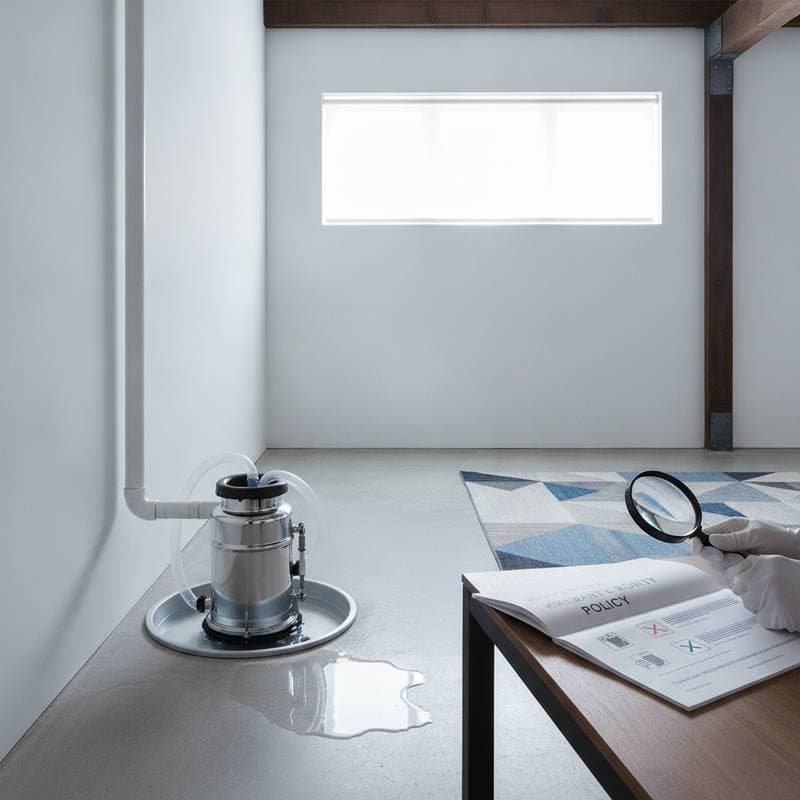
Warranties exclude damage from neglect, incorrect installation, or external events. These exclusions cover power outages, frozen lines, clogged intakes, undersized units, and portable models. Homeowners insurance may address losses from storms or flooding when warranty protection does not apply.
Added Cost for Optional Protection
Adding sump pump coverage increases the annual premium by a modest amount. This expense remains lower than the cost of emergency replacement or basement restoration after water intrusion, especially for properties in low-lying areas.
Choosing Between DIY and Professional Service
Homeowners must decide whether to handle repairs themselves or engage a technician. The decision rests on warranty terms, personal skill, and the nature of the malfunction.
Tasks Suitable for Homeowners
Basic maintenance such as cleaning the intake, testing the float switch, and clearing the discharge pipe can resolve minor issues. These steps require no disassembly of the motor or electrical rewiring.
When Professional Service Is Required
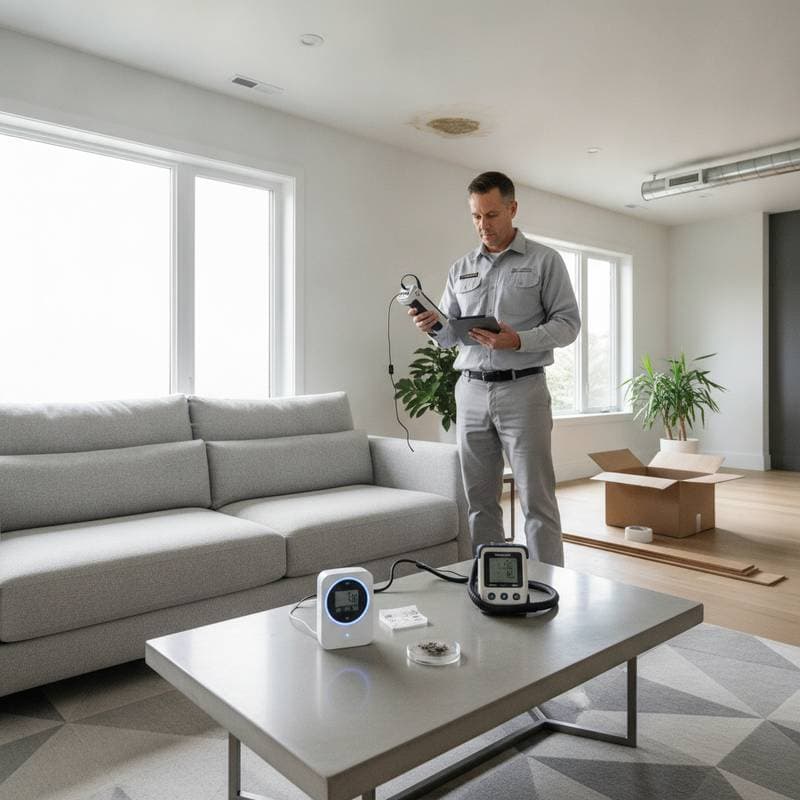
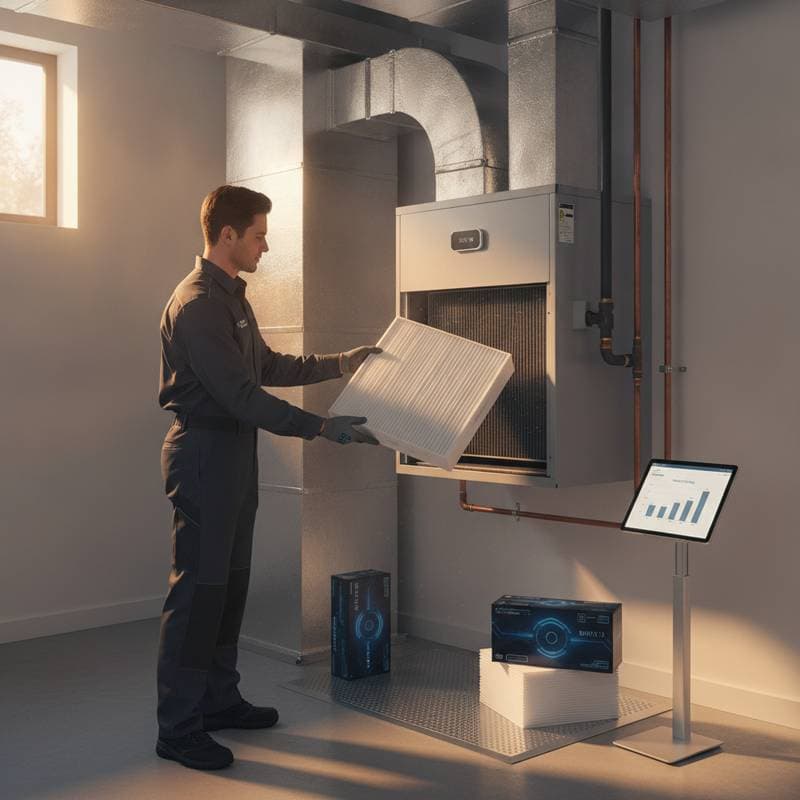
Technicians use diagnostic tools to measure motor performance, inspect valves, and confirm drainage. Their work satisfies warranty documentation requirements and local code standards. Service providers also determine claim eligibility and reduce the risk of denial.
Safety Factors to Consider
Electrical and water systems present shock hazards when power remains connected. Professionals complete repairs faster and limit exposure during wet weather periods.
Answers to Frequent Sump Pump Questions
The following responses address common concerns based on standard warranty practices.
- Replacement occurs when normal wear prevents repair and the unit falls under a covered plan.
- Backup units require separate add-on coverage in most policies.
- Power-related failures receive no coverage, which makes battery backup systems advisable.
- Restoration costs after water damage fall under homeowners insurance rather than warranty plans.
- Regular cleaning and testing remain mandatory to keep claims valid.
- Contact the provider immediately to schedule an approved technician visit.
- Only permanently installed units connected to household plumbing qualify.
- Overload from heavy rain may qualify if the cause is mechanical rather than design limitations.
- Switches, floats, and sensors receive coverage when the main pump is included.
- Upgrades require payment of the price difference above the standard replacement model.
Steps to Evaluate Your Protection Needs
- Determine basement moisture risk based on elevation and water table levels.
- Compare current warranty language with homeowners insurance for overlapping benefits.
- Weigh the premium for added coverage against potential repair and cleanup expenses.
- Confirm that routine maintenance records exist before a claim arises.
Securing Long-Term Basement Protection
Review plan documents each year and schedule professional inspections before wet seasons. This approach reduces unexpected costs and maintains reliable operation of the system that guards against water intrusion.