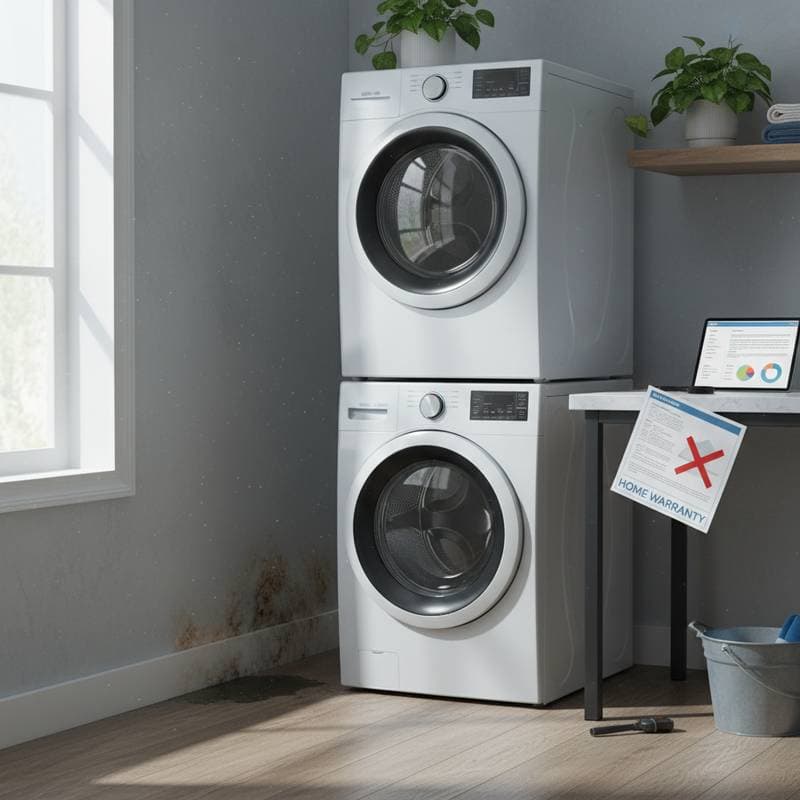
Understanding Mold Coverage Limitations in Home Warranties
Mold growth poses a serious threat to residential structures, often resulting from undetected moisture issues. Homeowners frequently inquire whether their warranty policies address remediation efforts. Although these policies safeguard against numerous system malfunctions, mold presents unique challenges that differ across providers. Knowledge of coverage boundaries enables better financial planning and informed decisions regarding property protection.
Core Components of Home Warranty Protection
Home warranties primarily address the repair or replacement of essential systems and appliances following normal wear. Coverage extends to heating and cooling units, plumbing fixtures, electrical components, and key household devices. Policies activate for breakdowns unrelated to environmental factors such as excess humidity or inadequate airflow.
Mold emerges as a consequence of underlying problems like leaks rather than inherent equipment defects. Providers classify remediation as maintenance responsibility, excluding it from standard plans. For example, in cases where a covered pipe rupture leads to mold, reimbursement applies solely to the plumbing repair, leaving cleanup expenses to the owner.
Scenarios for Potential Mold Reimbursement
Certain advanced warranty options include restricted mold provisions through additional endorsements. These may offset a portion of remediation fees if growth stems directly from a qualifying appliance or plumbing incident. Consider a scenario where a dishwasher hose fails, fostering mold in adjacent cabinetry; the policy could fund the hose replacement and allocate a fixed sum for professional cleanup.
Documentation proves essential to link mold to a covered failure. Claims face denial if origins trace to non-covered sources, including roof penetrations, rising dampness, or ventilation deficiencies. Review policy documents thoroughly and seek explicit confirmation from the provider to clarify inclusion details.
The Financial Impact of Mold Remediation
Addressing mold in confined spaces might cost several hundred dollars, while extensive infestations involving structural elements can exceed thousands. The Environmental Protection Agency advises engaging specialists for areas surpassing ten square feet. Industry estimates indicate average expenditures range from two thousand to six thousand dollars, influenced by damage scope and material involvement.
Expenses intensify with necessities like drywall excision or insulation renewal. Homeowners often anticipate assistance from warranties or insurance, only to encounter rigorous limitations in both. Proactive awareness of these constraints proves vital for budgeting.
Distinguishing Home Warranties from Insurance Policies
Home warranties target operational failures in systems and appliances due to age or usage. In contrast, insurance policies defend against abrupt perils, such as fires or sudden pipe bursts. Some insurance plans reimburse mold efforts if tied to a qualifying sudden event, excluding gradual moisture accumulation or environmental causes.
Combining both protections offers comprehensive safeguarding. Warranties manage routine breakdowns, while insurance addresses peril-induced structural harm. Residents in moisture-prone areas or with aging infrastructure benefit from mold-specific riders or standalone endorsements.
Practical Measures to Minimize Mold Development
Prevention demands consistent attention to environmental controls. Maintain indoor humidity levels under sixty percent through dehumidifier operation and enhanced ventilation in high-moisture zones like bathrooms and kitchens. Conduct routine examinations of plumbing joints and address minor drips promptly to avert escalation.
- Install exhaust fans in moisture-heavy areas to expel humid air.
- Use moisture-absorbing materials in basements and attics.
- Monitor for condensation indicators on surfaces and adjust accordingly.
Annual evaluations of heating, ventilation, and air conditioning systems ensure dryness in ducts and handlers. Such upkeep not only curbs mold but also fulfills provider requirements for claim approvals.
Engaging Specialists for Mold Concerns
Visible mold exceeding a few square feet warrants immediate professional intervention. Persistent musty scents without apparent sources signal concealed growth. Certified remediators assess and eliminate infestations safely, preventing spore dissemination.
Amateur attempts with common cleaners risk incomplete removal and further contamination. Professionals employ specialized equipment to eradicate roots and restore air quality effectively.
Strategies to Protect Your Property Investment
Limited mold provisions in warranties underscore the need for supplementary safeguards. Thorough policy comprehension, selective add-ons, and diligent maintenance collectively diminish vulnerabilities. Implement these approaches to preserve your home's integrity and financial stability against moisture-related threats.