What 2026 Home Warranties Cover for Smart HVAC Systems
Smart HVAC systems form a central element in connected homes. They deliver energy savings along with remote control and performance tracking. When these systems fail, homeowners need clear information on repair coverage under current home warranty plans.
The New Landscape of Home Warranty Coverage
Traditional home warranties addressed mechanical systems such as compressors, fans, coils, and refrigerant lines. Smart HVAC systems introduce additional elements including Wi-Fi modules, digital thermostats, voice assistant integration, and self-learning software. These additions create failure points that older warranty structures often overlook.
Many warranty providers now supply optional smart home coverage add-ons. These extensions protect connected devices and sometimes include software support for updates or calibration problems.
What Smart HVAC Coverage Usually Includes
A home warranty that covers a smart HVAC system addresses both mechanical and digital parts. Coverage details vary by provider, yet most solid plans include the following items:
- Core HVAC components such as compressors, evaporator coils, fans, and capacitors.
- Smart control hardware including thermostats, occupancy sensors, and zoning modules.
- Communication links such as Wi-Fi or Bluetooth modules when failure stems from manufacturer defects.
- Diagnostic support for software or firmware issues in premium plans.
Providers such as American Home Shield and Choice Home Warranty have updated their plans to match the rise in AI-driven heating and cooling systems.
What Is Usually Excluded
Home warranties address normal wear and tear rather than every possible problem. Common exclusions for smart HVAC systems are:
- User-caused damage from misuse, incorrect installation, or physical harm to thermostats.
- Third-party software issues triggered by app updates or external integrations.
- Connectivity failures from power surges or internet outages, which fall under homeowner insurance.
- Cosmetic defects such as scratches or worn buttons.
Review every clause in the contract to identify potential gaps.
Cost Considerations and Plan Options
Monthly costs for full-home coverage range from forty to seventy dollars, with an added five to fifteen dollars for smart home protection. Service call fees typically fall between seventy-five and one hundred twenty-five dollars.
Select a plan based on the digital complexity of the system. Basic smart thermostats may need limited coverage, while fully integrated AI setups benefit from broader protection.
How to File Claims for Smart Systems
Claims for smart HVAC equipment often require extra time because technicians must check both hardware and software. Approval usually occurs within forty-eight hours, yet complex cases may extend further.
Homeowners can speed the process by documenting error codes, retaining purchase receipts, and noting all support interactions.
When Professional Service Is Required
Smart HVAC repairs generally need trained technicians. Incorrect wiring or setup can void coverage. Contact a certified professional when the unit remains under manufacturer warranty.
Simple resets or Wi-Fi reconnections can follow manufacturer instructions. Any task that involves opening the cabinet or altering wiring belongs to licensed experts.
How Manufacturer and Home Warranties Work Together
Manufacturer warranties cover defects for a set period after installation. Home warranties add protection for normal use after that period ends. Combining both sources provides the strongest safeguard.
Extended plans from brands such as Trane or Lennox often require annual maintenance records. Keep service documentation to maintain eligibility.
Steps to Troubleshoot Before Filing a Claim
Perform these checks first:
- Restart the router and thermostat to restore network connections.
- Clean dust from sensors and detectors.
- Apply any available firmware updates.
- Confirm that power switches and breakers are active.
If function does not return, contact the warranty provider with notes on the steps already completed.
Maintenance Requirements for Continued Coverage
Most contracts require annual professional service. Perform these tasks to stay compliant:
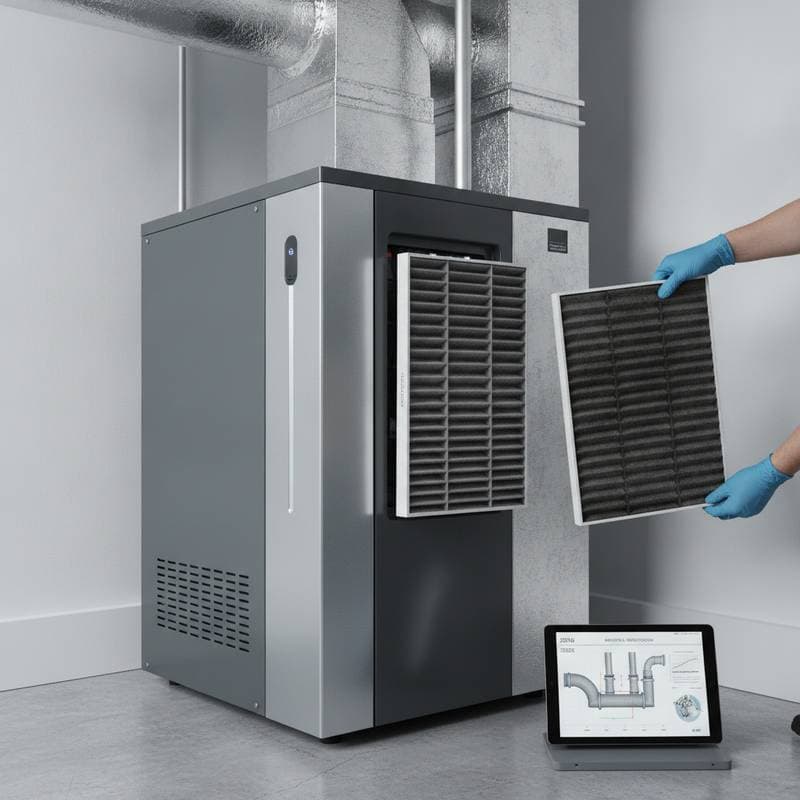
- Replace filters every one to three months.
- Clean vents and ducts regularly.
- Verify thermostat calibration.
- Inspect wiring for corrosion.
- Run built-in diagnostic tests through the system app.
Protecting Your Investment in Smart Climate Control
Surge protectors, timely firmware updates, and seasonal inspections reduce repair risks. Renew or upgrade coverage before expiration to maintain protection at a lower cost than component replacement. Clear knowledge of covered items and claim procedures supports reliable performance without unexpected expenses.