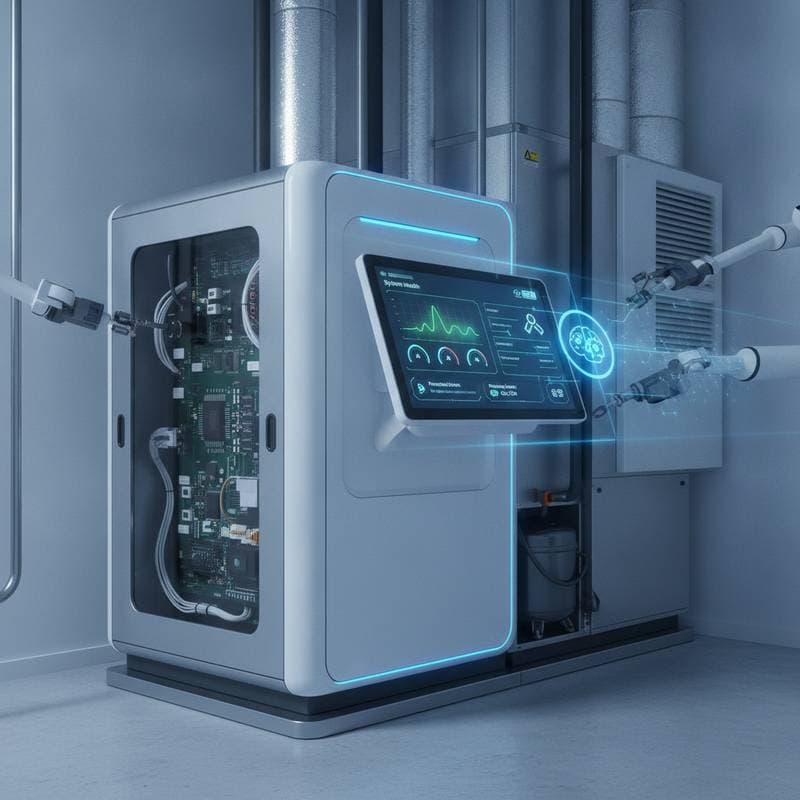
AI HVAC Warranties: Predictive Maintenance Coverage
Homeowners now encounter heating and cooling systems that do more than control temperature. Artificial intelligence improves HVAC performance, efficiency, and reliability. Warranties have evolved to include predictive maintenance coverage. This approach supplies greater confidence, fewer surprise repairs, and clearer insight into long term system health.
AI driven HVAC warranties redefine protection. They predict problems instead of reacting to breakdowns. Homeowners avoid costly repairs, cut energy waste, and lengthen equipment life. The sections below explain how predictive coverage functions, what it contains, and how it differs from traditional warranties.
Understanding AI HVAC Warranty Costs
AI HVAC warranties merge standard protection with diagnostics that rely on smart sensors and predictive analytics. Price depends on system type, monitoring depth, and whether the plan comes from a manufacturer or a third party provider.
Typical Cost Breakdown
Basic AI enabled plans add a modest premium to standard warranties. Owners pay a few hundred dollars more for sensor integration and monitoring tools.
Mid tier predictive coverage supplies real time diagnostics, automated alerts, and remote checks. Fees range from monthly charges to bundled service agreements that cover both maintenance and warranty protection.
Full predictive maintenance programs deliver 24/7 monitoring, data driven replacement schedules, and labor coverage for preemptive repairs. These plans cost more yet often prevent thousands of dollars in emergency breakdowns.
Factors That Affect Pricing
System complexity raises cost when multi zone setups require advanced sensors. Data integration depth increases analysis quality and may lift fees slightly. Service agreements from manufacturers sometimes bundle tools while others list them as upgrades. Heavy usage patterns trigger automatic service adjustments. Energy efficiency features can offset costs through reduced utility bills.
When It Saves Money
Predictive coverage prevents major failures by flagging small inefficiencies early. AI diagnostics identify component wear, blocked airflow, or refrigerant problems before damage spreads. This reduces total repair expenses and extends system life, turning the warranty into an investment rather than a safety net.
DIY versus Professional Service
Many homeowners attempt their own HVAC maintenance to reduce expense. Simple cleaning remains feasible, yet AI integrated systems demand specialized tools, software access, and data interpretation skills.
Benefits and Drawbacks of DIY
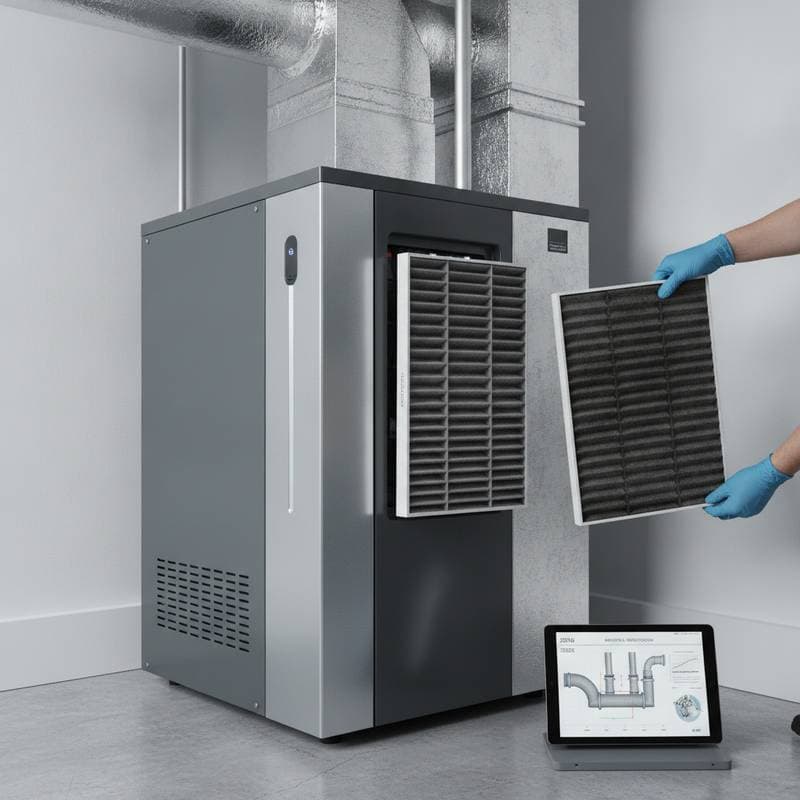
DIY work saves technician fees and builds system knowledge. It suits basic filter changes and visual checks. However, owners lack access to AI diagnostic data and risk voiding warranty terms. They cannot interpret early warning patterns that the predictive system detects.
DIY efforts without professional calibration prevent sensors from collecting accurate data. Calibration errors produce false alerts or missed warnings that lead to larger problems.
Benefits of Hiring Professionals
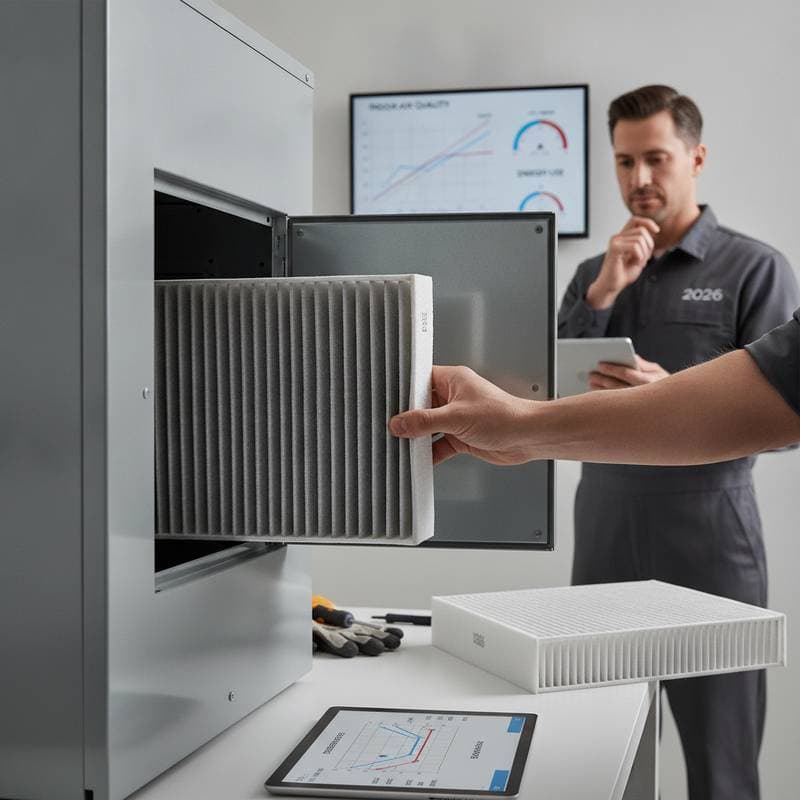
Certified technicians trained on AI systems interpret predictive trends, adjust performance algorithms, replace components before failure, and keep warranty coverage valid. They also use manufacturer tools that verify system health remotely.
Skill Level and Tools Needed for DIY
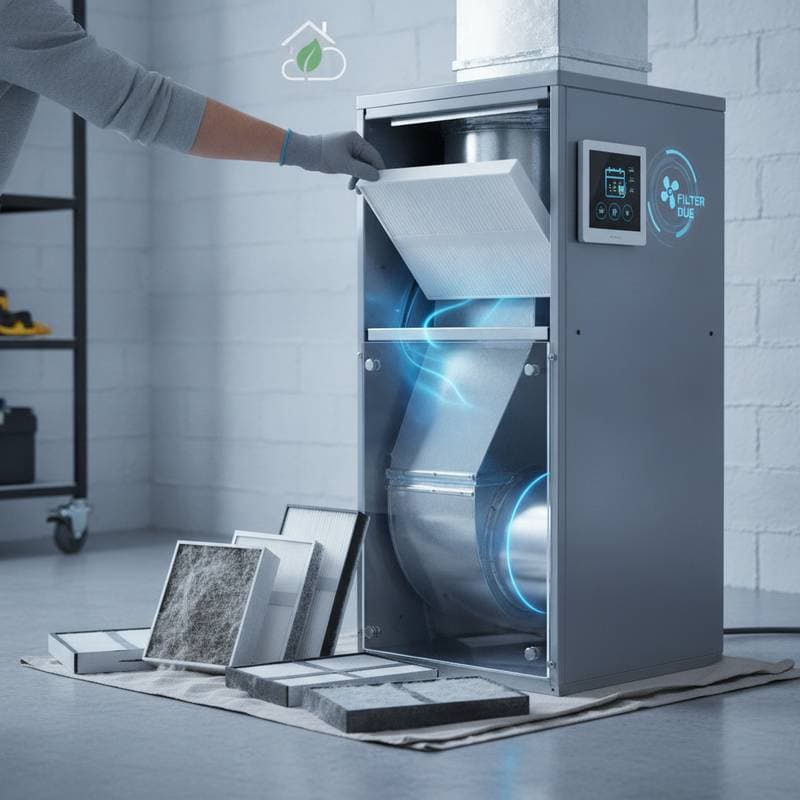
Limited DIY tasks include regular filter replacement, vent clearing, thermostat checks, and app dashboard monitoring. Electrical or refrigerant work must be avoided because incorrect handling disrupts sensor accuracy and voids data driven protection.
Safety and Time Considerations
Predictive warranties reduce emergency repairs, yet safety stays essential. DIY troubleshooting can expose users to electrical circuits, moving parts, or refrigerant leaks. Professional service ensures regulatory compliance and completes assessments faster with diagnostic software.
Common Questions About Predictive Coverage
Predictive maintenance coverage includes continuous monitoring, automatic analysis, and proactive part replacement. The warranty triggers service before failure based on sensor data and AI models.
AI algorithms examine temperature, vibration, and energy patterns. Deviations from normal operation generate alerts that prompt technician visits before breakdowns occur.
Some retrofit modules add predictive monitoring to older units, yet eligibility usually requires factory installed AI sensors. Scheduled inspections remain necessary because AI supplements rather than replaces them.
Monitoring fees appear either inside the plan or as a small monthly subscription. Predictive accuracy depends on sensor quality and model training. Most warranties cover software updates and sensor replacement.
Technician visits stay mandatory at least once per year to validate data and maintain coverage. Transferability varies by provider and can increase home value when coverage moves with the property.
AI monitoring maintains efficient airflow and clean coils, which produces measurable energy savings. Data collection focuses on performance metrics and uses encryption for security. Early issue detection reduces stress on major components and lengthens system life.
Before purchase, request details on coverage limits, monitoring frequency, response times, and software update inclusion. A written outline of service triggers helps clarify expectations.
How to Choose the Right Plan
Selection between standard and predictive coverage depends on comfort priorities, budget, and openness to smart technology.
Assess whether the current system includes smart sensors or a connected thermostat. Upgrades may be required before predictive coverage applies. Hands off owners benefit most from predictive plans while mechanically experienced owners may prefer traditional options.
Calculate monthly fees, energy savings, and avoided emergency costs. Predictive coverage often costs more upfront yet lowers lifetime expenses. Extreme climate regions gain extra value from minimized downtime.
Choose predictive coverage when consistent performance and proactive service matter most. Retain traditional coverage for basic systems or when manual oversight is preferred.
Preparing for Installation or Upgrade
Research providers with proven AI HVAC experience and compare terms, monitoring features, and response protocols. Gather system specifications and site details before work begins. Schedule installation during mild weather to limit comfort disruption. Set aside funds for monitoring fees and any required hardware upgrades.
Ongoing Warranty Maintenance
Respond promptly to AI alerts. Schedule recommended technician visits. Keep filters and vents clean to support accurate data collection. Review system reports regularly to track performance trends and catch gradual changes.