Home Warranty Mold Coverage Essentials
Mold transforms minor moisture issues into major home repair challenges. It proliferates rapidly, erodes structural elements, and presents significant health hazards. Many homeowners assume their home warranty will address such problems, yet mold provisions remain among the least clear aspects of these policies. Grasping the mechanics of coverage, inclusions, and claim preparation safeguards both property and finances.
Understanding Mold Coverage in Home Warranties
Home warranties function as service agreements that address repairs or replacements for key systems and appliances resulting from typical wear. Mold falls into an ambiguous category, typically arising as a consequence of underlying issues like plumbing failures or inadequate airflow. Standard policies generally omit mold removal, though certain plans provide restricted safeguards when mold stems from a protected mechanical malfunction.
Consider a scenario where a leaking water heater fosters mold behind drywall. The warranty could handle the heater repair alongside basic site decontamination. However, if mold develops from chronic high humidity or roof infiltration, responsibility shifts to the owner or their property insurance. Scrutinize policy details meticulously and request explicit clarification on mold exclusions in writing.
How Mold Damage Develops
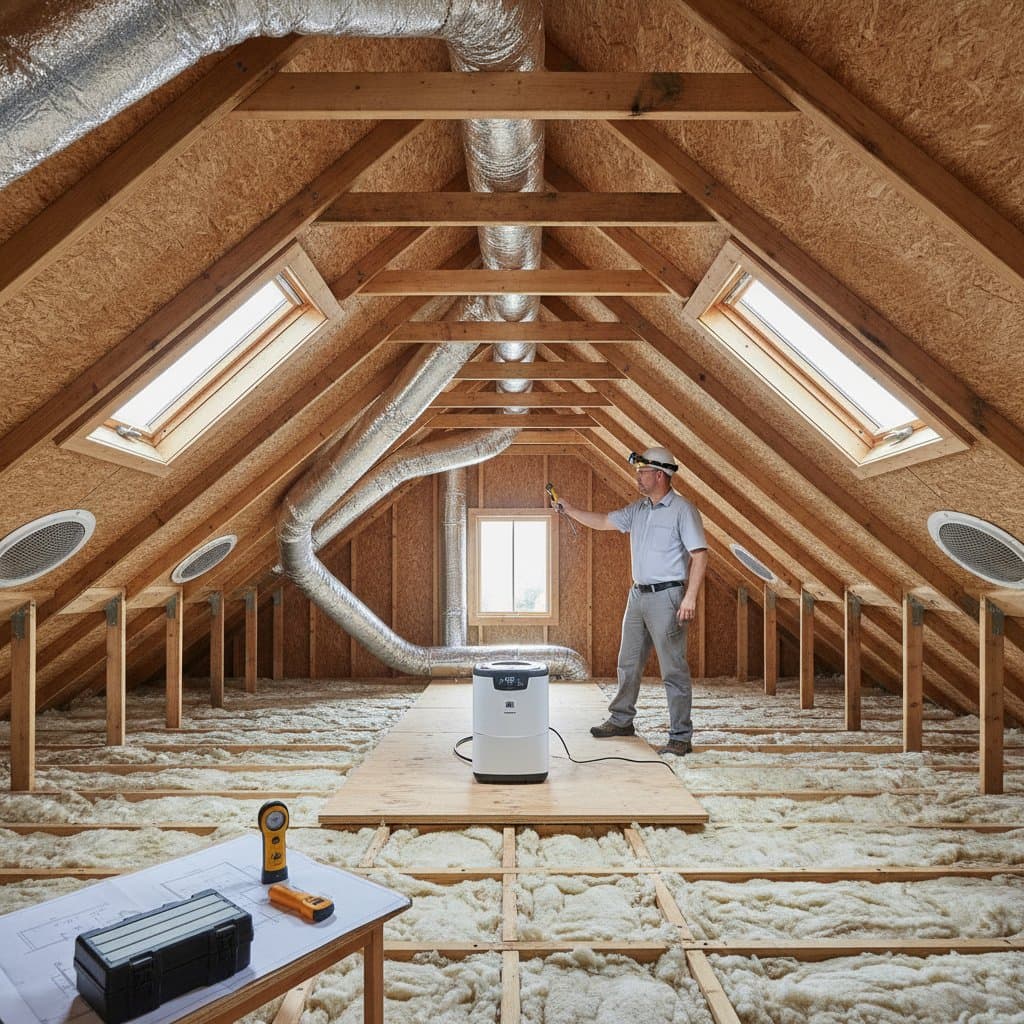
Mold flourishes in moist, shaded areas with limited air circulation. Basements, bathrooms, and attics frequently become hotspots. Moisture infiltrating drywall or insulation enables spore germination in as few as 24 to 48 hours. Untreated, it extends to subfloors, wooden frames, and air ducts.
The Environmental Protection Agency notes that mold growth initiates within 24 hours of water exposure. Homeowner forums often recount overlooked leaks near washing machines that manifest as musty odors or stained surfaces, escalating to remediation expenses in the thousands.
What Most Warranties Cover
Select home warranty issuers provide mold protection as an elective rider. Such options typically encompass:
- Assessment and air quality testing to verify mold linked to a warrantied system breakdown
- Basic removal efforts, frequently limited to $500 or $1,000 per incident
- Substitution of affected parts tied directly to the failed appliance or system
Full-scale structural restoration, personal belongings substitution, or mold from external flooding rarely qualifies. Rain-induced water intrusion, for example, aligns with homeowner's insurance rather than warranty terms.
When evaluating plans, assess caps and stipulations across providers. Seek terms like "consequential damage" or "incidental harm," which outline post-failure mold handling.
When to File a Claim
Initiate a claim immediately upon detecting water intrusion or mold indicators. Delays risk coverage denial. Providers mandate timely reporting upon discovery. Proceed as follows:
- Capture evidence through photographs and a chronological record of the problem's onset.
- Mitigate moisture at the source, such as isolating water lines or deploying fans for drying.
- Notify the warranty administrator with a description of the probable origin.
- Permit an authorized inspector to evaluate and determine coverage eligibility.
Upon approval, the provider dispatches a technician for system fixes and potentially partial mold abatement. For non-covered scenarios, engage a certified remediator or pursue an insurance filing.
The Cost of Mold Remediation
Professional intervention for mold varies from $500 for minor surface treatments to over $5,000 for extensive invasions, per industry benchmarks. Localized cleanups prove more affordable than overhauls of framing or ductwork. HVAC contamination amplifies expenses due to widespread spore distribution.
Anticipate such outlays by establishing a dedicated reserve fund or electing warranty mold riders. Pairing warranties with insurance addendums for mold offers comprehensive shielding against unforeseen burdens.
DIY Prevention and Maintenance Tips
Proactive measures outpace remediation in cost-effectiveness. Consistent upkeep yields substantial benefits. Implement these practices:
- Examine seals beneath fixtures, near lavatories, and appliance bases for drips.
- Clear gutters and extend downspouts to divert runoff from foundations.
- Activate ventilation fans in high-moisture zones like showers and cooking areas.
- Operate dehumidifiers in sublevels during peak humidity periods.
- Caulk openings around entry points to curb interior condensation.
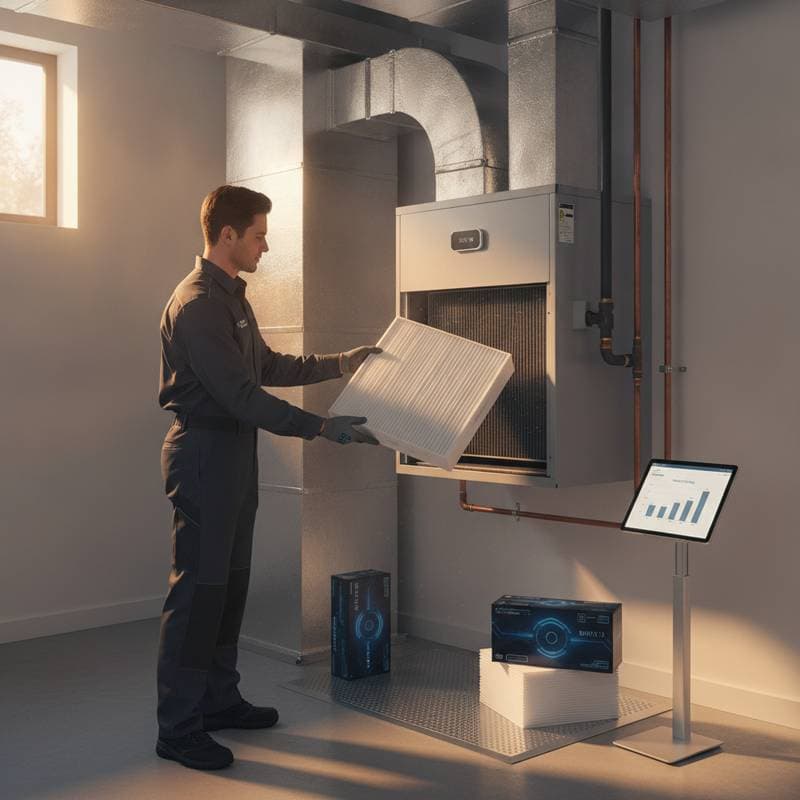
- Swap HVAC filters quarterly to inhibit damp accumulation.
For minor visible growth, scrub with soapy solution and ensure thorough drying. Steer clear of bleach on absorbent surfaces, as residues retain dampness. Don protective gear including respirators and hand coverings during any handling.
When to Call a Professional
Engage experts for infestations exceeding 10 square feet or infiltrating ventilation systems. Trained remediators deploy specialized tools to extract contaminants without dispersal. They identify concealed sources and quantify wall dampness via meters.
Warranty networks frequently collaborate with vetted professionals familiar with claim protocols. Inquire about recommended partners to streamline processes and facilitate billing submissions.
Comparing Warranty and Insurance Coverage
Warranties target operational breakdowns in fixtures and equipment, whereas insurance addresses abrupt perils such as gales or bursts. Both impose mold limitations, though insurance may accommodate broader fixes tied to covered events.
Audit your insurance declarations prior to warranty selection. Duplicative protections inflate premiums, while voids expose vulnerabilities. Retaining dual policies equips owners for routine malfunctions via warranties and catastrophes through insurance.
Safeguarding Your Home Long-Term
Mold provisions in warranties spark ongoing discussions among stakeholders. Variations across policies underscore the need for diligent review and vigilant upkeep. Maintain indoor humidity under 50 percent, address seepages promptly, and conduct yearly audits of water and air systems.
Residents in damp climates or properties prone to infiltration benefit from warranty mold enhancements. Though not exhaustive, these provisions alleviate expenses amid disruptions, preserving home integrity and peace of mind.