Does Your Home Warranty Cover AI HVAC Systems in 2026?
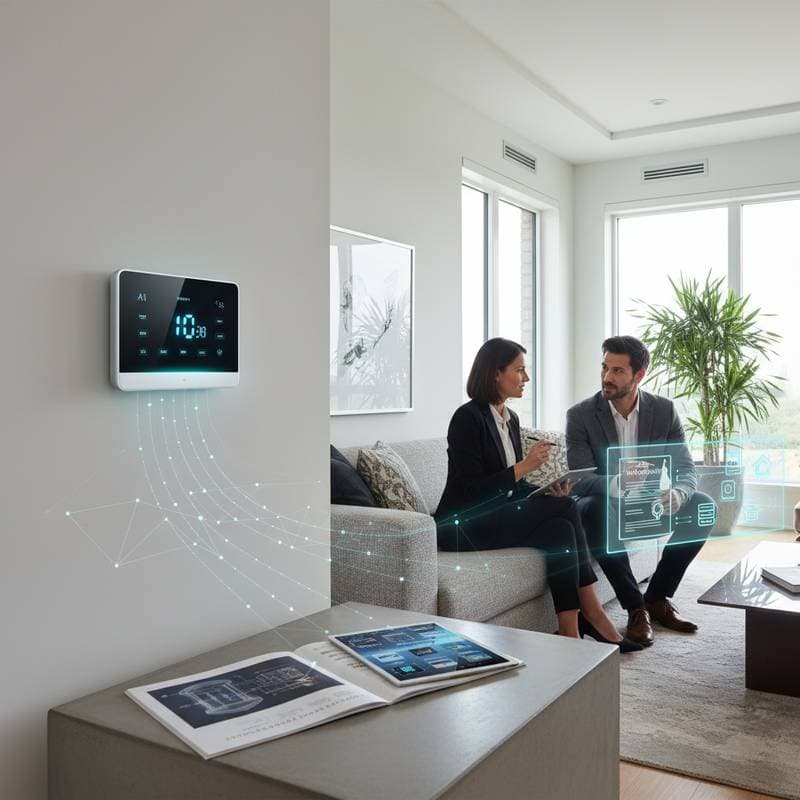
Smart homes continue to evolve, and heating and cooling systems follow the same trend. Artificial intelligence now regulates comfort levels, reduces energy waste, and forecasts maintenance needs ahead of failures. These systems rely on learning algorithms along with connected thermostats that adapt automatically to weather patterns, occupancy levels, and user habits. Homeowners who upgrade must determine whether existing warranties extend to these advanced features.
Coverage gaps often appear when traditional plans meet new technology. This overview clarifies standard inclusions, common exclusions, and practical steps to secure proper protection.
Standard Home Warranty Protections
A home warranty addresses repair or replacement costs for major systems and appliances that fail due to normal wear. Plans differ by provider, yet most address HVAC equipment, electrical wiring, and plumbing components. Smart features add layers of complexity because they incorporate software and data elements.
Mechanical HVAC Elements Typically Covered
- Compressors and condensers
- Evaporator coils
- Blower motors and fans
- Basic thermostats
- Refrigerant lines and wiring
These items represent the physical operation of the system. Advanced controllers, sensors, and software modules usually fall outside default terms.
Reasons Smart Features Face Exclusion
Warranty providers frequently define coverage around mechanical operation alone. Software driven parts require specialized diagnostics that many standard technicians do not perform. As a result, homeowners may face full costs when sensors or firmware require attention.
Key Questions for Your Provider
Contact the warranty company before purchase or renewal to confirm details.
- Does the plan extend to smart or AI components?
- Are software updates and firmware included at any level?
- Does the provider support remote diagnostics for connected systems?
- How do manufacturer warranties interact with the home policy?
- Must the system maintain an active network connection for claims to remain valid?
Record every response and attach it to the policy documents.
Repair Cost Factors
AI equipped systems often involve higher labor rates and specialized software support. Providers adjust premiums accordingly.
Component service costs without coverage range from moderate for sensors to high for compressors. Standard plans cover mechanical items reliably while smart thermostats receive only partial or optional support.
Frequent Claim Denial Triggers
- Third party modifications or custom firmware
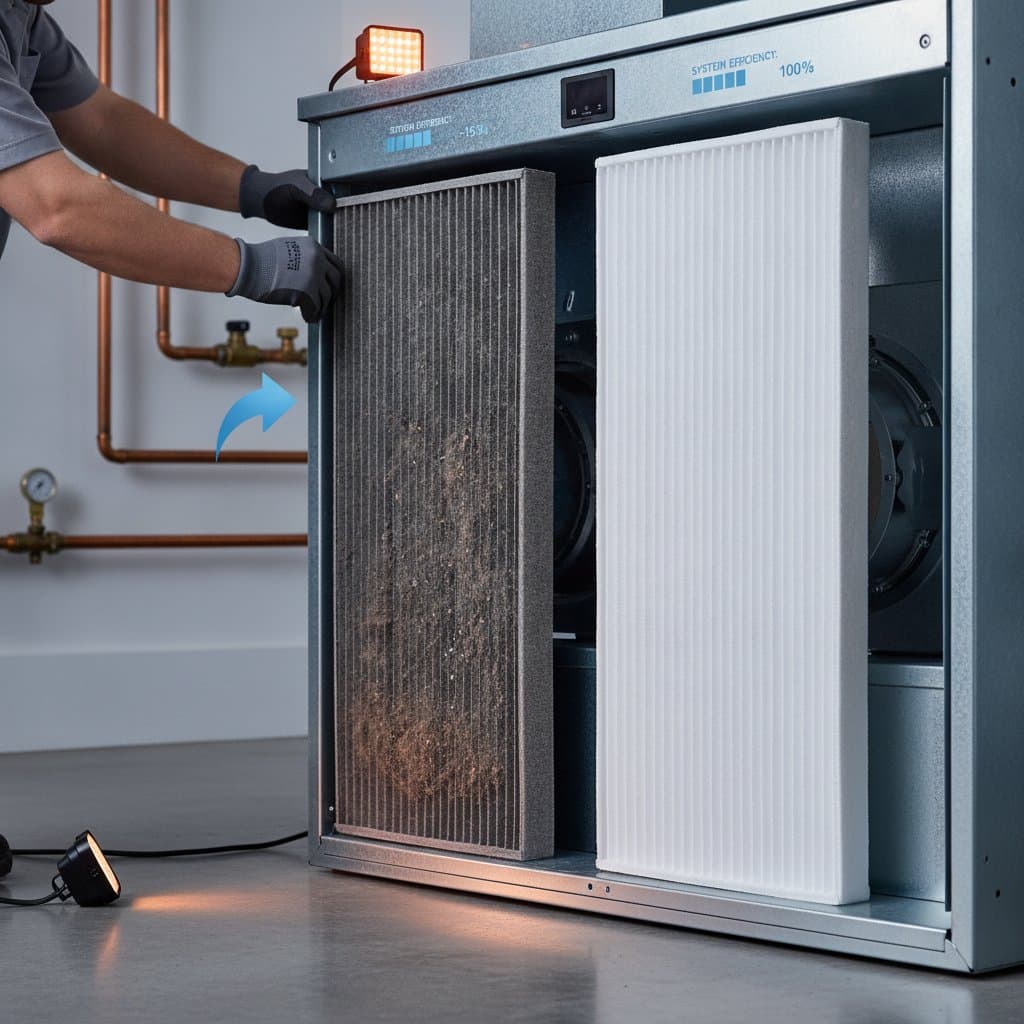
- Missing maintenance logs for filters and updates
- Installation completed without licensed professionals
- Disabled connectivity features that prevent normal operation
Retain all receipts, update confirmations, and system logs to support future claims.
Options to Strengthen Protection
Current plans can be expanded through several routes.
Add optional riders that specifically address sensors, thermostats, and communication modules. Pair the home warranty with the manufacturer service agreement to cover digital functions. Schedule repairs only with technicians certified on AI platforms. Register the system with the manufacturer cloud service and retain proof of registration.
Provider Comparison Points
Evaluate each plan on smart thermostat inclusion, sensor support, software assistance, and rider pricing. Side by side review reveals which providers close the most gaps for intelligent HVAC equipment.
Secure Reliable Climate Control
AI HVAC equipment delivers consistent comfort and lower energy use when properly protected. Review policy language, request targeted upgrades, and combine home and manufacturer coverage to address both hardware and software needs. Maintain organized records so claims proceed without delay.