Is Your Warranty Covering Sewage Ejector Pump Failure?
A sewage ejector pump is one of those basement essentials most homeowners never think about until it stops working. When it fails, wastewater can back up into the basement and create a costly mess. The question of whether a warranty covers that failure depends on installation details, the type of warranty in place, and the specific cause of the breakdown.
How These Pumps Function
A sewage ejector pump moves wastewater from lower-level fixtures such as toilets and laundry sinks up to the main sewer line. It operates inside a sealed basin that collects waste and activates when the water level rises. Most residential models process up to 30 gallons per minute and suit basements or below-grade bathrooms. Typical units range from 0.5 to 1 horsepower with basin diameters of 18 to 30 inches and depths of 24 to 36 inches.
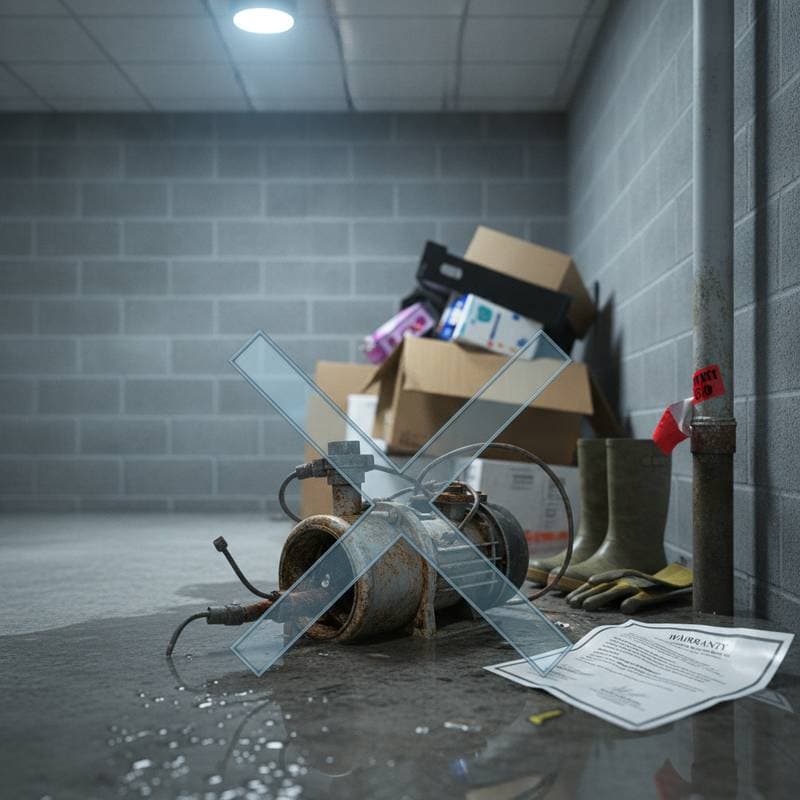
Failure usually stems from clogged impellers, float switch issues, or motor burnout. Identifying the failed component helps determine whether warranty protection applies.
Coverage Under Manufacturer Warranties
A standard manufacturer warranty addresses defects in materials or workmanship. Motor burnout under normal conditions or a housing crack from a production flaw typically qualifies for coverage. Warranties run one to five years and require installation that meets local plumbing codes. Retain the receipt and installation records because approval often hinges on proof of correct setup.
Usually covered:
- Motor failure from manufacturing defects
- Cracked housing or faulty seals
- Float switch malfunction caused by production error
Usually not covered:
- Clogs from wipes, grease, or debris
- Damage from power surges or flooding
- Improper installation or missing check valves
Home Warranty Options
Home warranty plans sometimes treat sewage ejector pump coverage as optional. Some policies include it under plumbing system protection while others require an add-on. Coverage generally pays for repair or replacement when failure results from normal wear. Policies exclude blockages, misuse, and neglect.
Review the policy sections labeled Sump and Sewage Ejector Pumps or Plumbing Systems before filing a claim. Most providers require the pump to remain accessible and properly maintained. A technician who finds no record of service may deny the claim.
Errors That Lead to Claim Denials
Many claims fail because of preventable oversights.
Avoid these pitfalls:
- Ignoring the maintenance schedule. Clean the basin and test the float every six months.
- Skipping a check valve during installation. Backflow can burn out the motor.
- Failing to document repairs or service visits. Maintain a log with dates and receipts.
- Assuming all water damage is covered. Protection usually extends only to the pump itself, not cleanup costs.
Professional Replacement Considerations
Replacing a sewage ejector pump requires electrical wiring, sealed plumbing connections, and venting that complies with local code. Tools needed include a socket set, PVC cement, pipe wrenches, and a voltage tester. Most homeowners hire a licensed plumber to ensure safety and preserve warranty eligibility. Replacement costs typically range from 700 to 1500 dollars including labor and materials.
Steps to Verify Your Coverage
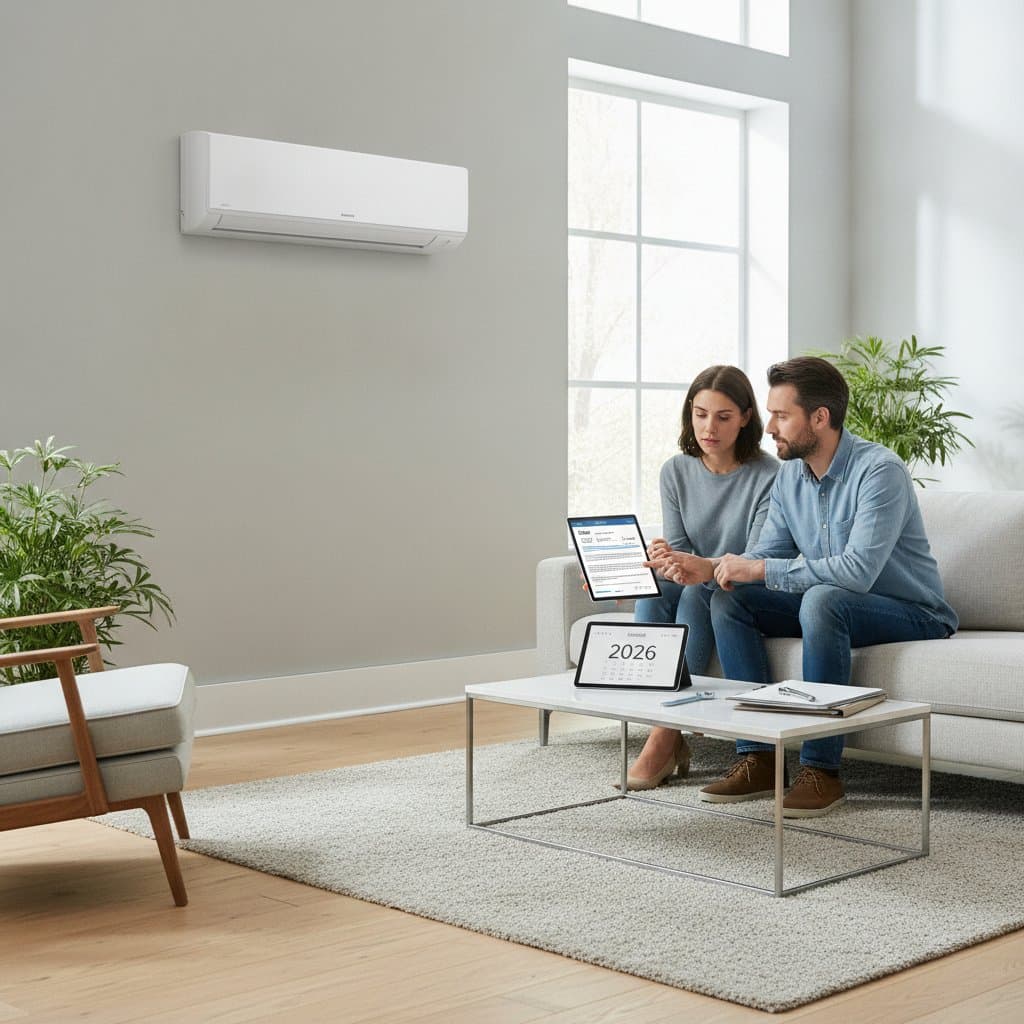
Read both manufacturer and home warranty documents in full. Confirm that installation meets code requirements and that all service records are current. Contact the warranty provider or a licensed plumber with any questions before issues arise. These actions protect the basement from unexpected damage and keep future repair costs under control.